
When a customer walks into a shoe store, the first thing noticed is how the shoes are displayed. A clean shelf with shoes stacked and organized attracts attention. That pause often leads to a purchase. Shelf appeal goes beyond decoration because it guides customers toward making buying decisions. When brands focus on how products look on shelves, customers understand quality and care without touching the product.
A small footwear brand in New York used ordinary packaging and random shelves. Sales stayed steady but not high. After rearranging shelves and using packaging that fit shoes the same products sold faster and more customers noticed them. Presentation matters because people look first and buy later. Organized shelves show the brand cares about customer experience and comfort during shopping.
What Role Does Lighting Play in Shoe Displays?
Lighting can change how shoes look. Proper lighting highlights color, shape and texture. Poor lighting makes shoes appear dull or flat. Stores often use LED lights or spotlights on shelves to show shoes clearly. Good lighting makes customers notice small details, patterns and quality of material without asking the staff.
A boutique with low lighting had slow shoe sales. After adding lights to highlight shoes, more customers stopped and bought shoes. Lighting makes the shelf presentation stronger because customers see products clearly. Correct lighting increases chances for purchase and creates organized displays without extra effort.
How Can Branded Packaging Improve Shelf Appeal?
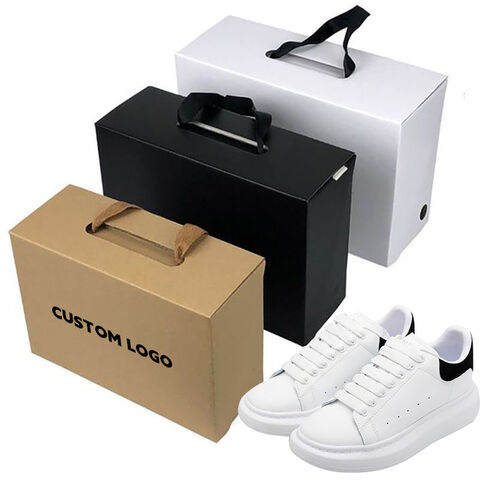
Branded boxes go beyond holding shoes. A box with a logo and quality material increases the perceived value of shoes. Branded boxes make products recognizable and encourage memory of the brand for future purchase. Box itself tells customers the brand pays attention to details.
UPacked provides branded shoe boxes that protect shoes and make shelves look clean. Boxes give a sense of quality and trust before the customer opens the product. Using branded boxes on shelf communicates professional approach and care for the product making the brand more memorable for shoppers.
What are Benefits of Using Custom Shelving Units?
Custom shelves fit shoes and products properly. Unlike normal shelves, custom units hold different sizes, styles and types without clutter. Some brands use angled shelves so customers see shoes better. A shelf with proper space and height allows easy access to shoes.
A startup in Los Angeles used custom shelves for sports shoes. Sales doubled in a few months. Custom shelving makes products visible and encourages interaction because customers can touch, pull or check shoes easily. Proper shelving improves display, reduces confusion and makes shopping faster.
Can Strategic Placement Increase Impulse Purchases?
Eye-level shelves sell faster. Products placed near the checkout counter encourage quick buying. Brands can place new arrivals or popular shoes at the front to attract attention. Correct placement increases the chance of purchase without changing the product.
A footwear brand in the USA moved casual shoes to eye level. Sales increased by 30 percent. Placement is important for visibility because customers see products naturally and consider buying without searching. Correct positioning also highlights seasonal or trending items to encourage multiple purchases.
How Does Consistency in Branding Help Retail Appeal?
Consistency across shelves builds trust. Shoes boxes and displays following the same logo colors and style look organized. Inconsistent branding causes confusion and reduces confidence of customers. Consistent presentation shows brand cares about identity and professionalism. Many brands prefer UPacked for better shoe branding in the retail market.
The global sports brand keeps the same colors and logo across stores. Customers recognize products quickly and feel confident about quality. Consistent visual identity encourages buyers to choose brands repeatedly. The shelf display reflects brand identity clearly.
What Storytelling Techniques Can Enhance Shelf Display?
Shelf can tell a story about product use. Shoes displayed with accessories, sports gear or outfits show customers how the product fits lifestyle. Storytelling helps buyers imagine using products in daily life which encourages purchase.
Stores displaying running shoes with water bottles and gym bags saw customers buying more than shoes. Small storytelling scenes on shelves increase engagement and connection with brands. Customers remember the story and associate it with the product improving the chance of return visits.
How Do Interactive Displays Boost Engagement?
Interactive shelves let customers touch try or check products without asking staff. Pull-out drawers sample shoes or screens showing colors and sizes improve engagement. Interaction increases curiosity and chances of buying.
Some stores use small screens on the shelf to show color options for shoes. Customers check products themselves and feel confident in their choice. Interactive displays make shopping easier and more enjoyable while increasing product visibility and appeal.
Why Should Footwear Brands Consider Custom Boxes?
Brands also sell accessories like socks, lace or sports apparel. Using custom boxes organizes items on the shelf. Boxes are easy to stack and give a clear sense of order. Custom packaging also boosts brand identity across products.
UPacked provides custom apparel boxes that match shoe displays. Boxes make products stand out, simplify shelf arrangement and communicate care in presentation. Well-packed items attract customers and make shelves look organized and ready to sell.
How Can Customer Feedback Influence Shelf Design?
Customer feedback helps improve shelf design. Watching customer movement favorite sections and products that attract more attention helps adjust display. Small changes in height spacing or arrangement increase convenience and encourage purchase. Shoe brands in California used feedback to reorganize shelves. Sales improved after changes. Listening to customers helps brands create displays that match expectations, make shopping easier and guide customers to products they want to buy.