
Food presentation shapes first sight and lasting thought. A well-prepared dish can look better when arranged with care and order. The view of taste starts before bites begin. The look brings trust and interest. Plates can praise skill if design follows balance. Many diners believe what they see before they eat. Bright colors and clear lines can build appeal. Small changes can improve looks fast. Simple steps can change views in any kitchen. A focus on view can build respect for cooking work. The goal is to enhance food presentation with purpose and detail.
Why Does Food Presentation Matter?
Food appearance changes how diners think about taste. Clean plating and careful design can make each bite feel special. People tend to enjoy foods when looks invite attention. Chefs use colors and height for contrast. Each part adds balance and energy to dishes. When food looks neat it shows hard work and respect. A well-presented plate can show freshness and care. Light and space matter too. Too much crowding can distract from quality. In Canada, many cafes now rate success by food photos. Great dishes can travel faster through pictures online. This shows the power of design in dining today.
What Are the Main Rules For Plating?
Good plating starts with order. Each part must have a clear place and size. The middle often draws the eye first so use it wisely. Do not let sauces spill across walls of plates. Choose plate size for portion and style. Use neat tools to keep items in line. Add color through greens or sides that build contrast. Balance light and dark areas to show depth. Avoid heavy lines or messy parts. You can enhance food presentation by keeping depth simple and clear. Practice often helps build speed and control during serving time.
How Can Colors Improve Presentation?
Color guides sight naturally. Dishes look strong when tones blend in harmony. White backdrops highlight food in the best light. Natural items like carrots or berries add sharp contrast. Overuse of dyes can harm mood and taste trust. Keep color natural to build an honest view. Bright shades near darker foods can draw eyes quickly. You can plan color like art without extra cost. Color adds freshness without changing the recipe. When used correctly color variation brings life. Studies show diners feel more joy when food looks lively. This simple rule can enhance food presentation in all kitchens.
How Does Texture Add Appeal?
Texture adds feel to sight. Crunch next to smooth brings surprise and fun to look at. Layers build contrast in both view and structure. Softness can rest next to crisp parts to hold balance. Each surface should differ from nearby parts. Sauces give shine while dry bits draw focus. Do not cover one with too much of another. Keep neat lines between soft and hard parts. Use tongs or spoons for clean space work. Texture helps diners guess flavor mix before bite time. It builds a full view of the plate and enhances trust in dish skill.
How Can Tools Help In Setup?
Proper tools give accuracy during assembly. You do not need costly items to build clean plates. Simple tongs or brushes work fine for detail. Squeeze bottles create thin sauce lines without mess. Cloth napkins help remove small drops from edges fast. Sharp knives make equal cuts that help the pattern shine. Using easy tools saves time and waste. A dry plate always looks better than one with spots. These tools sharpen skill and cut stress when timing is short. Good use of tools helps enhance food presentation for both new and expert hands.
What Role Does Light Play During Serving?
Light gives shape to each part of food. It controls how colors appear. Natural light gives honesty to pictures and sight. Soft indoor light can shape warm looks too. Shadows must stay mild to avoid dark patches. Position plates near clean light for full effect. Overhead beams can flatten texture. Angled light builds depth and wins attention. Each plate gains more life when light fits tones used. White dishes reflect better under even light. Attention to light helps scenes feel true. This makes each view real and can enhance food presentation meaningfully.
How Do Props Or Extras Add To Look?
Props can highlight dish stories. Use basic napkins or small trays for neat lines. Do not let extras steal the main view. Simple tools lift food from plain surfaces. Color in props should match dish mood. Too much detail harms eye focus. Use plain water glasses or wood trays to calm the frame. Simple items build a clean space around hard work on a plate. Try keeping the same theme across each piece in the serving area. Small extras show full effort to diner eyes. Smart props strengthen the story and add charm to each order offered.
Why Should You Focus On Clean Work Areas?
Clean space shapes strong dishes. Mess leads to confusion and lowers quality. A tidy counter keeps parts in order. Dirty spots distract and reduce care level. Wiping plates before delivery avoids bad sight. Removing drops helps colors shine clearly. Fresh cloth for each dish prevents marks. Orderly shelves hold tools in the right place. Fast cleanup after service saves time each turn. Many top chefs teach hygiene to protect taste and view. Clean places give peace and focus during rush. Safe and clean surroundings improve trust and enhance food presentation across all foods.
How Can wrapping Improve Final Impression?
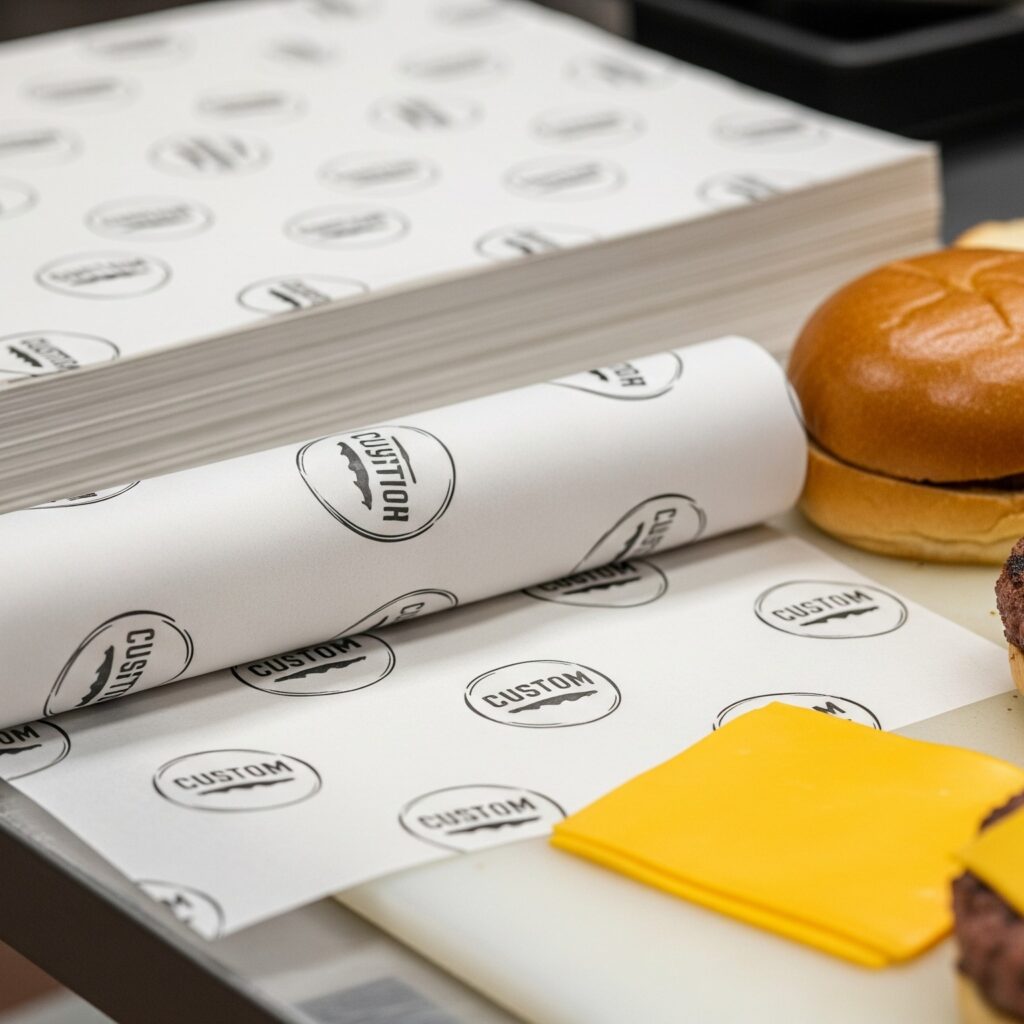
Presentation continues beyond plate. Carryout boxes or wraps must show the same care. Smart design builds a link between brand and diner. Using custom printed paper sheets for branding makes each package unique. This small detail builds memory for future visits. Such designs add clear proof of value. Strong prints and neat cuts show pride in craft. wrapping can match the color of the logo for unity. It keeps identity strong in every sale. This gentle touch can spread reach beyond plate view to collector hands and loyal fans.
What Can A Good Partner Offer Restaurants?
Paper providers can help with setup ideas. WaxPapersHub offers trusted wraps across many spots. They bring neat material for kitchen and packing needs. Quality paper gives clean cover for items. It keeps food fresh for longer periods. Such products meet safety marks and meet service goals. They make the cooking space look neat and skillful. When supply stays steady teams can work smoothly. Reliable support builds speed in busy houses. A stable partner ensures solid growth and solid view. Links like this can make each restaurant improve both speed and strength.
Why Does Material Type Matter?
Material adds value to display. Choosing food paper helps reach a balance of safety and view. It holds grease better and keeps color true. Simple layouts on paper can add polish to the final scene. Neat fold gives shape and note of care. Unfit paper makes plates look low and careless. Paper type must fit food moisture to maintain look. Safe material also respects planet health. Good design can boost repeat orders from loyal buyers. Material choice when joined with design guides brand image forward. Smart use of paper keeps food bright and clean.
What Are Common Mistakes To Avoid?
Too much garnish can confuse viewers. Overfilled plates block texture and lines. Heavy sauces can bury the taste. Colors that mix poorly bring a dull effect. Uneven portions ruin balance seen by first glance. Dirty edges lower the social value of craft. Keep decoration aligned with dish meaning. Avoid fancy extras that hide the main part. Training can stop mistakes early. Small practice trains staff for big events. Many top chefs shoot photos to review balance. Avoiding errors saves time at the last minute. Repetition makes habits clean for each upcoming service day.
How To Train Staff For Visual Skill?
Staff learns by doing. Daily setup shows what works and what fails. Simple rules create steady results for each plate. Senior cooks can check layout for balance. Feedback builds a strong base for all helpers. Hand use must stay steady for neat strokes. Guiding the team with photos helps match results. People recall faster through clear examples. Assign one to watch the final check at the service point. Create a habit of cleaning plates before serving. Reward staff for neat work each shift. Training like this grows speed and pride. Shared goals raise the look of every plate shown.
How Can You Keep Progress Moving Forward?
Learning never ends in any kitchen. Food styles change each season and region. Taste in view moves fast too. Gain skill by reading new trends and trying samples. Keep records of buyer comments on looks. Study which colors gain most likes online. Post photos to review balance across months. Review results and plan small updates first. Clear data can show growth in attention. Track each change and note the effect. Repeat what brings more joy. By active review chefs can enhance food presentation again and again.
Conclusion
Strong plating reflects respect for food and diner alike. Care in view encourages pride among staff. Every plate tells a story of effort and detail. Clean tools, bright light and balanced color build skillful sight. Training brings unity across service rounds. Practice confirms growth and teaches calm methods. A clear plan for view and plate setup builds steady success. When used with care each step can enhance food presentation that earns wide praise.