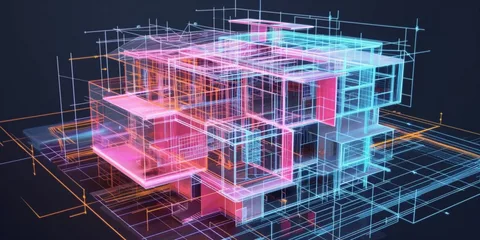

3D architectural rendering services are a modern solution that allows architects, designers, and real estate developers to visualize buildings and spaces before they are built. Unlike traditional 2D drawings, 3D renderings provide a realistic view of a project, showing every detail from textures, lighting, and materials to the surrounding environment. These services are now essential for anyone looking to communicate their design ideas effectively to clients, investors, or construction teams. Architectural visualization has become a vital tool that helps bridge the gap between imagination and reality.
The Importance of 3D Rendering in Architecture
Using 3D architectural rendering has many advantages. First, it helps clients understand the design without needing technical knowledge of blueprints. A detailed 3D rendering can convey the size, scale, and feel of a space in ways that a 2D plan cannot. Architects and designers can present their ideas clearly, allowing clients to make informed decisions. Real estate developers can also use these renderings for marketing purposes, creating realistic images of homes, apartments, or commercial buildings to attract buyers even before construction begins.
Another important benefit is that 3D rendering reduces errors during construction. By visualizing the project beforehand, architects can spot design flaws or inconsistencies early on. This saves both time and money while improving the overall quality of the final project. In addition, photorealistic renderings create a professional and impressive presentation, giving projects a competitive edge in the market.
Types of 3D Architectural Rendering Services
3D rendering services cover various types of visualizations. Exterior rendering focuses on the outside view of a building, including the landscape, streets, and surrounding environment. It is particularly useful for real estate marketing and city planning. Interior rendering, on the other hand, focuses on indoor spaces such as living rooms, offices, and commercial interiors. It helps clients visualize furniture placement, lighting, color schemes, and overall design aesthetics.
Some companies also offer 3D animation and walkthrough services. These create a virtual tour of the building, allowing clients to explore spaces as if they were physically walking through them. Photorealistic renderings provide a high level of realism, making it difficult to distinguish between the rendered image and a real photograph. Conceptual 3D renderings are used during the early stages of a project to communicate ideas and secure approvals from clients or planning authorities.
The Process of 3D Architectural Rendering
The process of creating a 3D architectural rendering begins with understanding the client’s requirements. Designers gather information about the project, including blueprints, sketches, and ideas. Next, a 3D model is created using architectural 3D modeling software. This model includes walls, floors, roofs, furniture, and other elements required for the design.
After the model is complete, textures, materials, and lighting are applied to give the rendering a realistic appearance. Advanced software like 3ds Max, SketchUp, Blender, Lumion, and V-Ray are often used to achieve high-quality results. Once the rendering is complete, post-production techniques may be applied to enhance details, adjust lighting, or improve visual appeal. Finally, the rendered images or videos are presented to the client, and revisions are made if necessary to meet their expectations.
Tools and Software Used in 3D Rendering
Creating high-quality 3D renderings requires the use of advanced software tools. AutoCAD is often used to create accurate architectural plans, which are then imported into rendering software. 3ds Max and Blender are popular for creating detailed 3D models, while Lumion and V-Ray specialize in producing photorealistic renderings. SketchUp is often used for quick concept designs and visualization. These tools allow designers to experiment with lighting, materials, and textures, providing a realistic preview of the final project.
Using these tools effectively requires experience and skill. A professional 3D architectural visualization company knows how to combine these programs to create stunning, accurate renderings. They can adjust every detail to reflect the client’s vision accurately, making the final result both visually appealing and technically correct.
Benefits of Hiring 3D Architectural Rendering Services
Hiring professional 3D architectural rendering services offers several benefits. First, it saves time. Creating physical models or relying on 2D plans can be time-consuming and may not convey the full design accurately. A 3D rendering allows quick modifications and immediate feedback. Second, it saves money. Detecting errors early in the design stage prevents costly changes during construction. Third, it improves communication. Clients, contractors, and stakeholders can all see the same realistic representation, reducing misunderstandings.
These services also enhance marketing efforts. Real estate developers can use rendered images in brochures, websites, and social media campaigns to attract potential buyers. Investors can better understand the project and make informed decisions. Overall, professional 3D rendering services create a clear, precise, and impressive presentation that benefits everyone involved in the project.
Choosing the Right 3D Rendering Company
Selecting the right company for 3D architectural visualization is crucial. Experience, portfolio, software expertise, and delivery time are important factors to consider. Reviewing past projects helps determine the quality of their work and their ability to meet deadlines. Some companies specialize in certain types of rendering, such as interior visualization or photorealistic exterior renderings, so it’s important to choose a provider that matches your project needs. Outsourcing to a skilled company often provides better results than attempting to create renderings in-house, especially for complex projects.
Future Trends in 3D Architectural Rendering
The field of 3D architectural rendering continues to evolve with technology. Real-time rendering allows clients to explore projects interactively, making changes instantly. Virtual reality integration is becoming more common, providing immersive experiences of interior and exterior spaces. AI-assisted rendering is also emerging, which can speed up the rendering process while maintaining high quality. As demand for photorealistic marketing visuals grows, 3D rendering will continue to play a key role in architecture, design, and real estate industries.
Conclusion
3D architectural rendering services have transformed the way architects, designers, and developers present their projects. From realistic exterior and interior visualizations to immersive walkthroughs and photorealistic renderings, these services make it easier to communicate ideas, reduce errors, and impress clients. Using advanced software and skilled professionals ensures accurate, high-quality results that save time and money while enhancing marketing efforts. Whether you are designing a home, office, or commercial project, investing in professional 3D rendering services is a smart decision that brings your vision to life.