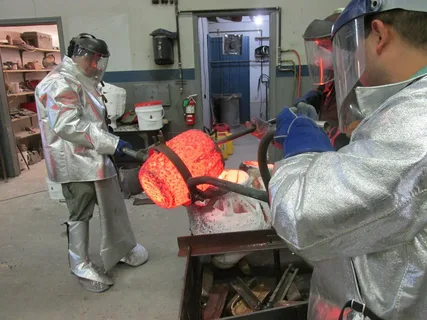

Bronze casting is one of the oldest and most reliable metalworking techniques in human history. From ancient sculptures and architectural elements to modern industrial components, bronze has remained a preferred material due to its strength, durability, and corrosion resistance. Today, bronze casting services play a vital role across multiple industries, offering precision, reliability, and long-term performance. As industries evolve, bronze casting continues to be an essential manufacturing process supporting engineering, construction, marine, and decorative applications worldwide.
Understanding Bronze Casting
Bronze casting is a metal manufacturing process in which molten bronze an alloy primarily composed of copper and tin is poured into a mold to create a desired shape. Once cooled and solidified, the metal forms a strong, corrosion-resistant component suitable for various industrial and artistic applications.
The versatility of bronze makes it ideal for both functional and decorative purposes. Its excellent wear resistance, thermal conductivity, and ability to withstand harsh environments have made bronze a preferred choice in engineering, marine, and architectural industries.
Importance of Bronze Casting in Modern Industries
Bronze casting continues to play a vital role in modern manufacturing due to its exceptional mechanical and chemical properties. Industries rely on bronze components for their durability, resistance to corrosion, and excellent machinability.
Some of the key benefits of bronze casting include:
-
High resistance to corrosion and wear
-
Excellent strength and durability
-
Good thermal and electrical conductivity
-
Superior machinability
-
Long service life
These characteristics make bronze casting an ideal solution for components exposed to heavy loads, friction, and harsh environmental conditions.
Types of Bronze Used in Casting
Different types of bronze alloys are used depending on the application requirements. Each type offers unique properties suited for specific uses:
-
Phosphor Bronze: Known for strength, toughness, and resistance to wear and corrosion.
-
Aluminum Bronze: Offers high strength and excellent corrosion resistance, especially in marine environments.
-
Silicon Bronze: Known for good casting properties and aesthetic appeal.
-
Lead Bronze: Provides excellent lubricating properties for bearings and bushings.
Choosing the right alloy is essential to ensure optimal performance and longevity of the finished product.
Bronze Casting Process Explained
The bronze casting process involves several precise steps to ensure accuracy and quality:
-
Pattern Making: Creating a replica of the desired part to form the mold.
-
Mold Preparation: Using sand or other materials to create a cavity for molten bronze.
-
Melting: Heating bronze alloy to the required temperature.
-
Pouring: Carefully pouring molten metal into the mold.
-
Cooling and Solidification: Allowing the metal to cool and solidify naturally.
-
Finishing: Removing excess material, machining, and surface finishing.
Each step is carefully monitored to maintain consistency and achieve high-quality results.
Applications of Bronze Casting
Bronze casting is widely used across various industries due to its durability and adaptability. Common applications include:
-
Marine components such as propellers, valves, and fittings
-
Bearings, bushings, and gears
-
Pump and valve components
-
Architectural fittings and decorative elements
-
Electrical and mechanical components
These applications highlight the versatility of bronze casting in both functional and aesthetic uses.
Bronze Casting Services for Industrial Applications
Professional bronze casting services offer customized solutions tailored to specific project requirements. From small precision parts to large industrial components, service providers use advanced techniques and quality control measures to ensure consistent performance.
Key features of professional bronze casting services include:
-
Custom mold design and development
-
High-precision casting techniques
-
Strict quality assurance processes
-
Post-casting machining and finishing
-
Compliance with industry standards
Such services ensure reliable, long-lasting components suitable for demanding applications.
Advantages of Professional Bronze Casting Services
Partnering with an experienced bronze casting service provider offers several advantages:
-
Expertise in material selection and design
-
High-quality casting with minimal defects
-
Cost-effective production for small and large batches
-
Enhanced durability and performance
-
Timely delivery and reliable support
These benefits make professional bronze casting services an essential choice for industries requiring precision and consistency.
Quality Control and Testing
Quality control is a critical aspect of bronze casting. Reputable manufacturers follow strict inspection procedures to ensure each casting meets performance standards. This may include dimensional inspection, chemical composition analysis, and non-destructive testing.
Quality assurance ensures that bronze components meet the required specifications and perform reliably in real-world applications.
Sustainability and Environmental Considerations
Bronze casting is also an environmentally responsible manufacturing process. Bronze is highly recyclable, allowing scrap material to be reused without compromising quality. This reduces waste and conserves natural resources, making bronze casting a sustainable manufacturing solution.
Modern foundries also implement energy-efficient processes and environmentally responsible practices to minimize their ecological footprint.
Choosing the Right Bronze Casting Partner
Selecting the right bronze casting service provider is crucial for project success. A reliable partner offers technical expertise, advanced facilities, and a commitment to quality. When choosing a provider, consider factors such as experience, certifications, production capabilities, and customer support.
A trusted casting partner ensures consistent quality, timely delivery, and long-term reliability.
Conclusion
Bronze casting remains one of the most reliable and versatile manufacturing processes, serving a wide range of industries with durable and high-performance components. Through advanced techniques, skilled craftsmanship, and strict quality control, modern bronze casting services deliver solutions that meet the evolving needs of industrial applications.
As industries continue to demand strength, precision, and durability, bronze casting will remain a cornerstone of manufacturing excellence. By choosing professional and experienced casting services, businesses can ensure superior performance, longevity, and value in every component produced.