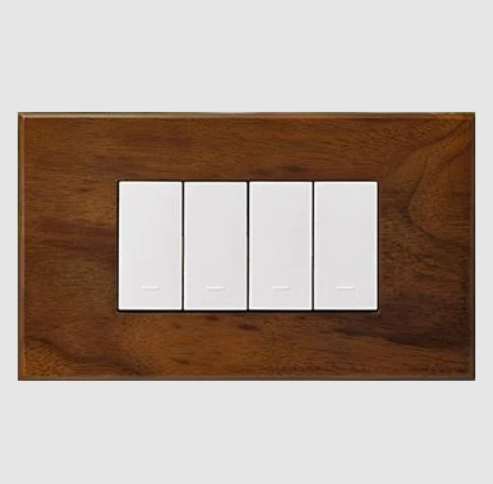

Electrical safety and convenience are vital in any modern home. One of the most frequently used yet often overlooked components in home wiring is switch sockets. These devices not only control the flow of electricity but also provide access points for electrical appliances via electric plug sockets. Choosing the right types of switches and sockets can enhance safety, improve efficiency, and elevate the aesthetics of your home.
This guide provides a comprehensive overview of selecting, installing, and maintaining switch sockets and electric plug sockets, helping homeowners make informed decisions for a secure and functional electrical setup.
Understanding Switch Sockets and Electric Plug Sockets
Switch Sockets
Switch sockets are devices that allow users to control the flow of electricity to lights, fans, or appliances. They act as on/off points, helping prevent electrical hazards while allowing convenience in daily use. Modern switch sockets come in various designs, materials, and functionalities, such as single-pole switches, double switches, and smart switches that integrate with home automation systems.
Electric Plug Sockets
An electric plug socket provides a connection point to draw power for appliances like refrigerators, televisions, laptops, and kitchen devices. Different plug types accommodate various appliances and electrical standards. High-quality sockets ensure reliable power delivery, prevent overheating, and reduce the risk of electrical fires.
Together, switch sockets and electric plug sockets form the backbone of a home’s electrical distribution system, making proper selection and installation crucial.
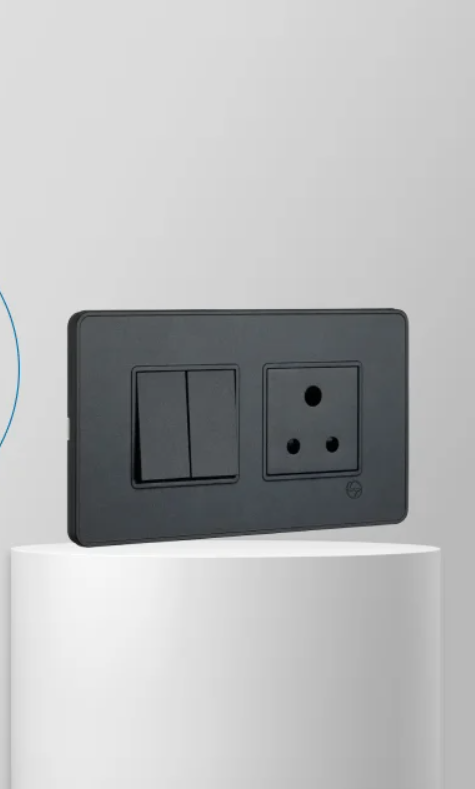
Key Factors to Consider When Choosing Switch Sockets
- Safety Standards
Safety should be the top priority when selecting switch sockets. Look for devices that comply with recognized safety standards such as ISI, CE, or IEC certifications. These standards ensure the socket’s design and materials can withstand normal electrical loads and provide protection against short circuits, overloads, and electrical shocks.
- Material Quality
Switches and sockets are made from various materials. Opt for high-quality, fire-retardant plastic or polycarbonate materials for the front plates. Copper or brass components inside the socket enhance conductivity and reduce heat generation. Investing in durable materials ensures longevity and reduces maintenance costs.
- Type and Functionality
Consider the functionality required in your home:
- Single-Pole Switch: Controls one light or appliance
- Double or Triple Switch: Controls multiple lights from a single location
- Intermediate Switch: Allows control from multiple locations
- Smart Switch: Integrates with Wi-Fi, voice assistants, and home automation systems
For electric plug sockets, consider the number of points you need, whether you require USB charging ports, and if you want modular designs for future upgrades.
- Load Capacity
Check the voltage and current rating of switch sockets and electric plug sockets. Residential sockets typically handle 6A to 16A, depending on appliance needs. Installing underrated switches or sockets can lead to overheating, short circuits, and potential fire hazards. Ensure compatibility with high-power devices such as air conditioners or ovens.
- Aesthetic Appeal
Modern homes demand functional and stylish solutions. Switch and socket designs vary in color, shape, finish, and panel material. Choose designs that complement your interior décor while maintaining functionality. Many brands now offer sleek, minimalist options that blend seamlessly into walls, enhancing the overall look of your home.
- Ease of Installation
Select switches and sockets that are easy to install. Modular designs with standardized sizes simplify wiring and maintenance. For homeowners opting for DIY installations, clearly labeled terminals and detailed instruction manuals are essential. Professional installation is recommended for complex systems, especially smart switches or high-current sockets.
- Durability and Maintenance
High-quality switches and sockets can last many years with minimal maintenance. Look for corrosion-resistant metals, impact-resistant plastic, and robust internal components. Avoid low-cost options that may degrade quickly, fail under high loads, or pose safety risks.
Types of Switch Sockets for Modern Homes
Modern homes require a mix of switch sockets to accommodate lighting, fans, appliances, and smart devices. Common types include:
- Modular Switch Sockets
These are customizable and allow homeowners to combine switches, plug points, USB ports, and networking sockets in a single frame. Modular systems offer flexibility and easy upgrades in the future.
- Smart Switches
Smart switch & sockets connect to Wi-Fi or home automation hubs, enabling remote control via mobile apps or voice commands. They provide energy-saving features, scheduling options, and integration with security systems.
- USB Integrated Sockets
Many electric plug sockets now include USB ports for charging smartphones, tablets, and other devices without adapters. This reduces clutter and provides convenient charging points.
- High-Power Sockets
Specialized electric plug sockets are designed to handle high-current appliances such as water heaters, air conditioners, or ovens. They typically include heavy-duty internal contacts and sometimes integrated circuit protection.
- Decorative and Designer Sockets
These focus on aesthetics while maintaining functionality. They come in various finishes such as metallic, matte, or glossy, adding elegance to living spaces.
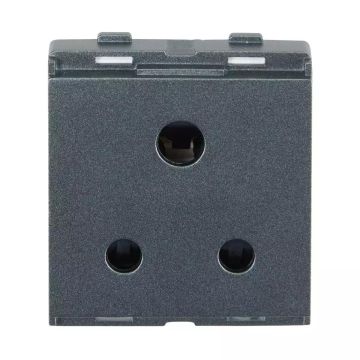
Installation Tips for Switch Sockets and Electric Plug Sockets
Proper installation ensures safety, functionality, and durability:
- Turn Off Main Power: Always switch off the main circuit breaker before installation.
- Use Correct Wiring: Use wires with adequate gauge to handle the electrical load. Typically, 1.5 mm² for lighting and 2.5 mm² for power outlets.
- Check Polarity: Ensure correct connections for live, neutral, and earth wires. Incorrect wiring can damage appliances and pose safety risks.
- Mount Securely: Fix switches and sockets firmly to the wall to avoid loose connections or accidental dislodging.
- Test After Installation: Verify that all switches control the correct devices and all sockets deliver proper voltage.
- Professional Help: For complex systems, high-current sockets, or smart switches, hire a licensed electrician.
Maintenance Tips for Longevity
Regular maintenance enhances safety and extends the life of your switches and sockets:
- Inspect for loose connections or burn marks.
- Clean with a dry cloth to remove dust.
- Avoid exposure to water or moisture.
- Replace damaged or worn-out sockets immediately.
- Ensure high-current devices use dedicated sockets.
Routine checks prevent hazards and ensure the uninterrupted operation of your home’s electrical system.
Conclusion
Selecting the right switch sockets and electric plug sockets is crucial for the safety, functionality, and aesthetics of your home. Consider factors such as safety standards, material quality, load capacity, compatibility, and modern features like USB ports or smart controls. Proper installation and regular maintenance further enhance the longevity and reliability of these essential electrical components.
For homeowners seeking high-quality, durable, and safe electrical solutions, Lauritz Knudsen Electrical and Automation provides trusted switch sockets and electric plug sockets that combine efficiency, safety, and modern design for every home.
