
Takeout food safety practices are critical for every restaurant to follow well. When you prepare food for takeout, you face risks from handling, storing, and transporting food. Customers expect their food to be clean and safe at delivery. Poor safety can cause illness and damage your restaurant’s reputation. Following clear rules for cleanliness, temperature control, and wrapping stops contamination. It also keeps your customers happy and healthy. Learning about these practices helps you avoid mistakes that cost money and hurt your brand. This guide explains why proper takeout food safety practices matter. It offers straightforward ways to apply strong safety steps every day in your restaurant.
What Are Key Risks in Takeout Food Handling?
One main point of risk is contamination in the wrapping and delivery process. You can spread germs by handling food with dirty hands or utensils. Harmful bacteria also grow in food that is left out too long at an unsafe temperature. Cross-contamination is when you allow raw and cooked foods to come into contact. Air or moisture penetration in wrapping may result in spoilage. You have to be very careful about every step, to avoid these perils. Clean hands, surfaces and utensils and use new ones for each step. Hot foods should be kept hot and cold foods kept cold. You know and you can control the risks as they exist in your environment, in handling the takeout.
How Does Temperature Control Affect Food Safety?
Temperature control keeps food from developing harmful bacteria. Hot foods should be held at 140°F (60°C) or above. Cold foods should be held at 40°F (4.4°C) or below. Bacteria multiply rapidly when food is allowed to sit in this temperature range. Check food with such utensils as thermometers frequently. The slower food cools or heats, the greater the safety risk. Keep hot food hot in warming trays or thermal bags. Keep cold food cold with the use of refrigerators or ice chests. Temperature control is an easy to do, but important aspect of safe takeout service. Adhere to this rule to ensure the safety of food from the kitchen to the customer.
Why Is Proper Wrapping Important?
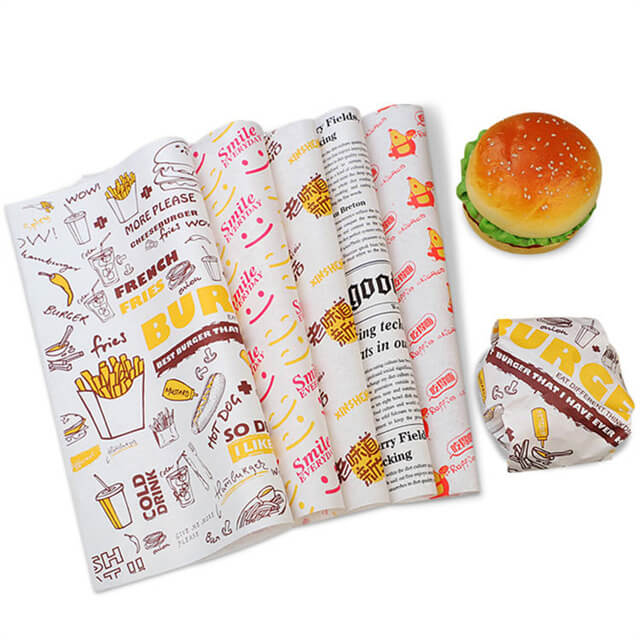
wrapping protects food during travel from spills and outside germs. It also helps keep food hot or cold as needed. Use wrapping that fits food tightly and stays sealed during delivery. You want to avoid leaks that ruin food quality and cleanliness. Wrapping that is easy to carry also improves customer experience. Customized burger wrapping sheets for food trucks show how branding and safety can work together. These sheets keep food clean and help with temperature control. Good wrapping stops contamination and shows you care about takeout food safety practices.
WaxPapersHub in USA Supports Safety With wrapping
wrapping matters a lot to protect food when customers take orders home or on the road. You can trust reliable solutions that meet safety standards and enhance your brand look. WaxPapersHub provides quality wrapping materials for restaurants in the USA. Their products help restaurants follow takeout food safety practices with ease. This support allows you to focus on good food and fast service while ensuring safety.
How Can Staff Training Improve Takeout Food Safety Practices?
Staff training builds solid habits that protect food. Teach your team how to handle food, clean properly, and check temperatures well. Training should include how to wrap food safely and manage time during busy periods. Make sure everyone knows why each safety step matters. Reinforce learning with regular refreshers and checks. When staff understands and follows rules, food safety improves and mistakes drop. Investing in training protects your customers and helps your business run smoothly every day.
What Role Does Cleanliness Play in Takeout Food Safety?
Clean is less likely to breed germs on food and surfaces. Your hands should be washed frequently, and especially before handling food. Clean counters, pans, and utensils can help prevent contamination. Discard or wash clothes and towels frequently. To maintain the area clean, the garbage should be covered and removed frequently. Food, dirt or mess anywhere will end up blowing bacteria all around the place. Both kitchen and packaging areas are kept clean and tidy to ensure the highest levels of safety and food quality for your customers.
How Can Customer Communication Enhance Takeout Safety?
Customers notice signs of care when restaurants communicate well about takeout safety. You can give tips on how to store and reheat food safely at home. Clear labels about ingredients, allergens, and heating instructions reduce confusion. You also show respect for peoples’ needs and health. Respond quickly to questions or complaints about food safety. This builds trust and loyal relationships. Being open and honest about your safety practices helps customers feel confident ordering from you again.
How Do Local Rules Affect Takeout Food Safety Practices?
Local health rules set minimum standards for food safety that restaurants must follow. These rules cover handling, storage, wrapping, and staff hygiene. Inspectors visit to check your workplace and safety steps. Following regulations helps you avoid fines or closures. Understanding and meeting requirements shows you care about safety and reputation. Keep up with law changes and train staff well. Local rules guide your business to keep food safe for customers every day.
What Are Benefits of Good Takeout Food Safety Practices?
Following safe food practices lowers risks of foodborne illness. This protects your customers and prevents costly health claims against your business. Good safety also raises customer satisfaction and loyalty. Consumers trust restaurants that show care in wrapping and handling food, including the use of eco-friendly wax paper packaging solutions. You will reduce waste and spoilage by keeping food in good condition. Safety leads to stronger brand reputation and repeat orders. Taking food safety seriously helps your restaurant stay open, grow, and serve happy customers.