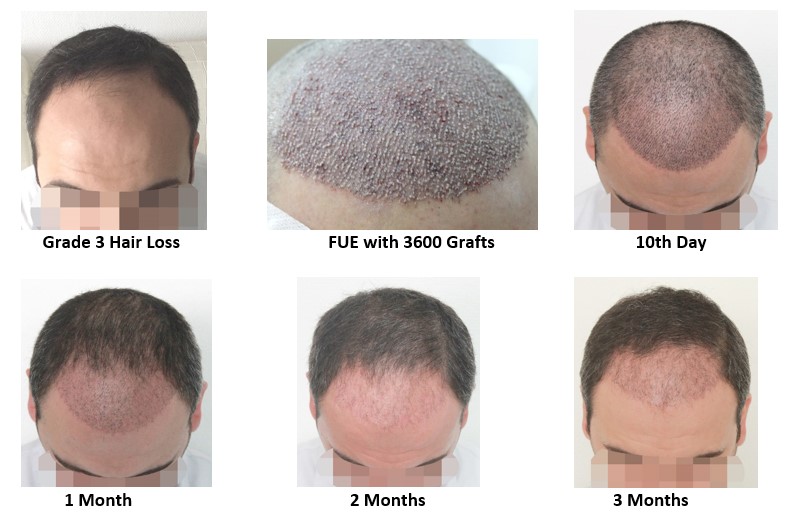

After hair transplant surgery, patients often ask: “How long before I can see results?” or “When can I return to normal activities?” Understanding the recovery timeline prevents anxiety, unrealistic expectations, and poor care.
This guide explains the week-by-week recovery after hair transplant surgery, based on clinical experience and medical evidence. If you are considering a hair transplant clinic or hair transplant Lahore, this article helps you anticipate every stage clearly.
Day 0: Surgery Day
On the day of your hair transplant surgery:
-
Follicles are extracted from the donor area (usually back or sides of scalp)
-
Grafts are implanted into thinning or bald areas
Expect:
-
Mild swelling
-
Redness in donor and recipient areas
-
Tiny scabs forming around transplanted follicles
A professional hair transplant clinic will provide detailed post-op instructions, medications, and care guidance.
Source: ISHRS Patient Education Material
Week 1: Initial Healing Phase
The first week is critical for graft survival.
Patients usually notice:
-
Swelling on forehead and around eyes (common)
-
Scabbing around transplanted follicles
-
Mild soreness in donor and recipient areas
Important care tips:
-
Avoid scratching or rubbing
-
Use prescribed cleaning solutions
-
Sleep with head elevated
Week 2: Scabs Fall Off Naturally
By the end of week two:
-
Most scabs detach naturally
-
Redness begins to subside
-
Mild itching may occur as nerves recover
At this stage, patients can return to light daily activities but should avoid heavy exercise to prevent graft displacement.
Week 3–4: Shock Loss Phase
Hair shedding, also called shock loss, occurs during weeks three and four.
Key points:
-
Transplanted hairs may fall out temporarily
-
Follicles remain alive under the skin
-
Hair regrowth begins after this resting phase
Shock loss is normal and expected, not a sign of failure.
Source: AAD Hair Restoration Guidelines
Month 2: Resting Phase Continues
During the second month, visible progress is minimal.
Patients often feel anxious because scalp looks similar to pre-surgery condition.
What’s happening:
-
Follicles remain dormant under the skin
-
Blood supply stabilizes
-
Inflammation fully resolves
This period is mostly internal healing, not cosmetic change.
Month 3: Early Hair Growth Begins
By the third month:
-
Fine, soft hairs start emerging
-
Hair may appear uneven in density
-
Texture differs from surrounding natural hair
This early growth is the first sign that transplanted follicles are alive and functional.
Month 4–5: Noticeable Improvement
Hair becomes thicker, and coverage increases.
Patients may notice:
-
Hairline becoming defined
-
Gaps slowly filling in
-
Ability to style hair lightly
At this stage, the scalp looks fuller, but density remains developing.
Month 6: Significant Growth
By month six:
-
Hair grows faster and thicker
-
Density improves visibly
-
Scalp looks more natural
This milestone usually represents 50–60% of expected results.
Source: Journal of Cutaneous and Aesthetic Surgery
Month 7–8: Hair Maturation
During months seven and eight:
-
Hair direction and texture improve
-
Blending with existing hair becomes smoother
-
Styling becomes normal
Side effects like redness, swelling, or itching are usually gone by now.
Month 9–10: Near-Final Results
By nine to ten months:
-
Hairline reaches intended design
-
Crown areas, if transplanted, fill in more
-
Density approaches final expectation
Clinics often evaluate whether minor touch-ups or additional sessions are needed.
Month 11–12: Final Hair Transplant Results
By one year:
-
Full cosmetic results appear
-
Hair is permanent and behaves naturally
-
Minor adjustments in density may continue up to 15 months
Patients can now style, cut, and treat hair like natural hair.
Factors That Affect Recovery Timeline
Several variables can speed up or slow recovery:
-
Surgeon skill and technique
-
Donor area quality
-
Patient age and general health
-
Compliance with post-op care
-
Smoking or chronic health conditions
A high-quality hair transplant clinic explains these factors clearly before surgery.
Tips to Ensure Faster, Safer Recovery
-
Follow clinic-provided cleaning instructions strictly
-
Avoid direct sun exposure for at least two weeks
-
Sleep with head elevated to reduce swelling
-
Avoid strenuous activity for 3–4 weeks
-
Take medications exactly as prescribed
Common Myths About Recovery
❌ “Hair grows instantly after surgery” – Hair growth follows biology, not marketing.
❌ “Scabs must be peeled off” – Scratching damages grafts.
❌ “Recovery is the same for everyone” – Age, health, and technique matter.
Final Thoughts: Patience Is Part of the Process
Recovery after a hair transplant requires patience. The first few months may feel uneventful, but biology works beneath the surface. Following instructions, choosing an experienced surgeon, and selecting a reputable hair transplant clinic—especially in places like hair transplant Lahore—ensures the best outcome.
Understanding the week-by-week and month-by-month recovery timeline helps patients stay calm, follow care properly, and enjoy the long-term benefits of surgery.