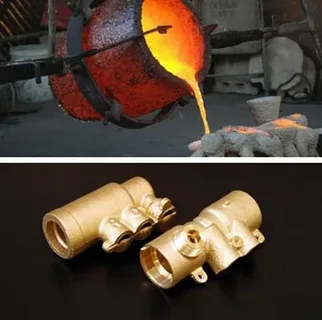

Brass casting is one of the most trusted and widely used metal casting processes across various industries. Known for its excellent strength, corrosion resistance, and attractive finish, brass casting plays a vital role in manufacturing components that require durability, precision, and aesthetic appeal. From industrial machinery to decorative hardware, brass casting services offer reliable solutions that meet both functional and design requirements.
As industries continue to evolve, the demand for high-quality brass cast components continues to grow. Modern casting techniques, combined with advanced technology, allow manufacturers to produce complex and high-performance brass parts that meet international quality standards.
Understanding Brass Casting
Brass casting is a metal forming process in which molten brass is poured into a mold and allowed to solidify into a specific shape. Brass, an alloy primarily composed of copper and zinc, offers excellent mechanical properties and corrosion resistance, making it ideal for a wide range of applications.
The versatility of brass allows it to be used in both functional and decorative components. Its smooth surface finish, machinability, and resistance to wear make it a preferred material across many industries.
Composition and Properties of Brass
Brass is an alloy made primarily of copper and zinc, with the proportions adjusted to achieve specific characteristics. Additional elements such as lead, tin, or aluminum may be added to enhance machinability, strength, or corrosion resistance.
Key properties of brass include:
-
Excellent corrosion resistance
-
High strength and durability
-
Good electrical and thermal conductivity
-
Attractive golden appearance
-
Ease of machining and finishing
These properties make brass an ideal choice for both industrial and decorative applications.
The Brass Casting Process
The brass casting process involves several critical steps to ensure precision, strength, and consistency.
1. Pattern Making
A pattern is created based on the desired shape of the final component. This pattern forms the cavity of the mold and can be made from wood, metal, or plastic.
2. Mold Preparation
The mold is prepared using sand or other mold materials. The pattern is placed inside the mold to create the shape of the casting.
3. Melting
Brass is melted in a furnace at controlled temperatures to achieve the correct composition and fluidity.
4. Pouring
Molten brass is poured into the prepared mold through a gating system. Proper control during pouring ensures minimal defects.
5. Cooling and Solidification
The molten metal cools and solidifies into the desired shape. Cooling time varies depending on the size and thickness of the casting.
6. Finishing
After solidification, the casting undergoes finishing processes such as trimming, machining, polishing, and surface treatment to achieve the required specifications.
Types of Brass Casting
There are several types of brass casting methods used depending on design complexity, production volume, and quality requirements.
Sand Casting
Sand casting is one of the most common methods for producing brass components. It is cost-effective and suitable for large or complex parts.
Die Casting
Die casting involves injecting molten brass into metal molds under high pressure. This method produces high-precision components with smooth surface finishes.
Gravity Casting
Gravity casting relies on gravity to fill the mold, resulting in high-quality parts with good mechanical properties.
Centrifugal Casting
Used for cylindrical components, centrifugal casting produces dense, defect-free castings with excellent mechanical strength.
Applications of Brass Casting
Brass casting is widely used across numerous industries due to its versatility and durability.
Plumbing and Sanitary Applications
Brass fittings, valves, faucets, and connectors are commonly used in plumbing systems due to their corrosion resistance and reliability.
Electrical and Electronic Components
Brass is widely used in electrical terminals, connectors, and switchgear components because of its excellent conductivity.
Automotive Industry
Brass castings are used in radiators, valves, bushings, and various engine components.
Architectural and Decorative Uses
Brass is popular in architectural hardware, door handles, railings, and decorative elements due to its attractive appearance.
Industrial Machinery
Gears, bearings, and mechanical components made from brass offer durability and resistance to wear.
Benefits of Brass Casting Services
Professional brass casting services provide numerous advantages that make them ideal for industrial and commercial use.
High Precision and Consistency
Advanced casting techniques ensure accurate dimensions and repeatable quality across production batches.
Excellent Surface Finish
Brass castings offer smooth surfaces that require minimal finishing.
Cost-Effective Production
Brass casting allows for efficient mass production with reduced material waste.
Customization Options
Manufacturers can produce customized components to meet specific design and performance requirements.
Long Service Life
Brass components are durable, corrosion-resistant, and capable of performing in demanding environments.
Quality Control in Brass Casting
Quality assurance is critical in brass casting to ensure performance, safety, and reliability. Leading manufacturers implement strict quality control processes, including:
-
Chemical composition analysis
-
Dimensional inspection
-
Pressure and leak testing
-
Mechanical property testing
-
Visual and surface inspection
These measures ensure that each brass casting meets industry standards and customer expectations.
Sustainability and Environmental Benefits
Brass casting is an environmentally responsible manufacturing process. Brass is fully recyclable without loss of quality, making it an eco-friendly material choice.
Modern foundries focus on sustainable practices such as recycling scrap metal, reducing emissions, and optimizing energy consumption. This helps minimize environmental impact while maintaining high production standards.
Choosing the Right Brass Casting Service Provider
Selecting the right brass casting partner is crucial for achieving consistent quality and reliability. A reputable service provider offers:
-
Extensive industry experience
-
Advanced manufacturing facilities
-
Skilled technical expertise
-
Strict quality control systems
-
Timely delivery and customer support
Working with an experienced brass casting company ensures long-term performance and cost efficiency.
The Future of Brass Casting
As industries continue to evolve, brass casting remains a vital manufacturing process. Innovations in casting technology, automation, and material science are improving efficiency, precision, and sustainability.
With increasing demand for durable, corrosion-resistant components, brass casting will continue to play a key role in industrial development worldwide.
Conclusion
Brass casting is a versatile and reliable manufacturing process that supports a wide range of industries. Its strength, corrosion resistance, and aesthetic appeal make it an ideal choice for producing high-quality components.
Professional brass casting services provide precision, durability, and consistency, ensuring components meet exacting standards. By combining traditional craftsmanship with modern technology, brass casting continues to be a cornerstone of industrial manufacturing.