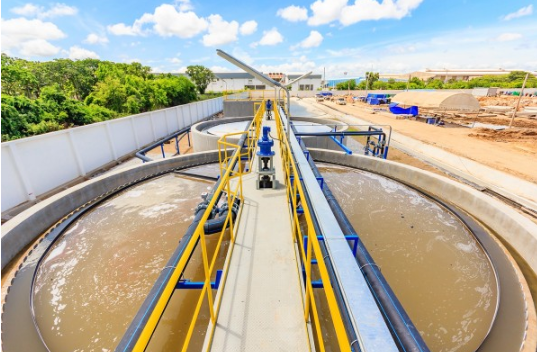

A filter cartridge is a replaceable filtration element designed to remove solid contaminants from liquids or gases with defined micron accuracy. Industrial systems use filter cartridges to protect equipment, stabilize processes, and maintain product quality under controlled flow and pressure conditions.
Filter cartridges operate inside cartridge filter housings made from stainless steel or engineered polymers, depending on pressure and application requirements.
What a Filter Cartridge Does in an Industrial System
A filter cartridge captures suspended particles while allowing clean fluid to pass through at a controlled flow rate. It acts as the primary or secondary barrier against contamination.
Industrial filter cartridges perform four core functions:
-
Remove particles above a defined micron size
-
Protect pumps, valves, membranes, and instruments
-
Maintain consistent process quality
-
Reduce equipment wear and unplanned downtime
Each function directly impacts operational efficiency and maintenance cost.
How Filter Cartridges Work
Filter cartridges work by forcing fluid through a porous filtration media that traps contaminants on the surface or within the depth of the media. The filtration mechanism depends on cartridge construction.
There are two primary filtration mechanisms:
-
Surface filtration, where particles remain on the outer surface
-
Depth filtration, where particles are captured throughout the media thickness
The mechanism determines dirt-holding capacity, pressure drop behavior, and service life.
Types of Filter Cartridges Used in Industry
Filter cartridges are classified by construction method, filtration mechanism, and application suitability. Each type serves a specific industrial purpose.
Pleated Filter Cartridges
Pleated filter cartridges provide high surface area for fine filtration at low pressure drop. They are used where consistent micron control is required.
Key characteristics include:
-
Micron ratings from 0.5 to 50 microns
-
High flow per element due to pleated design
-
Lower differential pressure buildup
-
Easy cleaning for reusable variants
Common applications include process water, chemicals, and food-grade liquids.
Depth Filter Cartridges
Depth filter cartridges capture particles throughout the media thickness, offering high dirt-holding capacity. They perform well in fluids with variable contamination levels.
Typical features include:
-
Micron ratings from 1 to 100 microns
-
Stable filtration efficiency over service life
-
Higher contaminant loading capability
-
Gradual pressure rise instead of sudden blockage
Depth cartridges are widely used in pre-filtration and bulk solids removal.
High Flow Filter Cartridges
High flow filter cartridges are engineered to handle large flow volumes using fewer elements. Each cartridge replaces multiple standard cartridges.
Performance specifications include:
-
Lengths of 20, 40, and 60 inches
-
Flow capacity of 20 to 70 cubic meters per hour per cartridge
-
Micron ratings from 1 to 100 microns
-
Reduced housing size and maintenance time
High flow cartridges are standard in large-scale industrial filtration systems.
Wound Filter Cartridges
Wound filter cartridges use layered yarn to create graded density filtration. They capture larger particles on the outside and finer particles inside.
Key attributes include:
-
Cost-effective construction
-
Micron ratings from 1 to 100 microns
-
Suitable for high-temperature fluids
-
Good chemical compatibility
They are commonly used in chemical processing and utility filtration.
Stainless Steel Filter Cartridges
Stainless steel filter cartridges provide reusable, high-strength filtration for extreme conditions. They withstand high pressure and temperature without deformation.
Typical specifications include:
-
Micron ratings from 5 to 500 microns
-
Mesh or sintered metal construction
-
Operating temperatures above 300°C
-
Long service life with cleaning cycles
These cartridges are used in high-pressure and high-temperature processes.
Filter Cartridge Micron Ratings Explained
Micron rating defines the smallest particle size a filter cartridge can remove. One micron equals one-thousandth of a millimeter.
Common industrial micron ranges include:
-
1 to 5 microns for fine process filtration
-
10 to 25 microns for general industrial use
-
50 to 100 microns for pre-filtration
Selecting the correct micron rating balances filtration efficiency and pressure drop.
Materials Used in Filter Cartridges
Filter cartridge performance depends heavily on media material selection. Each material offers specific chemical and thermal resistance.
Common media materials include:
-
Polypropylene for water and chemicals
-
Polyester for higher temperature resistance
-
PTFE for aggressive chemicals and solvents
-
Stainless steel for extreme pressure and heat
Material compatibility prevents degradation and contamination.
Filter Cartridge Housings and System Compatibility
Filter cartridges operate inside housings that maintain sealing integrity and pressure safety. Stainless steel housings are used in high-pressure applications.
Housing considerations include:
-
Operating pressure and temperature
-
Number and length of cartridges
-
Inlet and outlet nozzle size
-
Sealing type such as O-ring or gasket
Correct housing selection ensures leak-free operation and cartridge performance.
Pressure Drop and Flow Rate Relationship
Pressure drop increases as contaminants accumulate inside the filter cartridge. Monitoring differential pressure indicates replacement timing.
Typical pressure drop values include:
-
Clean cartridge pressure drop below 0.2 bar
-
Recommended replacement at 1.5 to 2.5 bar differential
-
Stable flow maintained within design limits
Maintaining pressure drop within range protects pumps and downstream equipment.
Filter Cartridge Service Life and Replacement
Filter cartridge service life depends on contaminant load, flow rate, and media type. There is no fixed replacement interval.
Replacement indicators include:
-
Differential pressure reaching defined limit
-
Reduced flow rate
-
Visible contamination or damage
Replacing cartridges at the correct time prevents bypass and system stress.
Industrial Applications of Filter Cartridges
Filter cartridges are used across industries where fluid cleanliness is critical. Each application defines specific performance requirements.
Common applications include:
-
Industrial water treatment and utilities
-
Chemical and petrochemical processing
-
Food and beverage manufacturing
-
Pharmaceutical and biotechnology systems
-
Power generation and heavy industry
Each industry selects cartridges based on regulatory, process, and safety needs.
Advantages of Using Filter Cartridges in Industrial Filtration
Filter cartridges offer precise filtration, flexible design, and predictable performance. These benefits make them standard in industrial systems.
Key advantages include:
-
Consistent micron-level filtration
-
Scalable system design
-
Reduced equipment wear
-
Improved process stability
These advantages translate into lower operational risk.
Common Filter Cartridge Selection Mistakes
Incorrect filter cartridge selection leads to premature failure and inefficiency. Avoiding common errors improves system performance.
Frequent mistakes include:
-
Selecting micron rating without considering dirt load
-
Ignoring chemical compatibility
-
Oversizing or undersizing cartridges
-
Neglecting pressure and temperature limits
Engineering evaluation prevents these issues.
Maintenance Best Practices for Filter Cartridges
Proper maintenance extends filter cartridge life and ensures stable filtration. Maintenance practices depend on cartridge type.
Best practices include:
-
Monitoring differential pressure regularly
-
Maintaining recommended flow rates
-
Cleaning reusable cartridges correctly
-
Replacing seals during cartridge changeout
Consistent maintenance reduces unplanned shutdowns.
Regulatory and Quality Considerations
Industrial filter cartridges must meet quality and safety requirements defined by process standards. Documentation supports compliance.
Quality considerations include:
-
Material traceability
-
Manufacturing consistency
-
Performance validation
-
Batch-level quality control
These factors ensure reliable filtration performance.
Future Developments in Filter Cartridge Technology
Filter cartridge technology continues to evolve toward higher efficiency and lower energy loss. Innovation focuses on performance optimization.
Current developments include:
-
Higher surface area pleated designs
-
Improved depth media with uniform pore structure
-
Longer service life high flow cartridges
-
Reusable stainless steel filtration elements
These improvements reduce operating cost and environmental impact.
Final Conclusion
A filter cartridge is the core component of any industrial filtration system, directly controlling cleanliness, flow stability, and equipment protection. Selecting the correct cartridge type, micron rating, and material ensures reliable performance and long service life.
Industries that apply filter cartridges based on process conditions achieve better efficiency, lower maintenance cost, and consistent operational outcomes.