
Porcelain veneers have become one of the most talked-about cosmetic dental treatments, yet they are also surrounded by myths and misunderstandings. Social media, celebrity smiles, and word-of-mouth opinions often blur the line between fact and fiction, leaving many people unsure whether veneers are the right option for them. In reality, porcelain veneers are a carefully planned dental solution designed to enhance both appearance and confidence when used appropriately.Understanding what veneers truly offer, how they work, and what they do not do is essential before making any decisions. This article explores the most common misconceptions and realities surrounding porcelain veneers, helping you make an informed and confident choice about your smile.
What Are Porcelain Veneers?
Porcelain veneers are thin, custom-made shells crafted from high-quality dental ceramic. They are bonded to the front surface of teeth to improve their shape, colour, size, or alignment. Each veneer is designed to blend seamlessly with surrounding teeth, creating a natural and balanced appearance.Unlike crowns, veneers typically require minimal alteration of the tooth structure. Their primary role is cosmetic, but they often provide functional benefits such as strengthening worn enamel and improving bite balance. Because porcelain closely mimics natural tooth enamel, veneers reflect light in a way that creates a lifelike finish, making them a popular choice for long-term smile enhancement.

Common Myths About Porcelain Veneers
Myth 1: Veneers Ruin Natural Teeth
One of the most widespread misconceptions is that veneers damage or destroy natural teeth. In truth, modern veneer techniques are conservative. Only a thin layer of enamel is gently reshaped to allow the veneer to fit securely. When properly planned and placed, veneers preserve the underlying tooth structure.
Myth 2: Veneers Look Fake or Too White
Early cosmetic dentistry sometimes produced overly bright or uniform results, which fuelled this myth. Today, veneers are individually colour-matched and shaped to suit facial features. They can look as subtle or as transformative as desired, depending on patient preferences.
Myth 3: Veneers Are Only About Appearance
While aesthetics are a major benefit, veneers can also protect weakened enamel, close small gaps, and improve minor alignment issues. Many patients experience improved comfort and confidence when speaking or smiling.
Myth 4: Veneers Need Constant Maintenance
Veneers do not require complicated care. With good oral hygiene and regular dental visits, they can be maintained just like natural teeth.
The Facts About Porcelain Veneers
Porcelain veneers are a dependable long-term cosmetic solution when used for appropriate dental indications. Their durability is one of their most significant advantages, as high-quality porcelain resists staining and everyday wear, allowing veneers to maintain their appearance for many years. Veneers are also biocompatible, making them gentle on gum tissues and helping reduce irritation when bonded correctly. Their precise placement allows smooth integration with the gum line, supporting healthy tissue response and overall comfort.
Key advantages include:
- Long-lasting strength and colour stability
- Gum-friendly materials with natural integration
- Custom design tailored to individual facial proportions
- Ability to complement restorative treatments
In comprehensive smile plans, veneers can be combined with solutions such as dental implant Leeds care to restore function while enhancing aesthetics. This integrated approach ensures natural-looking, balanced, and durable smile outcomes.
Who Is an Ideal Candidate for Porcelain Veneers?
Porcelain veneers are suitable for many individuals, but they are not a universal solution. Ideal candidates typically have healthy teeth and gums and wish to address cosmetic concerns such as discolouration, chips, mild misalignment, or uneven spacing.Veneers may not be suitable for patients with untreated gum disease, extensive tooth decay, or habits such as severe teeth grinding without protective measures. A thorough assessment ensures veneers are used appropriately and deliver predictable results. In some cases, alternative or preparatory treatments may be recommended before proceeding.
The Porcelain Veneer Treatment Process
The journey to porcelain veneers typically follows a structured and collaborative process. It begins with a consultation to discuss concerns, expectations, and suitability. Digital scans or impressions are taken to aid precise planning.
The main stages include:
- Smile assessment and treatment planning
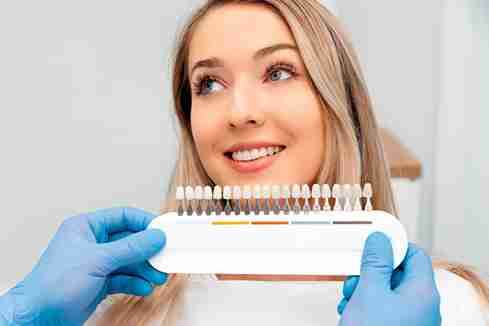
- Shade selection and design approval
- Minimal tooth preparation
- Temporary veneers, if required
- Final bonding of custom porcelain veneers
This process ensures predictability and allows patients to be involved in shaping their final smile. Clinics offering porcelain veneer Leeds services often use digital previews to help patients visualise results before treatment begins.
Porcelain Veneers vs Other Cosmetic Options
Understanding how veneers compare with other cosmetic treatments can clarify expectations.
| Treatment Option | Longevity | Aesthetic Impact | Tooth Preparation |
| Porcelain Veneers | High | Excellent | Minimal |
| Teeth Whitening | Moderate | Limited to colour | None |
| Dental Bonding | Moderate | Good | Minimal |
| Orthodontics | High | Alignment-focused | None |
This comparison highlights why veneers are often chosen for comprehensive aesthetic improvement, particularly when multiple concerns need addressing at once.
Longevity, Care, and Maintenance
With proper care, porcelain veneers can last well over a decade. Their longevity depends largely on daily habits and professional maintenance.
To protect veneers:
- Brush twice daily with a non-abrasive toothpaste
- Floss regularly to maintain gum health
- Attend routine dental check-ups
- Avoid using teeth as tools
- Wear a night guard if grinding is present
Porcelain resists staining better than natural enamel, but maintaining good habits ensures veneers continue to look their best for years.

Risks and Considerations to Be Aware Of
Although veneers are safe and effective, there are considerations to keep in mind. The procedure is largely irreversible due to minimal enamel reshaping. Some patients may experience temporary sensitivity after placement, which usually settles quickly.Choosing an experienced clinician is essential, as precise planning and placement determine both appearance and longevity. When performed correctly, risks are minimal and satisfaction rates are high.
Conclusion
Porcelain veneers are neither a shortcut nor a one-size-fits-all solution; they are a carefully planned cosmetic treatment with both aesthetic and functional benefits. By separating fact from fiction, patients can approach veneers with realistic expectations and confidence. When supported by expert planning, high-quality materials, and proper aftercare, veneers can transform a smile in a natural, lasting way. Practices such as Smilo Dental Implant Leeds demonstrate how thoughtful cosmetic dentistry can deliver balanced, long-term results that enhance confidence while preserving oral health.