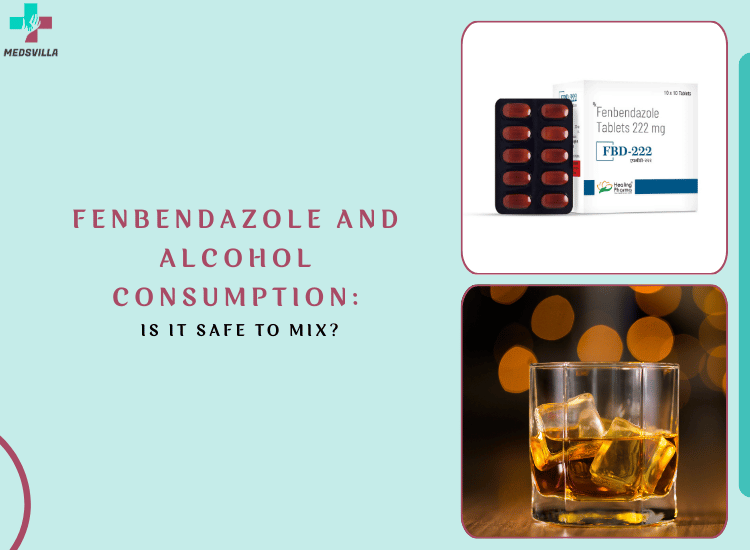

Fenbendazole is a widely used antiparasitic medication primarily prescribed in veterinary medicine to treat intestinal worms in animals like dogs, cats, horses, and livestock. In recent years, it has gained attention for potential off-label uses in humans, including anecdotal reports of anticancer benefits. As more people consider using fenbendazole for various purposes, a common question arises: Is it safe to consume alcohol while taking fenbendazole?
Fenbendazole has attracted significant attention in recent years as interest grows in its potential applications beyond traditional parasite treatments. While Fenbendazole for Horses is widely used in veterinary medicine, some individuals also discuss its off-label use for human health.
This article explores how fenbendazole works, how alcohol affects the body, potential interactions between the two, and important safety considerations.
What Is Fenbendazole?
Fenbendazole belongs to the benzimidazole class of drugs. Its primary function is to disrupt the metabolism of parasites by preventing them from absorbing glucose. Without glucose, parasites lose energy and die.
In veterinary medicine, fenbendazole is commonly used to treat:
-
Roundworms
-
Hookworms
-
Whipworms
-
Certain tapeworms
-
Giardia infections in dogs
Fenbendazole is generally considered safe for animals when used at the correct dosage, with mild side effects such as temporary diarrhea or vomiting in some cases.
How Fenbendazole Is Metabolized
Fenbendazole is absorbed through the digestive tract and metabolized primarily in the liver, where it is converted into active metabolites, such as oxfendazole. These metabolites help eliminate parasites from the body.
Because the liver plays a central role in processing fenbendazole, any substance that affects liver function—including alcohol—may influence the way the drug behaves in the body.
How Alcohol Affects the Body
Alcohol is also metabolized by the liver. Even moderate consumption temporarily increases the liver’s workload, while heavy or chronic drinking can lead to liver inflammation, fatty liver disease, or more serious conditions like hepatitis or cirrhosis.
Common effects of alcohol on the body include:
-
Increased liver enzyme activity
-
Dehydration
-
Gastrointestinal irritation
-
Fatigue and dizziness
-
Suppressed immune function
Since alcohol and fenbendazole are both processed by the liver, combining them could potentially increase the risk of liver strain or other side effects.
Is There a Known Interaction Between Fenbendazole and Alcohol?

Currently, no major clinical studies have documented a direct interaction between fenbendazole and alcohol in humans. However, based on what is known about liver metabolism and drug safety, combining the two may increase the likelihood of side effects.
Potential Risks of Mixing Fenbendazole and Alcohol
-
Increased Liver Stress
Both substances rely on the liver for metabolism. Drinking alcohol while taking fenbendazole could put extra strain on the liver, particularly for individuals with preexisting liver conditions. -
Worsened Gastrointestinal Symptoms
Fenbendazole may cause mild stomach upset, nausea, or diarrhea. Alcohol can irritate the gastrointestinal tract, potentially worsening these symptoms. -
Reduced Drug Effectiveness
Alcohol can interfere with drug absorption and metabolism, which may reduce fenbendazole’s effectiveness against parasites. -
Amplified Side Effects
Combining fenbendazole with alcohol could increase the risk of fatigue, dizziness, headaches, or general malaise.
Who Should Be Extra Cautious?
Certain individuals are more vulnerable to complications when combining fenbendazole and alcohol, including:
-
People with liver disease or elevated liver enzymes
-
Individuals who consume alcohol regularly or heavily
-
Those taking other medications that affect liver function
-
People with weakened immune systems
For these individuals, it is especially important to avoid alcohol while using fenbendazole.
Occasional Alcohol Consumption: Is It Safe?
For most people, occasional moderate alcohol consumption may not cause severe problems while taking fenbendazole. However, because the drug is processed by the liver and its effects in humans are not well-studied, abstaining from alcohol during treatment and for a short period afterward is the safest approach. This precaution helps ensure the medication works effectively and reduces the risk of side effects.
Tips for Safe Fenbendazole Use
If you are taking fenbendazole, whether for veterinary purposes or experimental human use, consider these safety guidelines:
-
Avoid Alcohol During Treatment
To reduce liver strain and potential side effects, it is best to abstain from alcohol. -
Stay Hydrated
Proper hydration supports liver and kidney function and helps your body process medications more effectively. -
Monitor for Symptoms
Watch for signs of liver stress or gastrointestinal upset, such as jaundice, nausea, abdominal pain, or unusual fatigue. -
Avoid Other Liver-Stressing Substances
Be cautious with medications or supplements that affect liver function, such as acetaminophen (paracetamol) or certain herbal remedies. -
Consult a Healthcare Professional
Always seek medical advice before using fenbendazole for experimental human purposes. A qualified professional can provide guidance on safety, dosing, and potential interactions.
Fenbendazole and Human Use: A Note of Caution
It is important to remember that fenbendazole is not approved for routine human use in most countries. Self-administering veterinary medications carries risks due to incorrect dosing, contamination, and lack of medical supervision.
Relying on fenbendazole without professional guidance—especially in combination with alcohol—can increase the likelihood of adverse effects and may delay proper medical care.
Key Takeaways
-
Fenbendazole is a veterinary antiparasitic drug that works by disrupting parasite metabolism.
-
Alcohol is metabolized by the liver and can increase the organ’s workload.
-
There is no documented direct interaction between fenbendazole and alcohol, but combining them may increase side effects or reduce drug effectiveness.
-
Individuals with liver issues, chronic alcohol use, or other medications should be especially cautious.
-
Abstaining from alcohol during fenbendazole treatment is the safest approach.
-
Always consult a healthcare professional before using fenbendazole for off-label human purposes.
Conclusion
While fenbendazole is generally safe for animals, combining it with alcohol in humans—or for off-label uses—can carry potential risks due to liver metabolism and possible side effects. Even occasional alcohol consumption should be approached with caution while taking fenbendazole. If you are taking any medication that includes alcohol, it is best to use Fenbendazole For Humans cautiously.
The safest course of action is to avoid alcohol during treatment, monitor your health closely, and seek professional medical advice before using fenbendazole for any experimental human purposes. By taking these precautions, you can help ensure safety while supporting the effectiveness of the medication.