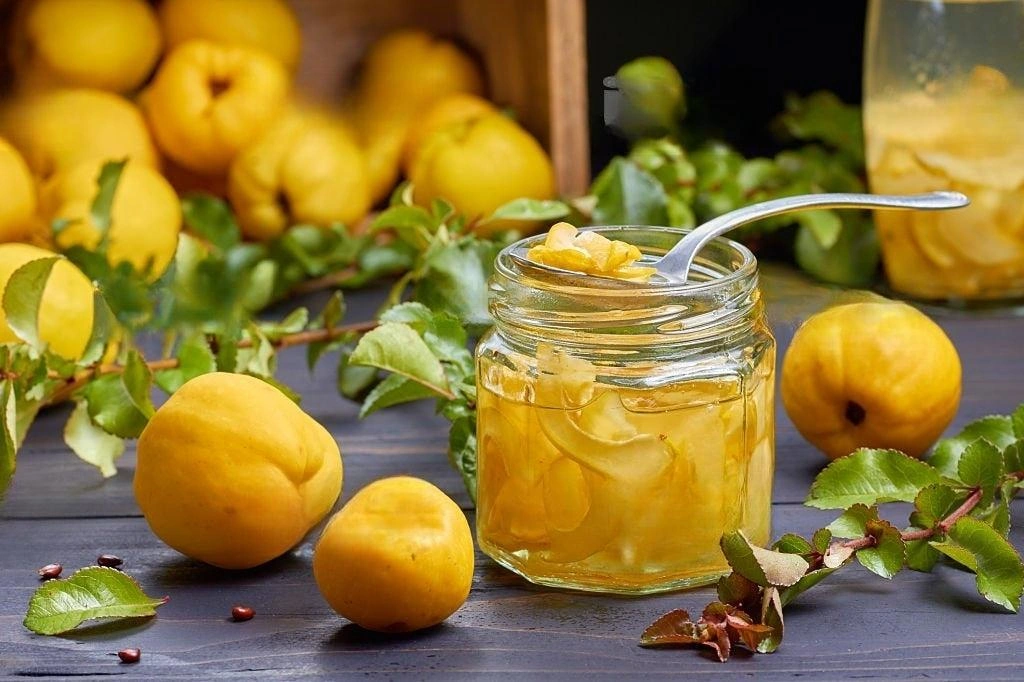

Quince murabba has long been a cherished delicacy in Pakistan, enjoyed in homes across the country for its sweet, tangy flavor and health benefits. Traditionally prepared during the harvest season, this fruit preserve is not only a culinary delight but also a natural remedy in many households. At the heart of this traditional recipe lies the bahi dana fruit, known for its rich aroma and firm texture, which makes it perfect for murabba.
What is Bahi Dana Fruit?
Bahi dana fruit, commonly referred to as quince in English, belongs to the same family as apples and pears. Native to the Middle East and widely cultivated in South Asia, it is particularly popular in Pakistan for making preserves, jams, and traditional sweets. The fruit has a unique combination of tartness and fragrance that becomes sweet and aromatic when cooked, making it ideal for murabba. Its firm flesh ensures it holds shape during cooking, a quality that many other fruits lack.
Bahi dana fruit is usually harvested in late autumn when it reaches optimal ripeness. The fruit is yellow with a slightly rough skin and a dense, aromatic pulp. While it is rarely eaten raw due to its sour taste, cooking transforms it into a soft, flavorful delicacy enjoyed by people of all ages.
Health Benefits of Bahi Dana Fruit Murabba
Including quince murabba in your diet offers several health advantages. Bahi dana fruit is rich in vitamins, minerals, and antioxidants. Some key benefits include:
-
Digestive Health: The high fiber content in bahi dana fruit helps in maintaining healthy digestion and preventing constipation.
-
Boosting Immunity: Vitamins like C and antioxidants present in the fruit strengthen the immune system and combat infections.
-
Heart Health: Regular consumption of murabba made from bahi dana fruit may help lower cholesterol levels and improve heart function.
-
Energy Boost: Quince murabba provides natural sugars that offer a quick energy boost, making it an excellent addition to breakfast or snacks.
Traditional Preparation of Quince Murabba in Pakistan
Making quince murabba in Pakistani homes is often considered a seasonal ritual, passed down from one generation to another. Here’s a detailed step-by-step guide to prepare this sweet delight:
Ingredients Needed
-
1 kg bahi dana fruit
-
500 g sugar (adjust according to sweetness preference)
-
1 tsp cardamom powder
-
1 cup water
-
2–3 cloves (optional)
-
1 tsp lemon juice
Step-by-Step Instructions
-
Washing and Peeling: Start by washing the bahi dana fruit thoroughly. Peel the skin using a sharp knife and remove the seeds carefully. The firm flesh should be cut into small cubes or wedges.
-
Blanching the Fruit: Boil water in a pan and blanch the fruit pieces for 5–7 minutes. This step softens the fruit slightly and reduces the sourness. Drain the water and keep the fruit aside.
-
Preparing Sugar Syrup: In a separate pan, mix sugar and water and bring it to a boil. Add cardamom powder and cloves to enhance the flavor.
-
Cooking the Murabba: Add the blanched bahi dana fruit to the boiling syrup. Reduce the heat to low and simmer until the fruit becomes translucent and absorbs the sweetness of the syrup. This usually takes 30–40 minutes.
-
Adding Lemon Juice: Stir in lemon juice during the last 5 minutes of cooking to prevent crystallization of sugar and to add a slight tangy taste.
-
Cooling and Storing: Allow the murabba to cool down completely before transferring it into sterilized jars. Properly sealed jars can preserve quince murabba for several months.
Variations and Serving Ideas
Quince murabba can be enjoyed in various ways in Pakistan:
-
Spread on warm bread or parathas for a sweet breakfast treat.
-
Served alongside cheese and nuts for a dessert platter.
-
Used as a topping for yogurt or ice cream to add flavor and texture.
-
Consumed with herbal tea as a digestive aid.
Some households also experiment with spices like cinnamon or nutmeg to create unique flavors, giving the traditional murabba a modern twist.
Seasonal Significance and Cultural Importance
In Pakistan, preparing quince murabba is more than just cooking; it is a celebration of seasonal harvests and family traditions. Many families reserve this preparation for winter months, as quince is typically harvested in late autumn. The process of making murabba together often becomes a bonding activity, with elders teaching younger generations the subtle techniques to achieve the perfect consistency and taste.
Bahi dana fruit, in particular, holds a symbolic meaning in Pakistani households. Its firm texture and bright color represent health and vitality, making it a popular gift during festivals and special occasions.
Tips for Perfect Quince Murabba
-
Always choose firm, fresh bahi dana fruit to prevent mushy murabba.
-
Avoid overcooking, as prolonged heat can make the fruit lose its shape.
-
Use fresh lemon juice to prevent crystallization of sugar.
-
Store in airtight containers in a cool, dark place to maximize shelf life.
Conclusion
Quince murabba made with bahi dana fruit is a perfect blend of tradition, taste, and health benefits. Its preparation is a cherished practice in Pakistan, symbolizing family togetherness and the richness of local harvests. Whether served as a dessert, a snack, or a digestive aid, this sweet preserve continues to hold a special place in Pakistani kitchens. By using high-quality bahi dana fruit and following traditional methods, anyone can recreate this classic delicacy and enjoy the flavors that have been treasured for generations.
Bahi dana fruit murabba is not just a sweet treat; it is a connection to culture, tradition, and the simple joys of home-cooked food.