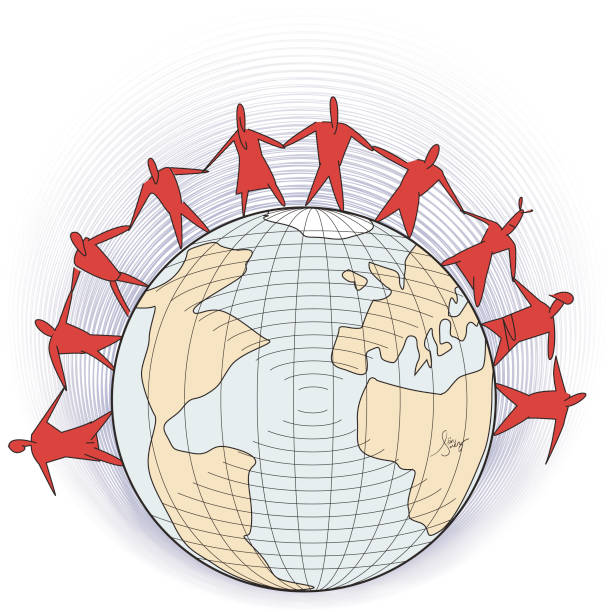

In today’s interconnected world, cultural diversity is both a reality and a resource. People from different backgrounds, religions, and traditions coexist in communities, workplaces, and nations. Unity in diversity is the principle that these differences can coexist harmoniously. Rather than being a source of division, diversity can strengthen social cohesion and resilience. Promoting unity in diversity requires more than tolerance; it calls for active understanding, appreciation, and respect for cultural differences. When societies embrace this principle, they create a foundation for lasting peace and navigate conflicts without resorting to violence.
Understanding Cultural Differences
Cultural differences encompass language, traditions, values, and social norms. Each culture offers unique perspectives on life, work, and human relationships. Misunderstandings often arise when individuals interpret behaviors through their own cultural lens, which can escalate minor disagreements into significant conflicts. Awareness and sensitivity are key to bridging these gaps. Intercultural education equips individuals to recognize and respect differences. Additionally, collaborative initiatives such as Peacebuilding through reconciliation practices help communities address historic grievances.
By combining cultural understanding with reconciliation, societies can transform tension into cooperation. Diversity does not mean uniformity; it emphasizes complementarity. Understanding different cultural viewpoints encourages dialogue and reduces prejudice. When people actively seek to learn from others, they build empathy and trust. These elements are essential for sustaining peaceful coexistence in diverse societies.
Cultural Understanding as a Foundation for Peace
Peace requires more than the absence of conflict; it involves mutual respect, justice, and cooperation. Cultural understanding serves as the foundation for these principles. Through dialogue and shared experiences, communities can foster common values. Empathy plays a central role in this process. When individuals imagine life from another culture’s perspective, they develop respect that encourages collaboration and reduces stereotyping.
Furthermore, cultural understanding provides tools to resolve disputes constructively. By integrating cultural sensitivity into peacebuilding initiatives, societies achieve more sustainable outcomes. Programs focusing on mediation, interfaith dialogue, and reconciliation are particularly effective. These initiatives emphasize both emotional healing and social restoration, making cultural understanding a moral and practical pathway to peace.
Role of Education and Dialogue
Education is vital in promoting unity in diversity. Schools, universities, and community programs teach tolerance, empathy, and intercultural skills. Curricula that highlight diverse histories and perspectives foster appreciation for differences. Students exposed to such education are more likely to engage respectfully across cultures. Dialogue complements education by providing practical interaction opportunities.
Community forums, cultural festivals, and exchange programs allow people to learn firsthand. Through dialogue, misconceptions are clarified, and relationships are strengthened. Moreover, digital platforms extend the reach of intercultural dialogue, connecting individuals across geographic boundaries. When guided thoughtfully, these tools amplify voices and bridge divides, laying the groundwork for peaceful coexistence.
Community and Institutional Contributions
Local communities are frontline actors in promoting unity. Community leaders, cultural associations, and volunteers organize initiatives that celebrate diversity, providing safe spaces for addressing conflicts. Institutions complement these efforts by establishing inclusive policies. Government programs promoting minority rights and anti-discrimination laws reinforce social cohesion. Similarly, workplaces that encourage diversity benefit from innovation and collaboration.
Institutions that recognize and protect cultural plurality create environments conducive to lasting peace. When communities and institutions act in concert, they create a reinforcing cycle. Community engagement informs policy, and policy supports sustainable social practices. This synergy ensures that unity in diversity is actionable, embedding peace in both everyday life and societal structures.
Challenges to Unity in Diversity
Despite its benefits, unity in diversity faces multiple challenges. Stereotypes and prejudice persist, often fueled by ignorance or fear. Historical conflicts and social inequalities can exacerbate divisions. Additionally, rapid globalization sometimes erodes local cultural identities. Overcoming these obstacles requires patience and strategic effort, such as awareness campaigns and intercultural workshops.
Encouraging inclusive participation ensures marginalized voices are heard. Promoting dialogue that addresses grievances constructively is equally important. Conflict prevention strategies must consider both immediate disputes and systemic issues. Ignoring structural inequalities risks undermining peace initiatives. Therefore, unity in diversity demands holistic approaches integrating social, cultural, and institutional dimensions.
Statistics on Global Diversity and Inclusion
Research consistently shows that diversity acts as a catalyst for growth and stability. According to recent McKinsey & Company reports:
-
Economic Impact: Companies in the top quartile for racial and ethnic diversity are 35% more likely to have financial returns above their respective national industry medians.
-
Social Cohesion: In diverse urban environments, communities that engage in frequent “cross-group” contact report 20% higher levels of social trust than those in segregated areas.
-
Representation: Globally, while racial and ethnic minorities make up a significant portion of the population, they often hold less than 15% of senior leadership roles, highlighting a gap between diversity as a reality and as an institutionalized resource.
Conclusion
Unity in diversity is a practical approach to sustainable peace. By understanding and valuing cultural differences, societies reduce conflict and build trust. Education, dialogue, community initiatives, and institutional support reinforce this process. Furthermore, reconciliation and peacebuilding programs transform historic tensions into cooperation. Celebrating diversity fosters creativity and shared responsibility, making communities more resilient. Ultimately, unity in diversity strengthens social cohesion while honoring individual identities through a long-term commitment to cultural understanding.