
Luxury labels compete in markets where perception dictates success more than genuine product differences. Packaging is a premium and fashion’s immediate visual sign for consumers to justify the higher price points they are willing to pay. The quality of the materials used, and the considered design, are the things that distinguish the luxury item from its everyday counterparts on ordinary store shelves. Luxury product consumers also expect the presentations to be exceptional to reflect the premium they are paying and if they invest in a purchase. The affinity between elaborate packaging and more sales is much more strong than most brands initially realize.
Data indicates that high-end consumers frequently arrive at conclusions on products based on their visual appearance earlier to trying them out. Better packaging turns regular shopping into dream shopping that customers look forward to repeating with brands. This outlay for presentation returns in the form of increased conversion rates and boosted customer life-time values. Looking at how luxury and premium packaging influences purchases enables brands to invest their money wisely.
Why Does Weight Influence Purchase Decisions?
Heavier packaging materials create psychological associations with substance and quality that customers value in luxury items. Lightweight boxes feel inexpensive regardless of what products they actually hold inside or cost to produce. The physical heft of premium packaging reinforces messaging about craftsmanship and attention to detail throughout production. Luxury shoppers unconsciously judge product value by how packaging feels when they pick it up. Thick cardboard stock or wooden elements add tactile dimension that cheap alternatives simply cannot replicate successfully.
Studies tracking purchase behavior show that customers spend more when packaging has noticeable physical presence. Cosmetic boxes designed with substantial materials outperform flimsy alternatives in luxury market segments consistently across categories. Weight also suggests durability and protection that reassures buyers about safe product delivery and storage. Premium materials justify higher prices because customers perceive tangible differences the moment they handle products. Brands investing in heavier packaging see measurable increases in both initial sales and repeat purchase behavior.
How Do Textures Create Emotional Connections?
Surface treatments like embossing or soft touch coatings engage multiple senses beyond just visual appeal. Smooth matte finishes communicate sophistication while glossy surfaces might suggest different brand personalities and values. Luxury customers expect interesting tactile experiences that ordinary products never bother providing to their buyers. The fingertips detect quality differences that eyes alone might miss during quick shopping decisions or comparisons. Textured packaging creates memorable moments that help brands stand out in crowded luxury marketplaces. UPacked research in the USA demonstrates that texture variations increase product recall by nearly fifty percent.
Leather grain patterns or linen textures on paper stock elevate perceived value without changing actual contents. Multiple texture combinations within single packaging designs add layers of interest that customers appreciate and remember. Tactile engagement also slows down the unpackaging process and makes opening feel more ceremonial than routine. Brands using distinctive textures build stronger emotional bonds that translate directly into loyalty and referrals.
What Makes Minimalist Design Sell More Products?
Clean lines and restrained decoration signal confidence that luxury brands possess in their product quality. Cluttered packaging suggests brands need excessive decoration to distract from mediocre contents or uncertain positioning. Minimalist approaches focus customer attention on essential elements like brand names and key product benefits. White space in design creates breathing room that communicates exclusivity and premium market positioning effectively. Luxury buyers often prefer understated elegance over loud graphics that feel mass market or desperate.
Japanese aesthetic principles of simplicity influence global luxury packaging trends across multiple product categories and industries. Fewer design elements also allow higher quality materials and construction details to become focal points. Minimalist packaging images are better for social media where luxury customers increasingly discover and share products. Restraint in design paradoxically makes packaging more memorable because it refuses to follow common patterns. Brands adopting minimalist packaging see improved margins because customers perceive greater value from less decoration.
Why Do Custom Inserts Increase Perceived Value?
Interior packaging elements demonstrate that brands care about presentation beyond just exterior box appearances. Foam cutouts or fabric pouches protect products while adding layers of anticipation during the opening process. Custom inserts transform functional needs into opportunities for reinforcing luxury positioning and brand storytelling moments. The revelation of products nestled in tailored compartments creates satisfying visual compositions customers want imaging. Luxury buyers expect products to arrive perfectly positioned rather than loose inside boxes with generic padding.
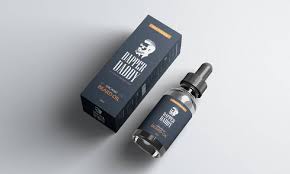
Molded inserts also prevent damage during shipping which protects both products and brand reputations simultaneously. Beard oil boxes featuring custom interior designs command higher prices than identical products in basic packaging. Multiple compartments for accessories or refills suggest completeness and thoughtfulness that mass market brands rarely offer. Interior design opportunities allow brands to extend storytelling beyond exterior surfaces into three dimensional experiences. Investment in custom inserts pays returns through reduced damage claims and increased customer satisfaction scores.
How Does Unboxing Speed Affect Luxury Perception?
Slow reveal packaging builds anticipation and makes opening feel like special events rather than transactions. Multiple layers or closure systems extend the unpackaging experience and increase emotional investment in products. Luxury customers want opening to feel deliberate and ceremonial instead of quick or purely functional. Magnetic closures or ribbon pulls add elegant friction that slows down the process intentionally. The time spent opening packaging correlates with how special and valuable customers perceive products. Quick tear strips belong on everyday items but feel wrong for luxury goods commanding premium prices.
Slower unpackaging also increases likelihood that customers will image and share experiences on social platforms. Packaging that opens too easily suggests mass production and diminishes the exclusivity luxury buyers seek. Strategic friction points guide customers through designed experiences that reinforce brand values and product positioning. Brands controlling unpackaging speed see higher engagement rates and stronger word of mouth marketing effects.
What Role Does Scarcity Signaling Play?
Limited edition markings or numbered packaging creates urgency that drives luxury purchases more than advertising. Exclusive design elements suggest products are rare rather than mass produced for everyone to access. Customers buying luxury items often seek distinction that separates them from mainstream consumer choices. Special stamps or certificates included with packaging reinforce feelings of owning something genuinely unique. Production numbers printed on boxes appeal to collectors and create artificial scarcity that justifies prices.
Seasonal packaging variations encourage repeat purchases from customers wanting complete collections of limited releases. Scarcity messaging works because it triggers psychological responses about status and belonging to select groups. Time limited packaging designs also give customers reasons to buy now instead of delaying purchase decisions. Brands using scarcity signals effectively see conversion rate improvements and reduced price sensitivity among buyers. The perception of exclusivity matters more than actual production numbers in driving luxury market behavior.
Why Does Color Psychology Matter for Luxury?
Specific color trends communicate luxury positioning to consumers more quickly than copy and logos. Black packaging is associated with sophistication and high quality in almost all product categories and in all world cultures. Gold signifies waste, whereas silver represents contemporary luxury and technological progress in some sense. Muted, earthy tones resonate with buyers desiring natural or sustainable luxury that shares their values. Consistency in color among product lines also creates recognition in the competitive space of luxury brands.
Deep jewel tones like emerald or sapphire create associations with precious materials and high value. White packaging can signal purity and minimalism when executed with obviously expensive materials and perfect printing. Color choices also need cultural consideration because meanings shift across different markets and customer segments. Luxury brands using strategic color psychology see stronger shelf presence and faster customer recognition patterns. Investment in color research and testing pays dividends through improved conversion rates and brand memorability.
How Does Sustainability Influence Luxury Purchases?
Modern luxury customers increasingly demand environmental responsibility without sacrificing quality or presentation standards they expect. Recycled materials can feel premium when processed correctly and combined with sophisticated design execution. Brands proving sustainability credentials attract younger luxury buyers who prioritize ethical consumption over pure status. Reusable packaging that functions beyond initial purchase creates ongoing brand presence in customer homes. Plant based inks and water based coatings satisfy environmental concerns while maintaining visual impact and quality.
Customers often pay more for products in sustainable luxury packaging because value alignment matters deeply. Transparency about sourcing and production methods builds trust that translates into loyalty and positive recommendations. Luxury sustainability requires balance because cheap looking eco packaging undermines premium positioning brands need maintaining. Innovative materials like mushroom packaging or ocean plastic demonstrate commitment while offering unique talking points. Brands integrating authentic sustainability into luxury packaging capture growing market segments willing to reward responsibility.
Conclusion
Premium packaging serves as a critical investment rather than an optional expense for luxury brands seeking growth. Every material choice and design decision either reinforces or undermines the premium positioning customers expect. Tangible experiences and visual sophistication justify higher prices because customers perceive tangible quality differences. Minimalist design principles and custom interior elements separate luxury products from mass market alternatives effectively.
Strategic unpackaging experiences and scarcity signals create emotional connections that drive both sales and loyalty. Color psychology and sustainable practices address modern luxury customer expectations about responsibility and values alignment. Brands treating packaging as an integral part of product offering see measurable returns through conversion and retention. The investment in premium presentation pays dividends across customer acquisition costs and lifetime value calculations. Luxury packaging distinguishes winners from competitors in markets where perception determines success and profitability consistently.