
In today’s digital economy, businesses rely heavily on cloud technologies to drive innovation, efficiency, and growth. From startups launching their first products to enterprises managing global operations, the cloud has become the foundation of modern business infrastructure. However, as cloud adoption increases, so do security risks. Cyber threats continue to evolve, making it critical for organizations to adopt advanced and proactive security strategies.
This is where cloud security solutions play a vital role. They protect sensitive data, ensure regulatory compliance, and enable businesses to scale confidently without compromising safety. In this in-depth guide, we will explore how advanced cloud security solutions support safe and scalable business operations, the technologies behind them, and best practices for long-term success.
The Growing Importance of Cloud Security in a Digital-First Era
Cloud computing has transformed how organizations store data, deploy applications, and collaborate across teams. Instead of maintaining costly on-premises infrastructure, businesses now rely on cloud platforms for flexibility and speed. As a result, cloud environments have become prime targets for cybercriminals.
Moreover, remote work and global collaboration have expanded the attack surface. Employees access systems from multiple locations and devices, which increases the risk of unauthorized access. Therefore, businesses must implement strong cloud security solutions to protect assets and maintain trust with customers and partners.
At the same time, regulatory requirements have become stricter. Industries such as healthcare, finance, and e-commerce must comply with data protection laws. Without proper cloud security measures, businesses risk financial penalties, reputational damage, and operational downtime.
Understanding Cloud Security Solutions and Their Core Purpose
Cloud security solutions refer to a set of technologies, policies, controls, and practices designed to protect cloud-based systems, data, and applications. These solutions work across public, private, and hybrid cloud environments to ensure consistent protection.
Unlike traditional security tools, cloud security solutions operate in dynamic environments. They adapt to changes in workloads, user behavior, and threat patterns. This adaptability makes them essential for modern businesses that require agility and scalability.
Additionally, cloud security solutions focus on shared responsibility. While cloud service providers secure the infrastructure, businesses must protect their data, applications, and access controls. Understanding this responsibility helps organizations design stronger and more effective security strategies.
Key Threats Facing Cloud-Based Business Operations
Cyber threats targeting cloud environments are becoming more sophisticated. Data breaches remain one of the most common risks, often caused by misconfigured storage, weak access controls, or compromised credentials. Even a single misstep can expose sensitive customer or business data.
Another major concern is insider threats. Employees or contractors with excessive privileges can accidentally or intentionally cause security incidents. Therefore, businesses must implement strict identity and access management policies to reduce this risk.
Furthermore, ransomware and malware attacks continue to increase. Attackers often exploit vulnerabilities in cloud workloads to disrupt operations or demand payment. Advanced cloud security solutions help detect these threats early and respond effectively before significant damage occurs.
How Advanced Cloud Security Solutions Enhance Business Safety
Advanced cloud security solutions go beyond basic protection. They use automation, artificial intelligence, and real-time monitoring to identify and respond to threats faster. As a result, businesses gain greater visibility into their cloud environments.
For example, continuous monitoring allows security teams to track unusual activity and potential vulnerabilities. Instead of reacting after an incident occurs, organizations can take preventive action. This proactive approach significantly reduces the risk of breaches and downtime.
In addition, advanced solutions integrate seamlessly with existing cloud platforms. This integration ensures consistent security policies across applications and services. Businesses can maintain strong protection while continuing to innovate and scale operations.
Scalability and Security: Achieving the Right Balance
Scalability is one of the main reasons businesses move to the cloud. However, rapid growth can introduce security challenges if not managed properly. As workloads increase, so does the complexity of securing them.
Cloud security solutions address this challenge by offering scalable protection. Security controls automatically adjust as new resources are added. This ensures that businesses do not compromise safety while expanding operations.
Moreover, centralized security management simplifies oversight. Security teams can manage policies, monitor threats, and enforce compliance from a single dashboard. This efficiency supports business growth without increasing operational burden.
Identity and Access Management as a Security Foundation
Identity and access management, often referred to as IAM, is a cornerstone of cloud security. It controls who can access cloud resources and what actions they can perform. Without proper IAM, even the most advanced security tools can fail.
Cloud security solutions include features such as multi-factor authentication, role-based access control, and single sign-on. These features reduce the risk of unauthorized access and credential theft. As a result, businesses can protect sensitive systems and data more effectively.
Additionally, IAM supports compliance by providing detailed access logs and audit trails. Organizations can demonstrate accountability and transparency, which is essential in regulated industries.
Data Protection and Encryption in the Cloud
Data is one of the most valuable assets for any business. Therefore, protecting it is a top priority. Cloud security solutions use encryption to secure data both at rest and in transit. This ensures that even if attackers gain access, they cannot read or misuse the data.
In addition to encryption, advanced solutions offer data loss prevention tools. These tools monitor data movement and prevent unauthorized sharing or downloads. This is especially important for businesses handling sensitive customer or financial information.
Furthermore, backup and recovery features enhance data resilience. In case of accidental deletion or cyberattacks, businesses can quickly restore data and resume operations without major disruptions.
Compliance and Governance Through Cloud Security Solutions
Compliance is a critical concern for organizations operating in regulated markets. Laws and standards require businesses to protect personal and financial data. Failure to comply can result in severe penalties.
Cloud security solutions simplify compliance by automating policy enforcement and reporting. They help businesses align with standards such as GDPR, HIPAA, and ISO certifications. As a result, organizations can maintain compliance without excessive manual effort.
Governance also plays a key role. Clear security policies and controls ensure consistency across teams and departments. Cloud security solutions provide the framework needed to manage risks while supporting business objectives.
The Role of Automation and AI in Cloud Security
Automation and artificial intelligence have transformed cloud security. Advanced cloud security solutions use machine learning to analyze large volumes of data and detect patterns associated with threats. This enables faster and more accurate threat detection.
Automation also improves incident response. When a threat is detected, security tools can automatically isolate affected resources or block malicious activity. This reduces response time and minimizes potential damage.
Moreover, AI-driven insights help businesses improve their security posture over time. By learning from past incidents, cloud security solutions continuously adapt to new threats, providing long-term protection.
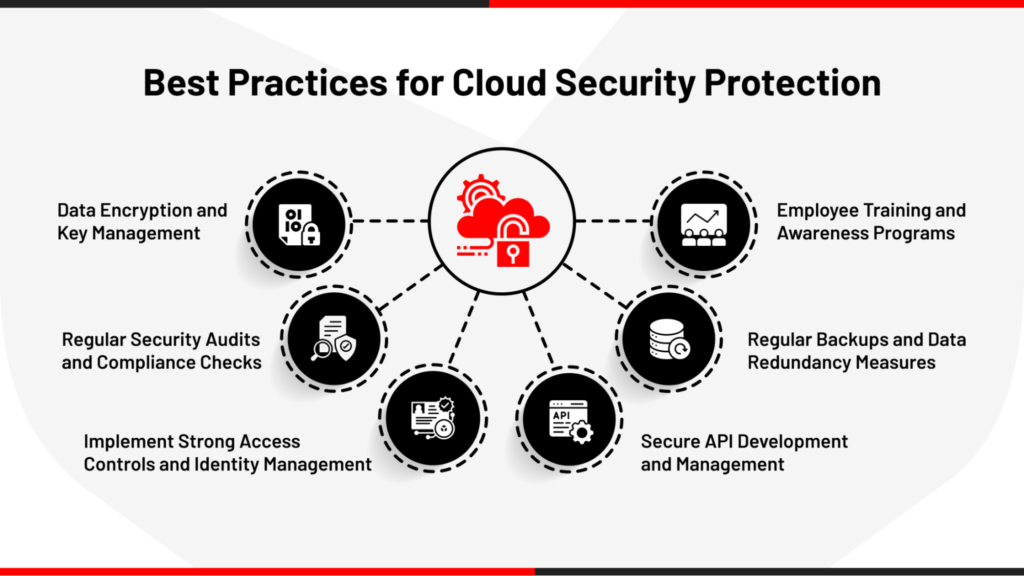
Best Practices for Implementing Cloud Security Solutions
Implementing cloud security solutions requires careful planning. First, businesses should assess their current security posture and identify gaps. This assessment helps prioritize investments and align security strategies with business goals.
Next, organizations should adopt a defense-in-depth approach. This involves using multiple layers of security controls, such as firewalls, encryption, and access management. Together, these layers provide comprehensive protection against diverse threats.
Finally, continuous training and awareness are essential. Employees play a crucial role in security. Regular training ensures that teams understand best practices and recognize potential risks. Combined with strong cloud security solutions, this creates a resilient security culture.
Future Trends in Cloud Security for Business Growth
Cloud security continues to evolve as technology advances. Zero trust security models are gaining popularity, emphasizing continuous verification of users and devices. This approach reduces reliance on traditional network boundaries.
Another emerging trend is the integration of security into development processes. Known as DevSecOps, this practice embeds security into application development from the start. Cloud security solutions support this by providing automated security checks and monitoring.
As businesses continue to innovate, cloud security will remain a strategic priority. Organizations that invest in advanced cloud security solutions will gain a competitive advantage by ensuring safe and scalable growth.
Conclusion: Building a Secure and Scalable Cloud Future
Cloud computing offers unmatched opportunities for business innovation and growth. However, these benefits come with increased security responsibilities. Advanced cloud security solutions provide the protection needed to operate safely in a dynamic digital landscape.
By adopting proactive security strategies, leveraging automation, and prioritizing compliance, businesses can reduce risks and build trust. Cloud security solutions not only protect assets but also enable scalability and long-term success.
Ultimately, a secure cloud environment empowers organizations to focus on what matters most: delivering value to customers and driving sustainable growth.