
Erectile dysfunction (ED) is a common concern affecting men of different ages, often linked to poor blood circulation, stress, sedentary lifestyle, or underlying health conditions. While medications are widely used, many men look for natural ways to support sexual health. Exercises that improve blood flow play a vital role in managing ED by enhancing circulation, strengthening pelvic muscles, and improving overall cardiovascular health. In some cases, doctors may recommend medical support such as Vidalista 40 mg along with lifestyle changes to achieve better and more consistent results. Combining targeted exercises with healthy habits can significantly improve erectile function over time.
Understanding the Role of Blood Flow in Erectile Function
An erection depends largely on proper blood flow to the penile tissues. When blood vessels are narrowed due to poor lifestyle choices, obesity, smoking, or lack of physical activity, it becomes difficult to achieve or maintain an erection. Regular exercise helps by improving heart health, reducing arterial stiffness, increasing nitric oxide production, and enhancing oxygen delivery throughout the body. This directly supports stronger and longer-lasting erections.
Kegel Exercises for Stronger Pelvic Muscles
Kegel exercises are among the most effective exercises for erectile dysfunction. They target the pelvic floor muscles, which support the bladder, bowel, and sexual function.
To perform Kegels:
-
Identify the muscles used to stop urination midstream.
-
Tighten these muscles for 3–5 seconds.
-
Relax for the same duration.
-
Repeat 10–15 times, 2–3 times daily.
Strengthening pelvic muscles improves blood trapping in the penis, helping maintain erections and improve ejaculation control.
Aerobic Exercises to Boost Circulation
Cardio exercises are essential for improving blood flow and heart health. Activities such as brisk walking, jogging, cycling, swimming, or skipping rope increase heart rate and improve vascular function.
Benefits of aerobic exercise for ED include:
-
Improved blood circulation
-
Reduced blood pressure
-
Lower cholesterol levels
-
Enhanced stamina and energy
Aim for at least 30 minutes of moderate aerobic exercise five days a week for noticeable improvements in erectile function.
Squats and Lower Body Strength Training
Squats engage large muscle groups in the legs and glutes, stimulating testosterone production and increasing blood flow to the pelvic region.
How to do squats:
-
Stand with feet shoulder-width apart.
-
Lower your body as if sitting on a chair.
-
Keep your back straight and knees aligned.
-
Push back up to standing position.
Perform 3 sets of 12–15 reps. Regular lower-body strength training enhances circulation and hormonal balance, both crucial for sexual performance.
Yoga Poses That Enhance Sexual Health
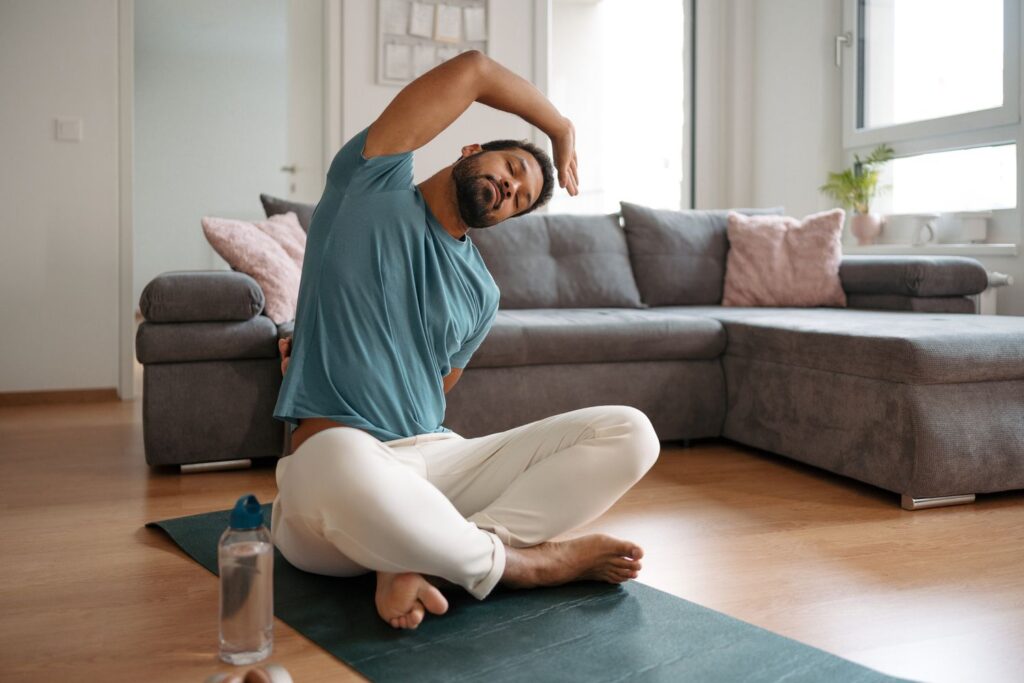
Yoga is excellent for reducing stress and improving flexibility, circulation, and hormonal balance. Certain poses are particularly beneficial for ED.
Effective yoga poses include:
-
Cobra Pose (Bhujangasana): Improves blood flow to pelvic organs.
-
Bridge Pose (Setu Bandhasana): Strengthens pelvic muscles and enhances circulation.
-
Boat Pose (Navasana): Improves core strength and testosterone levels.
-
Legs Up the Wall (Viparita Karani): Promotes blood flow to the lower body and reduces stress.
Practicing yoga daily can significantly improve both physical and psychological aspects of erectile dysfunction.
Pelvic Tilts for Improved Pelvic Control
Pelvic tilts strengthen the lower abdominal and pelvic muscles, improving erectile control.
Steps:
-
Lie on your back with knees bent.
-
Tighten your abdominal muscles and flatten your lower back.
-
Hold for 5 seconds and relax.
-
Repeat 10–15 times.
This exercise improves muscle coordination and blood flow in the pelvic area.
High-Intensity Interval Training (HIIT)
HIIT workouts alternate between short bursts of intense activity and rest periods. These workouts are highly effective in improving cardiovascular health and insulin sensitivity.
Examples include:
-
Sprinting for 30 seconds followed by walking
-
Jump squats with rest intervals
-
Burpees and mountain climbers
HIIT improves endothelial function, which directly impacts blood vessel dilation and erectile quality.
Stretching and Flexibility Exercises
Tight muscles restrict blood flow. Regular stretching, especially of the hips, thighs, and lower back, promotes better circulation to the pelvic region.
Key stretches:
-
Hip flexor stretch
-
Hamstring stretch
-
Butterfly stretch
Stretching also helps reduce stress and muscle tension that can interfere with sexual performance.
Lifestyle Habits That Support Exercise Results
Exercises work best when combined with healthy lifestyle choices:
-
Maintain a balanced diet rich in fruits, vegetables, lean proteins, and healthy fats
-
Quit smoking and limit alcohol consumption
-
Manage stress through meditation or deep breathing
-
Maintain a healthy body weight
-
Get 7–8 hours of quality sleep
These habits amplify the benefits of exercise and support long-term erectile health.
Consistency Is the Key
Results from exercises are not instant. Most men notice improvements within a few weeks to a few months of consistent effort. The key is regular practice and patience. Tracking progress and staying motivated can help maintain long-term benefits.
Final Thoughts
Natural exercises are a powerful way to improve blood flow, strengthen pelvic muscles, and enhance overall sexual performance. While exercise and lifestyle changes form the foundation of erectile health, some men may benefit from medical options such as Vidalista 20 mg when prescribed by a healthcare professional. Combining proper exercise routines with medical guidance can help restore confidence, improve intimacy, and support a healthier, more satisfying sex life.