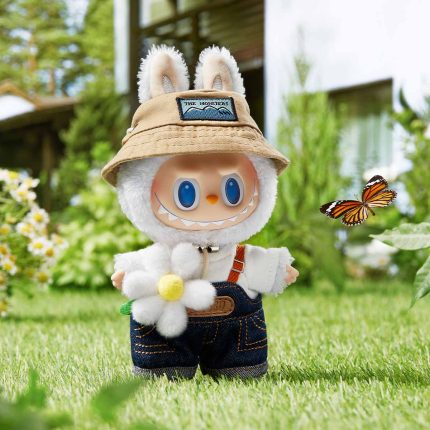

The American toy industry has undergone a remarkable transformation over the past two decades. What was once dominated by mass-produced action figures and cartoon-based merchandise has evolved into a vibrant cultural space where art, storytelling, and personal expression play a central role. Within this creative shift, the Labubu doll has emerged as an unexpected yet powerful symbol of the modern American toy movement. Labubu Though originally rooted in Asian designer toy culture, Labubu has found a strong and passionate following in the United States, where collectors and art enthusiasts alike celebrate its emotional depth, imaginative design, and artistic value.
The rise of Labubu in the United States reflects a broader change in how Americans view toys. No longer confined to childhood play, toys are now recognized as collectibles, art pieces, and cultural expressions. Labubu stands at the center of this shift, embodying the blend of whimsy, emotion, and craftsmanship that defines the new era of American toy culture.
The Evolution of the American Toy Landscape
For much of the twentieth century, American toys were shaped by television, movies, and large corporate brands. Action figures, dolls, and playsets were designed primarily for children and mass consumption. While creativity existed, it was often restricted by commercial expectations. However, as collectors grew older and nostalgia became a powerful force, the toy industry began to evolve.
In the early 2000s, designer toys started gaining attention in urban art circles across the United States. These toys were not meant to be played with in the traditional sense. Instead, they were displayed, collected, and appreciated as miniature sculptures. Artists began using vinyl figures as a medium for storytelling and emotional expression. This shift created fertile ground for characters like Labubu to gain recognition.
Labubu entered the American scene at a time when collectors were actively seeking something different from mainstream toy brands. Its expressive face, slightly mischievous personality, and handcrafted feel resonated with audiences who wanted toys that told a story rather than simply filled a shelf.
Labubu as a Symbol of Artistic Freedom
One of the main reasons Labubu fits so naturally into the modern American toy movement is its artistic freedom. Unlike traditional toys that follow strict design formulas, Labubu embraces imperfection, emotion, and individuality. Each version of the doll feels like a character with its own personality and mood.
American collectors are particularly drawn to this artistic authenticity. In a culture that values self-expression and originality, Labubu stands out as a figure that does not try to conform. Its unusual proportions, expressive eyes, and playful yet slightly dark aesthetic mirror the creative spirit found in contemporary American art scenes.
This connection to art rather than mass entertainment places Labubu in the same category as gallery-worthy designer toys. Many collectors view it not as a toy but as a form of modern sculpture. This perspective aligns closely with how the American toy movement has evolved, blurring the line between plaything and artwork.
The Role of Storytelling in Labubu’s Popularity
Another reason Labubu has found such strong acceptance in the United States is its storytelling power. American audiences have always been drawn to characters with depth, background, and emotion. Labubu’s design suggests curiosity, innocence, and a hint of mischief, allowing collectors to project their own interpretations onto the figure.
This open-ended narrative appeals to adult collectors who see toys as emotional objects rather than functional ones. In many American households, Labubu figures are displayed alongside art prints, books, and collectibles that reflect personal identity. The doll becomes part of a larger story about creativity, nostalgia, and self-expression.
The modern American toy movement thrives on this kind of emotional connection. Toys are no longer bought solely for children but for adults who want to reconnect with imagination while appreciating high-quality design.
Labubu and the Rise of Designer Toy Culture in the USA
The popularity of Labubu also reflects the growing influence of designer toy culture in the United States. Events such as art toy conventions, gallery exhibitions, and limited-edition releases have created a strong community of collectors who value exclusivity and craftsmanship.
Labubu fits perfectly into this world. Its limited releases and artistic collaborations make it highly desirable among American collectors. The excitement surrounding new designs mirrors the hype culture seen in sneakers and streetwear, where scarcity and originality drive demand.
This connection has helped Labubu become more than a collectible. It has become part of a lifestyle that celebrates creativity, individuality, and artistic risk-taking. In many ways, Labubu represents how far the American toy industry has come from its mass-produced roots.
Cultural Influence and Emotional Appeal
What truly sets Labubu apart in the modern American toy movement is its emotional appeal. The doll’s expressive features often evoke feelings of nostalgia, curiosity, and warmth. In a fast-paced digital world, these emotions hold powerful meaning for collectors seeking comfort and connection.
American audiences, in particular, have embraced toys that feel personal and emotionally resonant. Labubu’s design invites interpretation, allowing each collector to form a unique bond with the figure. LABUBU Box This emotional depth is a key reason why Labubu continues to gain popularity across the United States.
The doll also reflects a broader cultural shift toward appreciating handmade and artist-driven products. As consumers move away from mass production, they seek items that tell a story and carry artistic intention. Labubu fulfills this desire perfectly.
Labubu’s Place in the Future of American Toys
Looking ahead, Labubu’s influence on the American toy movement seems poised to grow even further. As the line between art, design, and collectibles continues to blur, toys like Labubu will play an increasingly important role in shaping how people define modern play and creativity.
The American market has shown a strong appetite for toys that challenge traditional definitions and celebrate artistic expression. Labubu’s success proves that there is room for emotionally rich, visually unique characters in an industry once dominated by commercial franchises.
As new generations of collectors emerge, Labubu is likely to remain a symbol of this creative transformation. Its blend of imagination, artistry, and emotional depth captures the essence of what the modern American toy movement represents.
Conclusion
Labubu Doll stands as a powerful example of how toys have evolved in the United States from simple playthings into meaningful cultural artifacts. Its rise within the modern American toy movement reflects a shift toward artistic expression, emotional connection, and individuality. By bridging the gap between art and collectibles, Labubu has earned its place as a defining figure in contemporary toy culture.
In a world where creativity and self-expression are more valued than ever, Labubu represents the future of toys in America. It is not just a doll but a symbol of how imagination, art, and storytelling can reshape an entire industry.