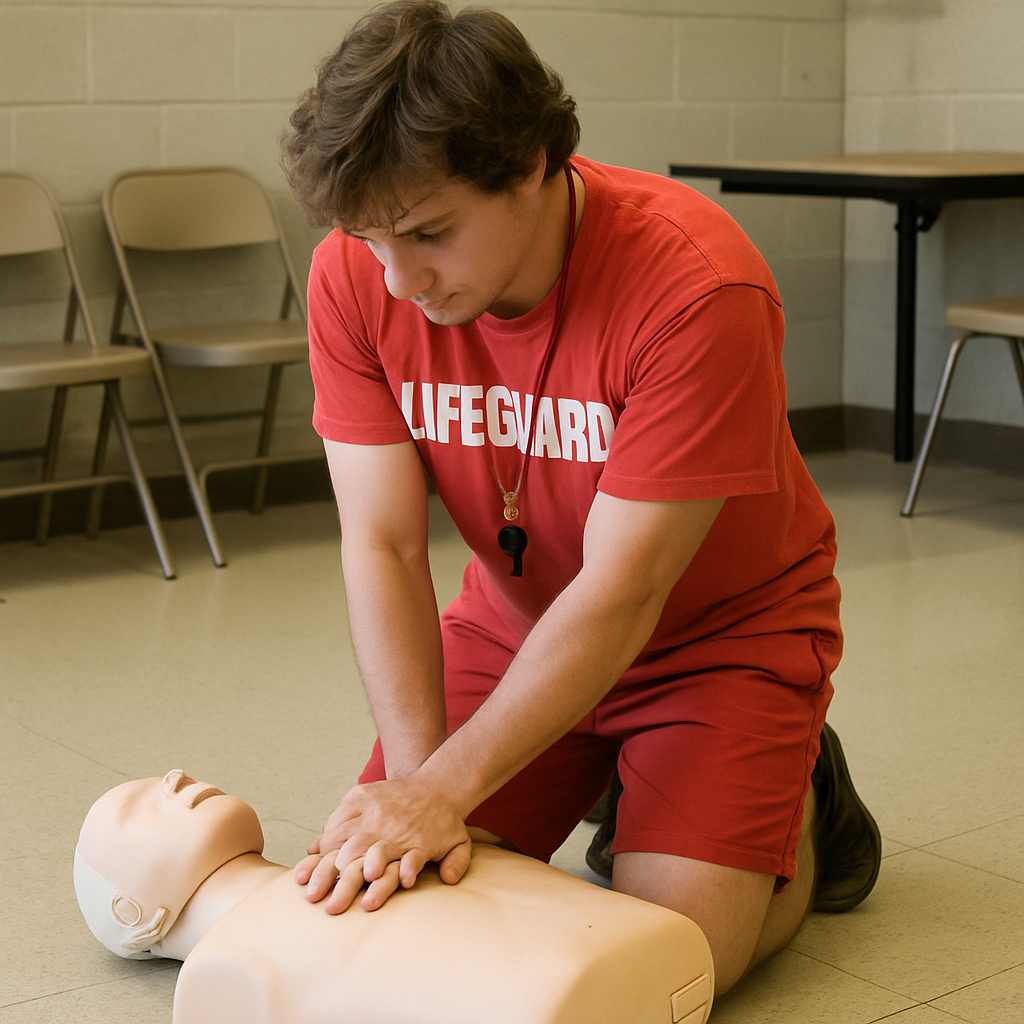

Lifeguard training is essential for keeping swimmers safe at pools, beaches, waterparks, and other aquatic facilities. It prepares lifeguards to prevent emergencies, respond quickly to distress, and provide lifesaving care when seconds matter. Most programs combine classroom instruction with hands-on water rescue practice, creating a well-rounded foundation for real-world lifeguarding.
Summary: Lifeguard training teaches surveillance, rescue skills, CPR/AED, first aid, and emergency response protocols. You’ll complete swim and fitness requirements, pass written and practical exams, and earn certification that typically lasts two years. This guide walks you through every step—from eligibility and course selection to passing assessments and maintaining your skills.
Lifeguard training usually includes written tests and practical evaluations to confirm skill readiness. Many courses cover updated CPR guidelines, emergency action plans, and rescue techniques for active and passive drowning victims. Whether you’re training for your first lifeguard job or building advanced safety skills, proper training is the key to becoming dependable and professional.
This guide will take you through everything you need to know to successfully complete lifeguard training and stay prepared for emergencies.
Understanding Lifeguard Training: Why It Matters
Lifeguard training plays a major role in preventing drowning and reducing injury risks in aquatic environments. Lifeguards are trusted as first responders, meaning their awareness and actions can protect lives before emergency services arrive. Training ensures lifeguards know how to recognize hazards, enforce rules, and respond correctly in stressful situations.
A major benefit of lifeguard training is skill refreshment and accuracy. Rescues are physically and mentally demanding, and training prepares lifeguards to act with confidence. Courses also update students on changing CPR and first aid guidelines, ensuring lifesaving skills remain current.
Benefits of Lifeguard Training:
• Keeps rescue and response skills sharp
• Builds confidence during real emergencies
• Improves awareness and scanning ability
• Ensures compliance with safety standards
• Enhances professional credibility and employment readiness
Completing lifeguard training is not only a requirement—it’s a commitment to public safety. Lifeguards who train well are more prepared, calm, and effective during high-risk situations.
When Should You Take Lifeguard Training?
The best time to begin lifeguard training depends on your employment goals and local requirements. Many people take lifeguard training before summer because pools and camps start hiring early. Planning ahead gives you more course options and increases your chances of getting hired quickly.
Most lifeguard courses have a minimum age requirement (often 15), and training is ideal once you can meet the swimming and physical fitness standards. If you wait too long, class seats may fill up during busy hiring seasons.
Important Timing Tips:
• Take training early before peak season
• Confirm minimum age requirements
• Schedule before hiring periods begin
• Allow time for practice and preparation
Starting training at the right time helps you build confidence and avoid rushed preparation. Early enrollment gives you time to practice swimming endurance, review CPR basics, and prepare for assessments.
Prerequisites and Eligibility for Lifeguard Training
Before enrolling, you must meet eligibility requirements to ensure you can safely perform rescues. These prerequisites vary by organization, but most follow similar standards. Knowing requirements in advance prevents delays and helps you prepare for success.
Most programs require strong swimming ability and completion of a pre-course swim test. You may also need proof of age eligibility and readiness for physical training drills. Training is hands-on, so physical capability is essential.
Common Prerequisites:
• Meet minimum age requirement
• Pass a pre-course swim test
• Be physically fit for rescue drills
• Commit to full participation in training sessions
Confirming your eligibility early makes the training process smoother. If you’re unsure about requirements, contact the provider or review the course details before registering.
Choosing the Right Lifeguard Training Course
Selecting the right course is one of the most important steps in your lifeguard journey. Different providers may offer slightly different training formats, but the goal is the same—prepare you for real rescue situations and certification success.
When choosing a lifeguard course, consider your work environment. Some courses focus on pools, while others prepare lifeguards for beach or open-water environments. The best course should match your future job setting and be accepted by employers.
Key Factors to Consider:
• Course format (in-person, blended, limited online theory)
• Type of environment (pool, beach, waterpark)
• Provider reputation and recognition
• Schedule flexibility and training hours
Choose a course that offers strong practical training—not just theory. A quality training program will include realistic rescue practice, CPR/AED evaluation, and emergency scenarios.
Preparing for Lifeguard Training: Study and Practice Tips
Preparation is the difference between barely passing and becoming confident. Start by reviewing basic water safety knowledge and practicing endurance swimming. Training includes physical assessments, so improving fitness beforehand will make your experience smoother.
You should also refresh your CPR and first aid understanding. Even simple familiarity with terms and steps can help you learn faster during class. The more prepared you are, the more confident you’ll feel during exams.
Study Tips for Lifeguard Training:
• Review CPR and first aid basics
• Learn rescue terminology in advance
• Understand drowning signs and scanning rules
• Read course materials before training begins
Practice Tips for Success:
• Swim regularly to build endurance
• Practice treading water for longer periods
• Improve strength and stamina through exercise
• Rehearse rescue steps with guided drills
Staying organized helps too. Create a simple schedule for practice and study, and focus on consistency rather than intensity. Preparation reduces stress and increases performance during training.
What to Expect During Lifeguard Training
Lifeguard training usually includes both classroom instruction and in-water skill development. You’ll learn how to prevent emergencies, respond to active drowning victims, assist passive victims, and provide emergency care until help arrives.
Most training courses include structured evaluations. You’ll complete rescue drills, CPR/AED practice, first aid scenarios, and emergency teamwork exercises. The goal is to ensure you can respond safely under pressure.
Typical Elements of Lifeguard Training:
• Swim and skill evaluations
• Written exam on safety protocols
• CPR and first aid practice
• Rescue scenarios and team response drills
Instructors provide feedback throughout the course. Use that feedback to improve technique, speed, and decision-making. Training is challenging—but it’s designed to make you reliable in real emergencies.
Key Skills and Knowledge Areas Covered in Lifeguard Training
Lifeguard training is more than rescue practice—it includes prevention, surveillance, emergency response planning, and medical intervention. You’ll learn to identify dangerous situations early, enforce rules, and communicate clearly with your team.
Rescue skills are a core focus, including approaches, carries, removals, and spinal injury response. You’ll also practice CPR/AED and first aid in realistic conditions, ensuring you can perform lifesaving care confidently.
Essential Lifeguard Skills:
• Water rescue techniques
• Swim endurance and victim transport
• Surveillance and zone scanning
• Emergency action plan procedures
Knowledge Areas Covered:
• CPR/AED protocols
• First aid procedures
• Emergency response decision-making
• Risk management and patron safety
Training strengthens both physical and mental readiness. Lifeguards must remain calm, focused, and effective under pressure, and training builds that ability through repetition and scenario drills.
Written Exams and Practical Assessments: How to Succeed
Most lifeguard training programs include a written exam and practical skill assessments. The written exam checks your understanding of safety rules, rescue steps, and emergency response procedures.
Practical testing verifies that you can perform rescues, remove victims safely, and deliver CPR/AED and first aid correctly. This part requires confidence and technique—regular practice is the key to success.
Tips to Pass Lifeguard Testing:
• Study course materials consistently
• Practice rescues regularly in training sessions
• Stay calm and follow steps in order
• Ask instructors for feedback and apply corrections
Mock exams and practice scenarios help you build confidence. The more comfortable you are with rescue steps and emergency sequences, the easier assessments become.
CPR, First Aid, and Emergency Response Training Updates
Lifeguard training includes CPR and first aid because lifeguards are often first responders in medical emergencies. Training helps you treat injuries, manage breathing emergencies, and respond to cardiac events.
Guidelines for CPR and first aid evolve, so training ensures your methods are up-to-date and aligned with current standards. You’ll practice skills repeatedly so they become automatic during emergencies.
Key Focus Areas:
• CPR and rescue breathing methods
• AED use and safety steps
• First aid for common aquatic injuries
• Managing cardiac and respiratory emergencies
Emergency response is also about judgment and control. Training teaches how to assess risk quickly, communicate effectively, and lead response efforts until EMS arrives.
Physical Fitness and Water Skills Requirements
Lifeguards must be physically capable of performing rescues in challenging conditions. Training includes swimming, endurance testing, treading water, and victim transport drills. Fitness ensures you can respond quickly and maintain control during emergencies.
Many courses include a swim test and physical evaluation. These confirm you can handle extended rescues and remain effective when tired.
Focus Areas:
• Endurance swimming
• Effective rescue strokes
• Quick and safe victim transport
• Deep-water comfort and treading strength
Fitness also supports mental clarity. Strong conditioning helps you stay calm and focused during emergencies, improving both safety and performance.
After Training: Maintaining Your Lifeguard Skills and Certification
Completing lifeguard training is the beginning—not the end. Lifeguards must continue practicing to stay sharp. Skills fade when not used, so regular drills and refreshers are important.
Ongoing learning also helps lifeguards stay updated with safety protocols and emergency response standards. Staying proactive makes recertification easier and keeps you confident on duty.
Best Ways to Maintain Skills:
• Attend in-service training sessions
• Participate in workshops and refreshers
• Practice rescue drills and CPR regularly
• Stay updated with safety guidelines
Keep track of your training hours and certification dates. Staying organized ensures you remain compliant and ready for future renewals.
Frequently Asked Questions About Lifeguard Training
How Long Does Lifeguard Training Take?
Most lifeguard training courses last 20–30 hours, depending on the provider and course format.
How Much Does Lifeguard Training Cost?
Costs vary by location and training provider, but most programs range from $150 to $350.
Can Lifeguard Training Be Completed Online?
Some providers offer online learning for theory, but skills testing and rescue evaluations must be completed in person.
What Happens If I Fail the Swim Test?
Many programs allow retesting. Practicing endurance and treading water ahead of time increases your chances of passing.
Key Recap for Training Success:
• Confirm course requirements early
• Practice swimming and rescue skills before training
• Study CPR and first aid steps consistently
• Stay calm during assessments and follow procedures
Understanding the process makes training easier and less stressful. Preparation and consistency are the keys to success.
Conclusion: Staying Prepared and Professional as a Lifeguard
Lifeguard training is not just a certification requirement—it’s an essential step toward saving lives. Training builds prevention skills, rescue readiness, and emergency medical ability so lifeguards can act confidently under pressure.
By taking training seriously and practicing consistently, you develop the habits and professionalism needed to protect swimmers and respond effectively to emergencies. Lifeguard training is your foundation for a trusted and respected safety role.
Author Bio
Benjamin Owen Leo is a water safety writer and lifeguard training content specialist focused on lifeguard education, drowning prevention, and professional safety standards. He creates people-first guides that help lifeguards understand certification, recertification, CPR/AED readiness, rescue techniques, and workplace compliance for aquatic facilities.
Must Visit: Coucumhal