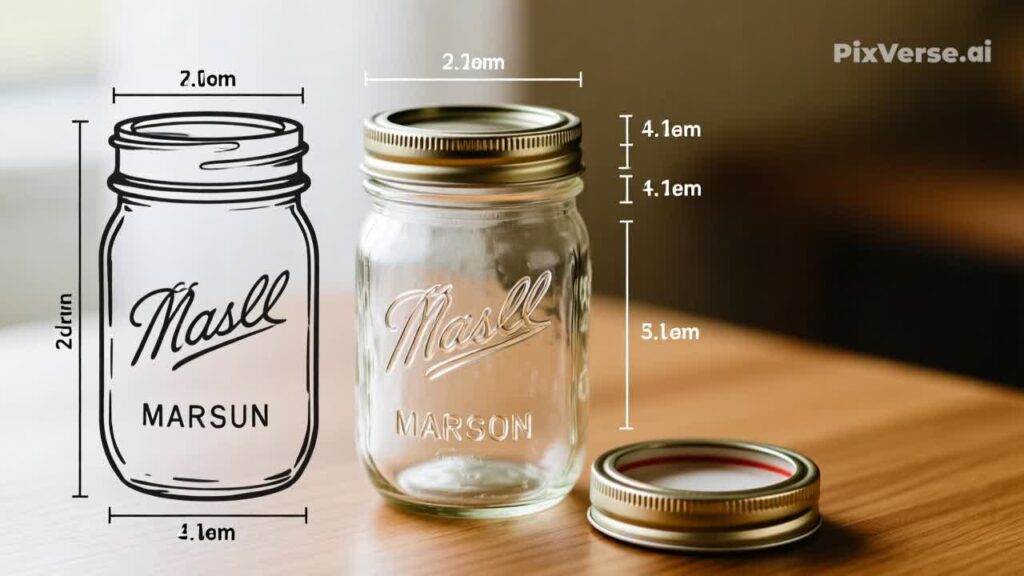

Mason jars are more than simple glass containers. From home canning and food storage to candles, drinks, and custom packaging, knowing mason jar specifications helps you choose the perfect jar for your needs. This guide breaks everything down in a simple, practical way.
Whether you’re a business owner, DIY enthusiast, or home canner, you’ll find clear answers here.
What Is a Mason Jar?
A mason jar is a glass jar with a screw-thread mouth, designed to work with airtight lids. Originally created for food preservation, mason jars are now used across many industries.
Key Features
-
Durable glass construction
-
Reusable and eco-friendly
-
Airtight sealing lids
-
Available in multiple sizes and mouth types
Standard Mason Jar Specifications
Understanding basic mason jar specifications ensures the right fit for storage, labeling, and packaging.
Material
-
Soda-lime glass
-
Food-safe and non-toxic
-
Transparent or lightly tinted
Shape
-
Cylindrical body
-
Straight or slightly tapered sides
Mouth Types
Mason jars come in two standard mouth sizes:
Regular Mouth
-
Diameter: ~70 mm
-
Best for liquids, jams, and sauces
Wide Mouth
-
Diameter: ~86 mm
-
Ideal for dry foods, fruits, and easy filling
Mason Jar Sizes and Capacities
Here’s a quick overview of the most common mason jar sizes:
Small Mason Jars
-
4 oz (118 ml): Spices, samples, favors
-
8 oz (237 ml): Jams, candles, desserts
Medium Mason Jars
-
12 oz (355 ml): Drinks, sauces
-
16 oz / Pint (473 ml): Honey, salsa, beverages
Large Mason Jars
-
24 oz (710 ml): Smoothies, snacks
-
32 oz / Quart (946 ml): Pickles, soups
-
64 oz / Half-Gallon (1.9 L): Bulk storage, fermentation
Mason Jar Dimensions (Approximate)
| Size | Height | Diameter |
|---|---|---|
| 4 oz | 2.3 in | 2.1 in |
| 8 oz | 3.7 in | 2.9 in |
| 16 oz | 5.2 in | 3.2 in |
| 32 oz | 6.9 in | 3.9 in |
| 64 oz | 9.0 in | 4.3 in |
Dimensions may vary slightly by manufacturer.
Mason Jar Lid Specifications
Standard Lid Types
-
Two-piece metal lids (flat lid + screw band)
-
BPA-free plastisol sealing compound
Alternative Lid Options
-
Plastic storage lids
-
Bamboo lids
-
Pour spout lids
-
Straw lids
Common Uses of Mason Jars
Mason jars are incredibly versatile.
Food & Beverage
-
Canning fruits and vegetables
-
Storing dry goods
-
Smoothies and cold brew
Business & Packaging
-
Candle jars
-
Cosmetic containers
-
Custom product packaging
Home & DIY
-
Crafts and décor
-
Bathroom storage
-
Wedding favors
How to Choose the Right Mason Jar Size
Ask yourself:
-
What product are you storing?
-
Do you need easy access (wide mouth)?
-
Is labeling or branding important?
-
Will it be heated or frozen?
Pro Tip: Wide-mouth jars are easier for packaging and cleaning.
Are Mason Jars Safe for Canning?
Yes but only when used correctly.
-
Safe for water-bath canning
-
Some sizes suitable for pressure canning
-
Not recommended for sudden temperature changes
Always follow approved canning guidelines.
FAQ: Mason Jar Specifications & Sizes
What are the standard mason jar sizes?
The mason jar size are 4 oz to 64 oz, with 16 oz and 32 oz being the most popular.
What is the difference between regular and wide mouth mason jars?
Regular mouth jars have a smaller opening, while wide mouth jars are easier to fill and clean.
Are mason jars food-safe?
Yes, mason jars are made from food-grade glass and are safe for food storage.
Can mason jars be reused?
Absolutely. They are reusable, eco-friendly, and durable.
Which mason jar size is best for candles?
The 8 oz and 12 oz mason jars are most commonly used for candles.
Final Thoughts: Choose the Right Mason Jar with Confidence
Understanding mason jar sizes helps you make smarter choices for storage, packaging, or business use. With the right size and mouth type, mason jars offer durability, versatility, and style.
Need custom packaging or bulk mason jars? Choose the right size today to protect and present your products professionally.
