Building a mobile app sounds exciting, but once you start asking questions about cost, timelines, and development, things can get confusing fast. Many business owners jump in with a rough idea and end up surprised by delays or unexpected expenses. That usually happens because they don’t fully understand how mobile app development services actually work.
This blog breaks it down in a simple, realistic way. No heavy tech talk. Just clear answers about costs, the development process, and what you should expect when working with professional application development services.
How Much Do Mobile App Development Services Cost?
The cost of a mobile app depends on what you want it to do. A basic app with limited features will naturally cost less than a complex platform with payments, real-time data, and third-party integrations.
In general, simple apps with a few screens and basic functionality fall on the lower end of the budget. Medium-complexity apps, such as those with user accounts, dashboards, and APIs, require more development time and cost more. Highly complex apps with custom features, heavy backend logic, or integrations like payment gateways and CRMs need a higher investment.
Several factors influence the final price. Features play the biggest role, followed by platform choice (iOS, Android, or both), custom UI/UX design, backend infrastructure, and testing. Many businesses also forget to account for post-launch maintenance, which is essential for updates, bug fixes, and performance improvements.
A smart way to manage cost is to start with an MVP. Instead of building everything at once, you focus on core features, launch faster, and improve the app based on real user feedback.
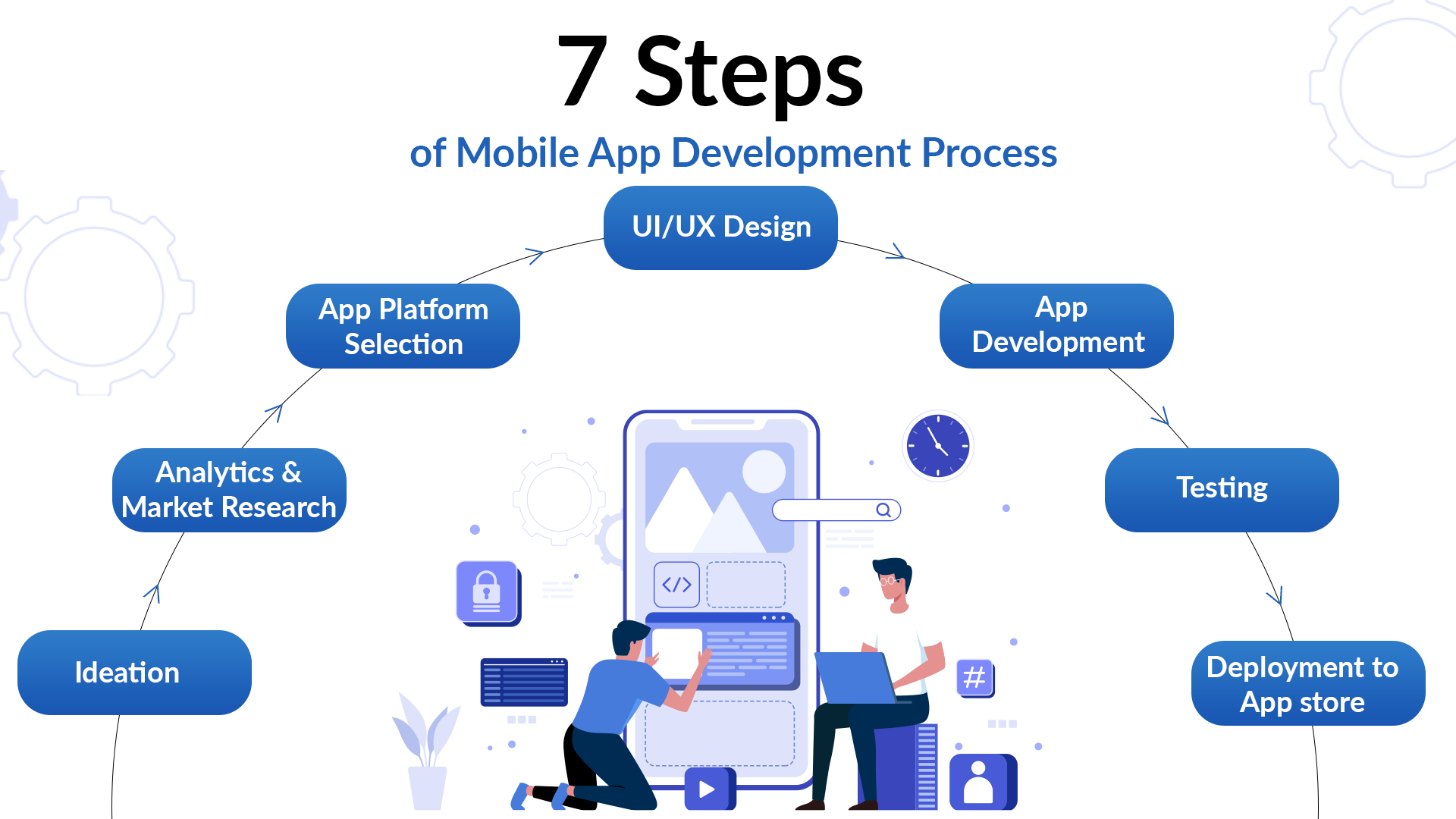
The Mobile App Development Process: Step by Step
Understanding the process helps you avoid surprises. Professional mobile app development services usually follow a structured workflow.
1. Discovery and planning
This is where ideas turn into a clear plan. The team gathers requirements, understands your users, and defines app goals. You’ll discuss:
-
Target audience
-
Core features
-
Platforms and technology
-
Timeline and budget
Skipping this step often leads to delays and rework later.
2. UI/UX design
Design comes before development. Designers create wireframes and clickable prototypes showing how the app will look and feel.
Good design isn’t just about looks. It focuses on:
-
Easy navigation
-
Clear user flows
-
Fast task completion
This stage saves money by fixing usability issues early.
3. App development
Now the actual coding begins. Developers work on:
-
Frontend – what users see and interact with
-
Backend – servers, databases, APIs
-
Integrations – external tools and services
Most teams work in sprints, sharing progress regularly so you’re never in the dark.
4. Testing and quality assurance
Every feature is tested across devices, screen sizes, and operating systems. Bugs are fixed, performance is optimized, and security is checked.
Skipping QA is one of the biggest mistakes businesses make.
5. Deployment and launch
Once approved, the app is prepared for app store submission. This includes:
-
App store guidelines
-
Metadata and screenshots
-
Final builds and approvals
After launch, the app goes live for users.
6. Post-launch support and maintenance
Apps need care after release. Updates, OS compatibility, feature enhancements, and bug fixes are ongoing. Reliable application development services always include long-term support options.
What You Should Expect From a Development Partner
When you hire a reliable development company, you should expect clear communication and transparency. A good team will share timelines, explain technical decisions in simple terms, and keep you involved throughout the process.
You should also receive proper documentation and ownership of your source code. Post-launch support is another key expectation, as apps require updates to stay functional and secure over time.
Be cautious of teams that offer unrealistically low prices, vague timelines, or poor communication. These are common signs of trouble later.
Choosing the Right Engagement Model
Development companies usually offer fixed-price, time-and-material, or dedicated team models. Fixed pricing works well when requirements are clear. Time-and-material offers flexibility if your app may evolve. A dedicated team is best for long-term or growing products.
The right choice depends on your budget, timeline, and how much flexibility you need during development.
Quick Checklist Before You Start
Before hiring a development partner, make sure you’ve answered:
-
What problem does the app solve?
-
Who is the end user?
-
What features are must-have vs nice-to-have?
-
What is the long-term vision for the app?
-
How will success be measured?
Clear answers lead to smoother development.
FAQs
How long does mobile app development take?
Most apps take between three to six months, depending on complexity and features.
Is it better to build for one platform first?
Yes. Starting with one platform can reduce cost and speed up launch.
Do apps need maintenance after launch?
Yes. Regular updates, bug fixes, and performance improvements are necessary.
Can I add features later?
Absolutely. Most apps grow gradually after launch based on user feedback.
Final Thoughts
Understanding costs and processes upfront helps you avoid expensive mistakes and delays. With the right planning and the right partner, mobile app development services can deliver long-term value for your business.
If you’re looking for practical guidance and reliable application development services, LBM Solution helps businesses build scalable, user-friendly mobile apps without unnecessary complexity. Let’s turn your app idea into something real and usable.