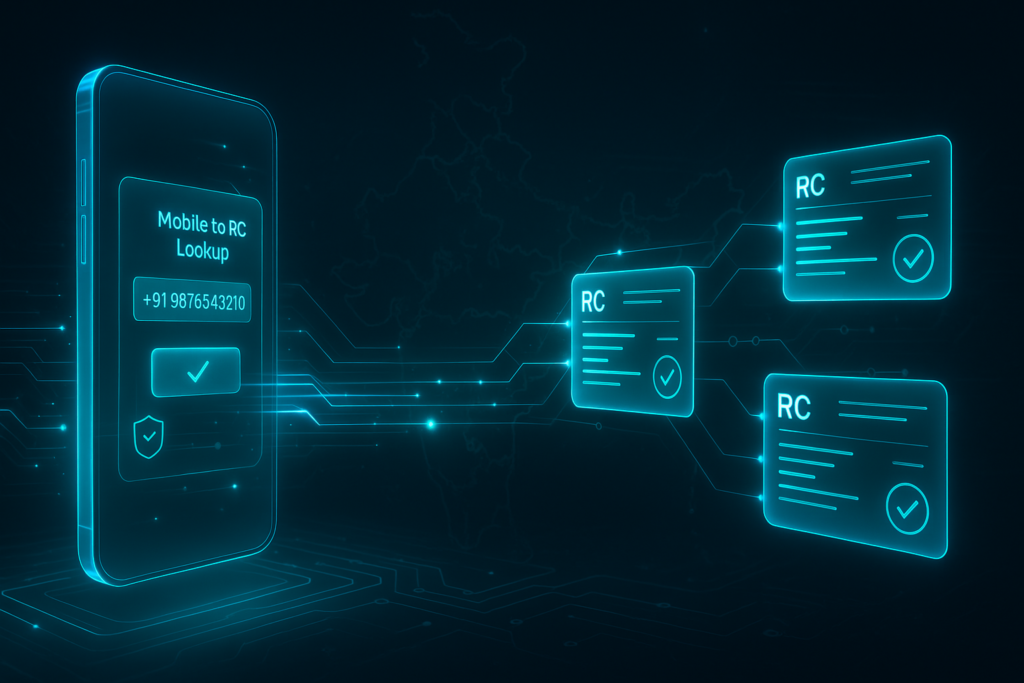

Fleet management has become more complex as logistics, mobility, and transportation platforms scale operations across regions. Managing thousands of vehicles while staying compliant with regulatory requirements is no longer possible through manual checks alone. This is where Mobile to RC API plays a critical role in enabling smart fleet management and timely compliance alerts.
By fetching vehicle Registration Certificate details using a mobile number, fleet operators can verify vehicles faster, maintain accurate records, and automate compliance monitoring across their operations.
Why Fleet Management Needs Smarter Verification
Fleet operators onboard vehicles from multiple sources, including individual owners, small transporters, and large fleet partners. Vehicle details often change due to ownership transfers, permit updates, or registration renewals.
Manual verification of RC documents leads to delays, data gaps, and compliance risks. Mobile to RC verification helps fleet platforms confirm vehicle identity early and keep records up to date without repeated document collection.
What Mobile to RC API Means for Fleet Platforms
Mobile to RC API allows fleet and logistics platforms to retrieve vehicle registration details using a driver’s or owner’s mobile number. Instead of relying on physical RC copies, the system fetches verified vehicle data from trusted records.
This ensures that vehicles linked to fleet operations are correctly identified and associated with valid contact details.
How Mobile to RC API Works
The API processes a mobile number and returns the associated vehicle RC details where available. The response includes structured information such as registration number, vehicle class, fuel type, registration status, and basic ownership indicators.
This data can be integrated into fleet management systems, dashboards, and compliance engines in real time.
Faster and More Reliable Vehicle Onboarding
Fleet growth depends on quick vehicle onboarding. Mobile to RC API enables instant vehicle identification without waiting for document uploads or manual verification.
Faster onboarding allows fleet operators to scale capacity quickly while maintaining verification standards. Vehicles can be approved and activated with minimal friction.
Improving Data Accuracy Across Fleet Systems
Fleet operations depend on accurate vehicle data for dispatching, billing, reporting, and compliance. Inconsistent or outdated RC information can cause operational errors.
Mobile to RC verification ensures standardized vehicle data across systems. Clean data improves coordination between operations, finance, and compliance teams.
Enabling Automated Compliance Alerts
Compliance is a continuous challenge in fleet management. Vehicle registration expiry, permit issues, or invalid records can lead to penalties or service disruptions.
Mobile to RC API supports compliance monitoring by providing verified registration status. Fleet platforms can trigger automated alerts for vehicles with inactive or expiring registrations, helping teams take action before issues arise.
Strengthening Regulatory Compliance
Transport regulations require fleet operators to maintain valid vehicle documentation. Mobile to RC verification helps ensure that only legally registered vehicles are part of active operations.
Verified RC data simplifies audits and reduces the risk of regulatory non-compliance. This is especially important for large fleets operating across multiple states.
Supporting Fraud Prevention and Risk Control
Fraud in fleet operations often involves unauthorized vehicles, fake RC documents, or misrepresented ownership details. Mobile to RC API helps detect such risks early.
By validating RC details directly from verified records, fleet platforms can flag suspicious vehicles before they enter operations, reducing financial and reputational risk.
Better Driver and Vehicle Mapping
Accurate mapping between drivers and vehicles is essential for accountability. Mobile to RC verification ensures that vehicles assigned to drivers are properly verified and traceable.
This improves incident resolution, dispute handling, and operational transparency.
Reducing Manual Effort and Operational Costs
Manual RC verification requires staff time, document storage, and repeated follow-ups. Mobile to RC API automates verification and reduces operational workload.
Automation allows fleet companies to scale operations without increasing verification teams or compliance overhead.
Use Cases Across Fleet and Logistics Operations
Last-mile delivery platforms use Mobile to RC API to verify two-wheelers and small commercial vehicles quickly. Long-haul logistics companies use it to validate trucks and transport vehicles before deployment.
Ride-hailing and mobility platforms also rely on Mobile to RC verification to ensure vehicle compliance and safety.
Future Role of Mobile to RC API in Smart Fleet Management
As fleet management becomes more data-driven, automated verification and compliance monitoring will become standard. Mobile to RC API supports scalable, secure, and intelligent fleet operations.
Early adoption enables fleet operators to improve compliance, reduce risk, and deliver reliable services at scale.
Conclusion
Mobile to RC API is a key enabler of smart fleet management and compliance automation. It improves vehicle verification, supports real-time compliance alerts, reduces fraud risk, and lowers operational costs.
For fleet and logistics platforms focused on scale, safety, and regulatory adherence, Mobile to RC API is a foundational component of modern fleet management systems.