

For many learner drivers, the theory test feels just as stressful as the practical one. Even when learners understand the rules of the road, uncertainty and pressure often affect confidence. The fear of timed questions, unfamiliar formats, and one-off test conditions can make preparation feel overwhelming. This is where mock theory tests play an important role. By practising in a structured way through driving apps, learners gain familiarity, confidence, and mental readiness. Mock tests help turn knowledge into trust, making learners feel calmer and more prepared before the real theory test.
What the UK Driving Theory Test Involves
The UK driving theory test is designed to assess a learner’s understanding of road rules and their ability to recognise hazards. It has two main parts: multiple-choice questions and hazard perception clips. Both sections are timed, which adds pressure for many learners.
The multiple-choice section tests knowledge of traffic signs, rules, and safe driving behaviour. Hazard perception measures how quickly and accurately learners identify developing hazards. Success depends not only on knowing the correct answers but also on staying calm and focused throughout the test. Understanding this structure is the first step towards confident preparation.
Why Many Learners Lack Confidence Before the Theory Test
A lack of confidence often comes from uncertainty rather than poor knowledge. Many learners revise by reading books or notes, but never test themselves under real conditions. As a result, they are unsure how they will perform when the clock is ticking.
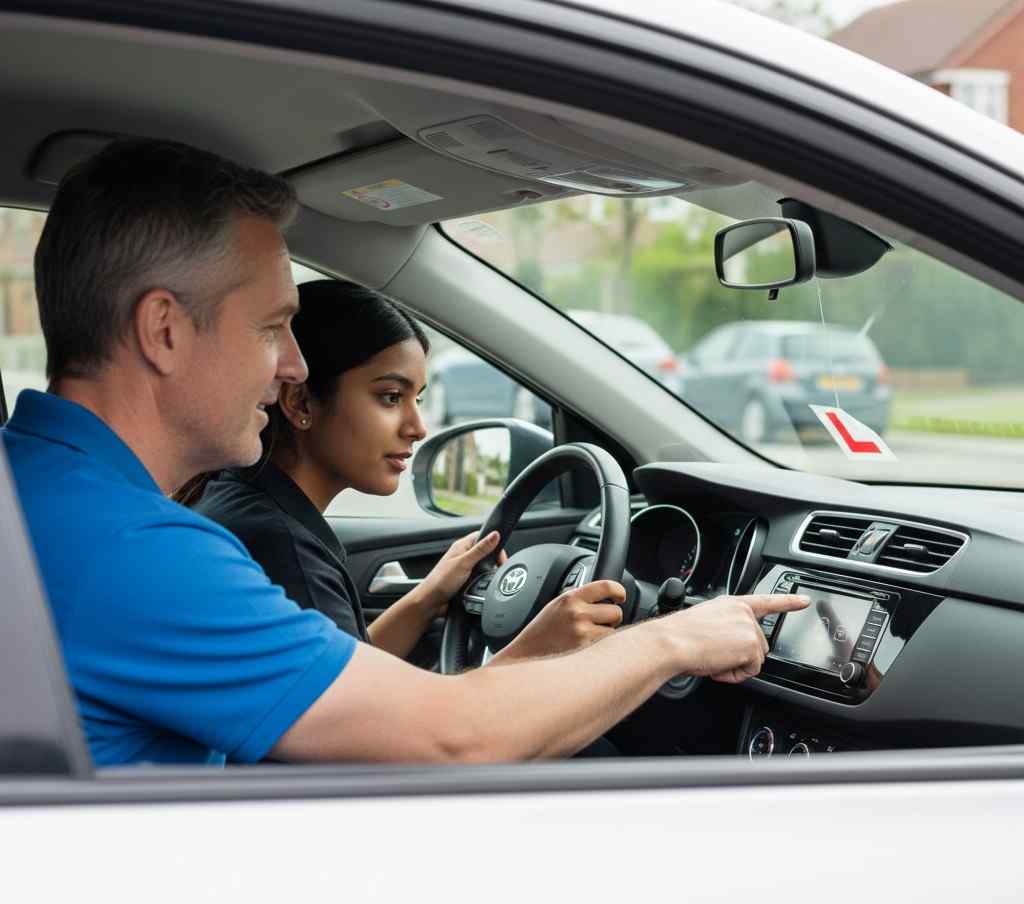
Timed pressure, fear of failure, and unfamiliar question styles all contribute to anxiety. Some learners feel confident while revising but lose focus during practice tests. Without regular testing, it becomes difficult to trust one’s own readiness.
The Link Between Practice and Confidence
Confidence grows through familiarity. The more often learners practise in test-like conditions, the more comfortable they become. Active practice builds trust in one’s own ability to answer questions accurately and manage time.
Reading information helps build knowledge, but testing that knowledge builds confidence. When learners repeatedly complete mock tests, they learn how questions are structured and how long they can spend on each section. This repeated exposure removes uncertainty and builds mental control.
What Mock Theory Tests Are Designed to Do
- Mirror the real test format and timing
- Familiarise learners with question styles
- Measure true test readiness
- Highlight weak areas early
- Build decision-making under pressure
How Driving Apps Deliver Mock Theory Tests
Driving apps provide mock theory tests in a digital format that is easy to access and repeat. Tests are usually timed, helping learners practise pacing and concentration. Results are given immediately, allowing learners to see where they performed well and where improvement is needed.
Apps also store results over time, making it easier to track progress. This ongoing record helps learners see improvement clearly rather than relying on memory or guesswork. Using an App for Driving Test allows learners to practise consistently without needing separate materials.
How Mock Theory Tests Build Learner Confidence
Mock theory tests reduce fear by making the test environment familiar. When learners know what to expect, anxiety naturally decreases. Repeated testing helps learners trust their knowledge and feel more in control.
Each completed mock test reinforces readiness. Even when mistakes occur, learners gain confidence by understanding where they went wrong and how to improve. Over time, this process replaces doubt with certainty.
Mental Benefits of Regular Mock Testing
- Builds calmness through familiar routines
- Reduces fear of the real test
- Improves focus under timed conditions
- Lowers stress-related mistakes
Using Mock Tests to Identify Weak Knowledge Areas
One of the biggest advantages of mock tests is their ability to highlight weak areas clearly. Patterns begin to appear when learners review results. Certain topics or question types may cause repeated mistakes.
This insight allows learners to revise with purpose. Instead of revising everything equally, they can focus on specific areas that need attention. This targeted approach improves confidence and saves time.
Mock Tests vs Reading and Notes
| Aspect | Reading and Notes | Mock Theory Tests |
| Purpose | Helps understand concepts and rules | Tests knowledge in exam-style conditions |
| Pressure handling | No time pressure | Practised under timed conditions |
| Recall testing | Passive revision | Active recall and decision-making |
| Real test similarity | Limited | Very close to real test experience |
| Readiness check | Difficult to measure | Provides a clear indication of readiness |
Preparing for Hazard Perception Through Mock Tests
Hazard perception is often challenging because it requires good timing and judgement. Learners must recognise developing hazards and respond correctly without clicking too early or too often.
Mock hazard perception tests help learners understand scoring rules and timing. With regular practice, learners develop better rhythm and anticipation. Familiarity with video clips reduces uncertainty and builds confidence in this section.
Keeping Theory Preparation Consistent Using Apps
Consistency is key to effective theory preparation. Short, regular practice sessions are more effective than last-minute revision. Apps make it easier to practise daily without feeling overwhelmed.
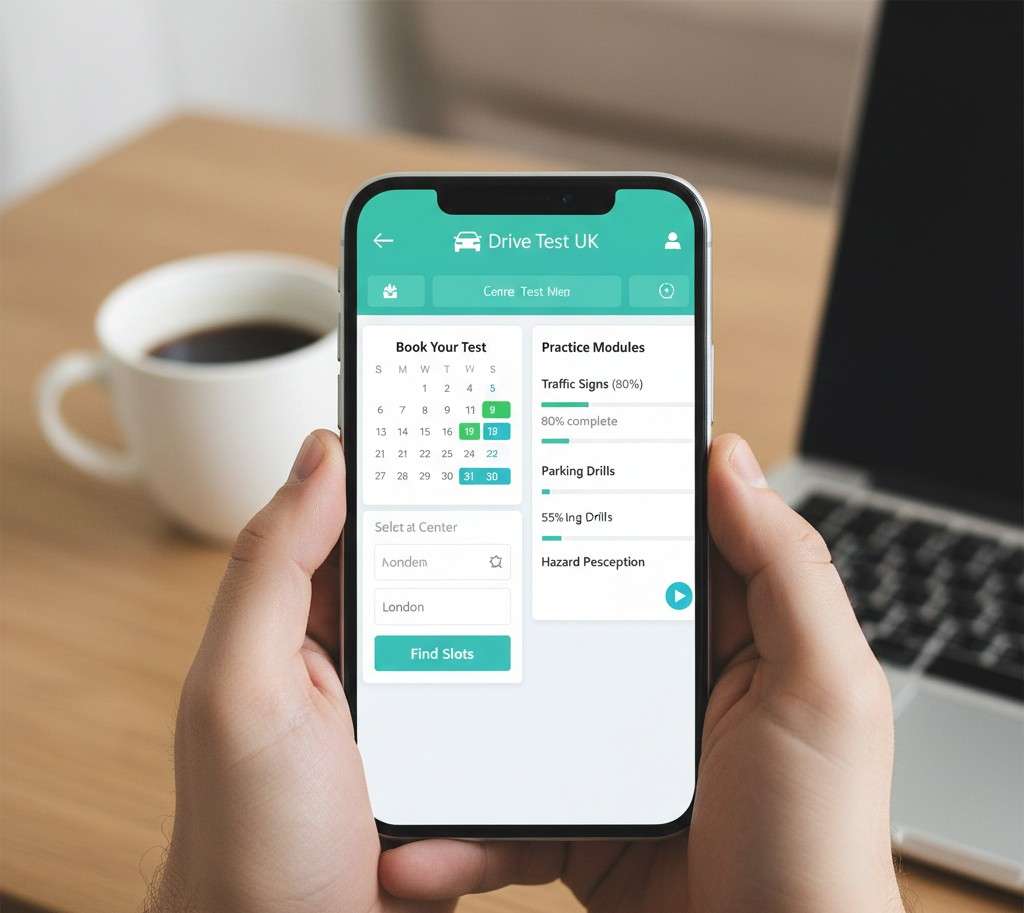
By tracking progress digitally, learners can maintain motivation and avoid long gaps in preparation. This steady routine helps confidence grow naturally over time.
Common Theory Test Mistakes: Mock Tests Help Reduce
- Relying on confidence without testing readiness
- Ignoring difficult or weak topics
- Poor time management during the test
- Feeling panicked on the actual test day
Choosing a Driving App That Supports Confidence
The best driving apps are simple and focused. Clear layouts, realistic mock tests, and helpful feedback make preparation easier. Overly complex apps can distract learners and reduce focus.
A good app should support confidence by keeping preparation organised and easy to follow. Familiar tools help learners feel comfortable and in control throughout their revision period.
Conclusion
Confidence in the theory test comes from preparation that feels structured, familiar, and calm. Mock theory tests help learners move beyond uncertainty by practising under realistic conditions. Over time, repeated testing builds trust in one’s own knowledge and ability to perform under pressure. When supported by a well-designed app, theory preparation becomes easier to manage and less stressful. Tools like App for Driving Test support this structured approach, helping learners feel confident, prepared, and ready when test day arrives.