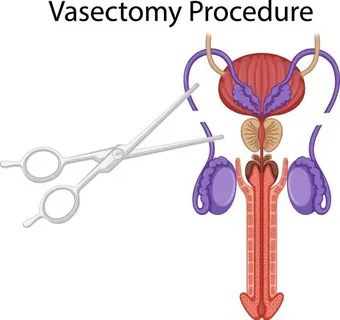

No scalpel vasectomy (NSV) has become the gold standard for male sterilization, primarily because of its minimally invasive nature, reduced complications, and faster recovery compared to traditional vasectomy techniques. One of the most critical aspects of patient experience during and after NSV is pain management. Multimodal pain management strategies have gained attention in urology as they optimize comfort, reduce reliance on systemic medications, and facilitate quicker return to normal activities. This article explores the principles, strategies, and benefits of multimodal pain management specifically tailored for NSV patients.
Understanding Pain in No Scalpel Vasectomy
Pain during and after NSV can be divided into three primary types:
- Intraoperative Pain: Discomfort during the procedure, usually managed with local anesthesia.
- Immediate Postoperative Pain: Acute pain within the first 24–48 hours, often related to tissue manipulation and inflammation.
- Delayed or Chronic Pain: Rarely, some patients may experience prolonged discomfort due to nerve irritation or hematoma formation.
Because no scalpel vasectomy is minimally invasive, the intensity of pain is generally lower than traditional vasectomy. However, patient perception of pain varies, and effective management is essential to ensure satisfaction and adherence to post-operative care instructions.
Principles of Multimodal Pain Management
Multimodal pain management combines multiple therapeutic strategies to target different pain pathways simultaneously. This approach offers several advantages:
- Reduced Reliance on Opioids: By using various non-opioid methods, patients experience effective pain relief with fewer systemic side effects.
- Synergistic Effect: Combining local, systemic, and non-pharmacologic interventions enhances overall pain control.
- Faster Recovery: Well-controlled pain encourages early mobilization, reducing swelling and promoting faster wound healing.
In NSV, multimodal pain management typically involves a combination of local anesthesia, non-steroidal anti-inflammatory drugs (NSAIDs), acetaminophen, and adjunctive therapies such as ice application and scrotal support.
Local Anesthetic Techniques
Local anesthesia is the cornerstone of pain control during NSV. Several techniques are used to optimize intraoperative comfort:
1. Perivascular Block
A perivascular nerve block targets the nerves surrounding the vas deferens. By injecting anesthetic around the vas rather than directly into it, surgeons can achieve effective analgesia while minimizing tissue trauma. This approach also reduces the need for supplemental injections, lowering patient discomfort.
2. Low-Volume, High-Concentration Local Anesthesia
Using a smaller volume of highly concentrated anesthetic provides potent analgesia with less tissue swelling. This technique allows precise delivery of anesthetic to the target area while reducing diffusion to surrounding tissues, minimizing post-procedure tenderness.
3. Preemptive Local Anesthesia
Administering local anesthesia prior to the initial incision reduces nociceptive signaling during the procedure. Preemptive analgesia not only improves intraoperative comfort but can also decrease post-operative pain intensity.
Systemic Pharmacologic Management
NSAIDs, acetaminophen, and, in select cases, short courses of opioids, form the pharmacologic backbone of multimodal pain control after NSV.
- NSAIDs: Drugs like ibuprofen or naproxen reduce inflammation and alleviate pain at the surgical site. They are typically administered before and after the procedure for optimal effect.
- Acetaminophen: Provides complementary analgesia without anti-inflammatory effects. Combining acetaminophen with NSAIDs often results in superior pain control compared to either medication alone.
- Opioids: Rarely required for NSV, opioids may be reserved for patients with higher pain sensitivity or complicated procedures. Multimodal strategies often allow for opioid-sparing approaches.
Adjunctive Non-Pharmacologic Strategies
In addition to pharmacologic interventions, several non-drug strategies enhance recovery and minimize discomfort:
1. Scrotal Support
A supportive jockstrap or snug underwear reduces movement and tension on the wound, minimizing post-operative pain and swelling.
2. Cold Therapy
Applying ice packs during the first 24–48 hours helps control inflammation and provides analgesic effects through vasoconstriction and reduced nerve signaling.
3. Early Mobilization
Gentle activity and avoidance of prolonged bed rest improve circulation, reduce edema, and promote faster healing.
4. Patient Education
Educating patients about expected discomfort, proper scrotal support, and safe activity levels empowers them to participate actively in their recovery and reduces anxiety-related pain amplification.
Benefits of Multimodal Pain Management in NSV
Implementing a multimodal pain management strategy in NSV has several advantages:
- Enhanced Patient Comfort: Combining local, systemic, and adjunctive therapies ensures consistent pain relief, improving overall patient experience.
- Reduced Recovery Time: Effective analgesia allows patients to resume daily activities sooner, which supports faster healing and decreases complications such as hematoma formation.
- Lower Risk of Chronic Pain: Well-controlled acute pain may reduce the likelihood of persistent post-vasectomy pain syndrome (PVPS), a rare but significant complication.
- Minimized Medication Side Effects: Opioid-sparing strategies reduce nausea, constipation, and drowsiness associated with systemic analgesics.
Emerging Trends in Pain Management for NSV
Recent advances in NSV pain management focus on precision, patient convenience, and enhanced recovery:
1. Ultrasound-Guided Nerve Blocks
Real-time imaging allows anesthetic to be precisely delivered to the nerves supplying the vas deferens, maximizing analgesic effect while reducing required dosage.
2. Long-Acting Local Anesthetics
New formulations of liposomal bupivacaine provide extended analgesia for 72–96 hours, covering the critical post-operative pain period and reducing the need for systemic medications.
3. Multimodal Analgesic Protocols
Some centers implement standardized pain control pathways combining preoperative NSAIDs, intraoperative nerve blocks, and post-operative acetaminophen schedules. These protocols ensure consistency, optimize outcomes, and simplify post-operative instructions for patients.
4. Remote Monitoring
Wearable devices can track patient activity and pain levels, allowing healthcare providers to adjust analgesic regimens and identify complications early. This technology supports a proactive approach to pain management, particularly in telehealth settings.
Clinical Evidence Supporting Multimodal Strategies
Several studies have demonstrated the effectiveness of multimodal pain management in NSV:
- Research comparing patients receiving only local anesthesia to those receiving combined local anesthesia and NSAIDs shows significantly lower post-operative pain scores in the multimodal group.
- Studies evaluating liposomal bupivacaine report reduced analgesic consumption and higher patient satisfaction.
- Multimodal protocols that include patient education, scrotal support, and cold therapy result in faster return to work and reduced post-operative swelling.
These findings highlight that integrating multiple strategies tailored to the procedure and individual patient can substantially improve outcomes.
Conclusion
No scalpel vasectomy, while minimally invasive, still requires careful attention to pain management to optimize patient comfort and recovery. Multimodal pain management strategies, combining local anesthesia, systemic pharmacologic therapy, and non-drug interventions, provide effective analgesia, reduce recovery time, and minimize complications. Emerging technologies such as long-acting anesthetics, ultrasound-guided nerve blocks, and remote monitoring further enhance outcomes, making NSV a highly patient-centered procedure. By prioritizing multimodal analgesia, urologists can ensure a safer, more comfortable, and more satisfactory experience for men undergoing sterilization.
FAQs
- What medications are typically used in multimodal pain management for NSV?
NSAIDs (like ibuprofen), acetaminophen, and occasionally short courses of opioids are used. Local anesthetics during surgery, combined with cold therapy and scrotal support, complete the multimodal approach. - Can multimodal pain management prevent post-vasectomy pain syndrome?
While it cannot guarantee prevention, effective multimodal strategies reduce the intensity of acute post-operative pain, which may lower the risk of chronic pain in some patients. - How soon can patients resume normal activities after NSV with multimodal pain control?
Most patients can return to light activities and work within 1–2 days. Strenuous activity should be avoided for 3–5 days, but optimized pain management accelerates the overall recovery timeline.