
Real estate has long been considered one of the most valuable and stable asset classes. However, traditional property investment often comes with high entry barriers, limited liquidity, and complex legal processes. With the rise of blockchain technology, a new approach known as real estate tokenization is reshaping how properties are owned, invested in, and managed.
Real estate tokenization uses blockchain to represent property ownership digitally, making real estate investments more accessible, transparent, and efficient. As this concept gains momentum, it is attracting interest from investors, developers, and financial institutions worldwide.
This article explains what real estate tokenization is, how it works, its key benefits, real-world use cases, and the challenges that come with adopting this emerging model.
What Is Real Estate Tokenization?
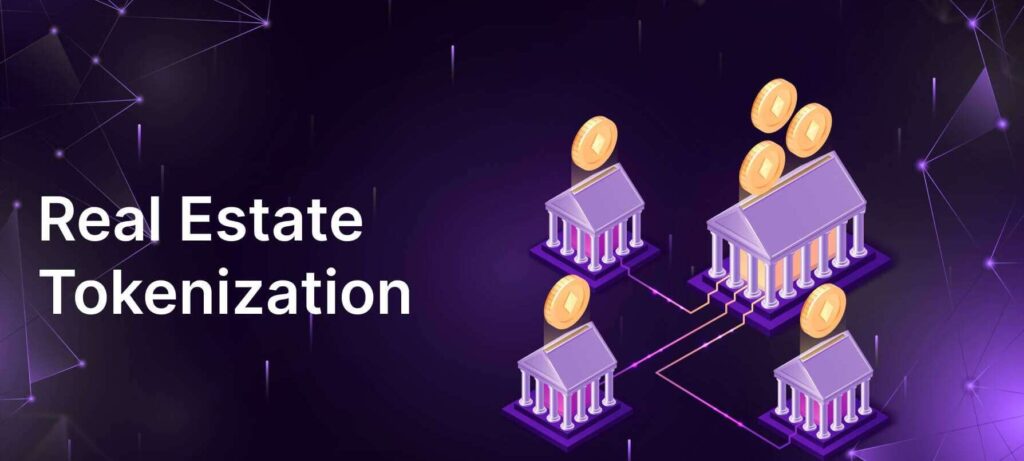
Real estate tokenization is the process of converting ownership rights of a property into digital tokens using blockchain technology. Each token represents a fraction of ownership in a real estate asset and can be bought, sold, or traded on supported platforms.
Instead of purchasing an entire property, investors can own a portion of it through tokens. These tokens are recorded on a blockchain, ensuring transparency, security, and immutability of ownership records.
In simple terms, tokenization transforms physical real estate assets into digital representations that are easier to manage and transfer.
How Real Estate Tokenization Works
The tokenization process typically follows several structured steps:
Asset Selection and Valuation
A real estate asset—such as residential, commercial, or industrial property—is selected and professionally valued to determine its market worth.
Legal Structuring
The property is placed under a legal structure, often a special-purpose entity, to ensure compliance with local regulations and investor protections.
Token Creation
Digital tokens are created on a blockchain, with each token representing a specific share of ownership in the property.
Investor Participation
Investors purchase tokens through compliant platforms, gaining fractional ownership and associated rights such as rental income or appreciation.
Ongoing Management
Smart contracts automate processes like dividend distribution, ownership transfers, and record updates.
Key Benefits of Real Estate Tokenization
Lower Investment Barriers
Tokenization allows investors to enter the real estate market with smaller capital amounts. Fractional ownership makes property investment accessible to a wider audience.
Improved Liquidity
Traditional real estate transactions can take months to complete. Tokenized assets can be traded more easily, improving liquidity and flexibility for investors.
Transparency and Trust
Blockchain technology provides a transparent and tamper-proof record of ownership and transactions, reducing disputes and increasing investor confidence.
Global Access
Real estate tokenization enables cross-border investments by allowing investors from different regions to participate without complex intermediaries.
Operational Efficiency
Automated smart contract development reduce paperwork, manual processing, and administrative costs associated with traditional real estate transactions.
Use Cases of Real Estate Tokenization
Real estate tokenization is being applied across multiple segments of the property market.
Residential Properties
Tokenization enables fractional ownership of residential properties, allowing investors to earn rental income without purchasing an entire home or apartment.
Commercial Real Estate
Office buildings, shopping centers, and business parks can be tokenized to attract a broader pool of investors and diversify funding sources.
Real Estate Investment Funds
Tokenized funds allow investors to hold diversified real estate portfolios through digital tokens, simplifying investment and management.
Property Development Projects
Developers use tokenization to raise capital for new projects by offering investors early access and potential returns.
Hospitality and Tourism Assets
Hotels, resorts, and vacation rentals are increasingly being tokenized to unlock liquidity and attract global investors.
Challenges of Real Estate Tokenization
Despite its advantages, real estate tokenization also faces several challenges.
Regulatory Uncertainty
Regulations surrounding digital assets and tokenized securities vary across regions. Compliance remains one of the biggest hurdles for widespread adoption.
Legal Complexity
Ensuring that token ownership aligns with real-world property rights requires careful legal structuring and jurisdiction-specific expertise.
Market Adoption
Real estate tokenization is still an emerging concept. Limited awareness and trust can slow adoption among traditional investors.
Technology Risks
Blockchain platforms and smart contracts must be secure and reliable. Technical vulnerabilities can pose risks if not properly managed.
Liquidity Limitations
While tokenization improves liquidity, secondary markets for tokenized real estate are still developing and may lack depth.
The Role of Blockchain in Real Estate Tokenization
Blockchain acts as the foundation of real estate tokenization by enabling:
- Secure ownership records
- AI automation transactions via smart contracts
- Transparent audit trails
- Reduced reliance on intermediaries
By combining blockchain with real estate, tokenization introduces efficiency and innovation to a traditionally slow-moving industry.
Future Trends in Real Estate Tokenization
The future of real estate tokenization looks promising as technology and regulations evolve. Key trends include:
- Greater regulatory clarity
- Integration with decentralized finance (DeFi)
- Increased institutional participation
- Expansion of secondary trading platforms
- Enhanced investor protections
As these developments mature, tokenized real estate is expected to become a mainstream investment option.
Conclusion
Real estate tokenization represents a significant shift in how property ownership and investment are structured. By leveraging blockchain technology, it lowers entry barriers, increases transparency, and improves liquidity in the real estate market.
While challenges related to regulation, legal frameworks, and adoption remain, ongoing innovation and growing awareness are steadily addressing these issues. For investors and businesses alike, real estate tokenization offers a modern and flexible approach to participating in one of the world’s most valuable asset classes.
As digital transformation continues to reshape traditional industries, real estate tokenization stands out as a powerful example of how technology can unlock new opportunities in property investment.
FAQs
What is real estate tokenization?
Real estate tokenization is the process of converting property ownership into digital tokens on a blockchain. Each token represents a fractional share of a real estate asset.
Is real estate tokenization safe for investors?
When implemented with proper legal structures, regulatory compliance, and secure blockchain technology, real estate tokenization can offer a transparent and secure investment model.
Who can invest in tokenized real estate?
Both individual and institutional investors can participate in tokenized real estate, depending on platform requirements and local regulations.