
Muscle repair and recovery are essential processes for anyone who leads an active lifestyle. Whether you exercise regularly, play sports, or have a physically demanding routine, your muscles are constantly adapting to stress. While muscle soreness and fatigue are common, proper recovery determines how well the body heals, grows stronger, and avoids injury. With Physiotherapy services in Edinburgh, individuals receive expert guidance to support muscle recovery safely and effectively.
This blog explains how muscle repair works, what influences recovery time, and how physiotherapy plays a key role in keeping active bodies healthy and resilient.
How Muscles Respond to Physical Activity
During exercise or physical activity, muscles experience small microscopic tears. This process is normal and necessary for strength development. The body responds by repairing these fibres, making them stronger and more adaptable.
However, when muscles are overworked without adequate recovery, pain and injury can occur. Muscle stiffness, reduced flexibility, and fatigue are signs that recovery may be insufficient. Through Physiotherapy services in Edinburgh, individuals learn how to balance activity with recovery to support long-term performance.
The Muscle Repair Process Explained
Muscle repair happens in several stages. Understanding these stages helps explain why rest and professional support are important.
Key Stages of Muscle Repair
-
Inflammation: Blood flow increases to deliver nutrients and remove waste.
-
Repair: Muscle fibres rebuild and strengthen damaged tissue.
-
Remodelling: Muscles adapt to handle future physical demands.
This process requires time, nutrition, and proper movement. Physiotherapy services in Edinburgh support each stage by reducing strain and promoting optimal healing.
Factors That Affect Muscle Recovery
Recovery time varies from person to person. Several factors influence how quickly muscles repair after activity.
Common Influencing Factors
-
Intensity and duration of exercise
-
Age and overall fitness level
-
Sleep quality and hydration
-
Nutrition and protein intake
-
Previous injuries or muscle imbalances
Physiotherapists assess these factors to create recovery plans tailored to individual needs. With Physiotherapy services in Edinburgh, recovery strategies are personalised rather than generic.
Common Signs of Poor Muscle Recovery
When muscles do not recover properly, the body sends warning signals. Ignoring these signs can lead to overuse injuries and chronic pain.
Warning Signs Include
-
Persistent muscle soreness
-
Reduced strength or flexibility
-
Tightness or stiffness during movement
-
Fatigue that affects performance
-
Repeated strains or minor injuries
Professional assessment through Physiotherapy services in Edinburgh helps identify recovery issues early and prevents long-term complications.
The Role of Physiotherapy in Muscle Recovery
Physiotherapy plays a vital role in supporting muscle repair, especially for active individuals. Physiotherapists use evidence-based techniques to promote healing and restore function.
How Physiotherapy Supports Recovery
-
Manual therapy to reduce muscle tension
-
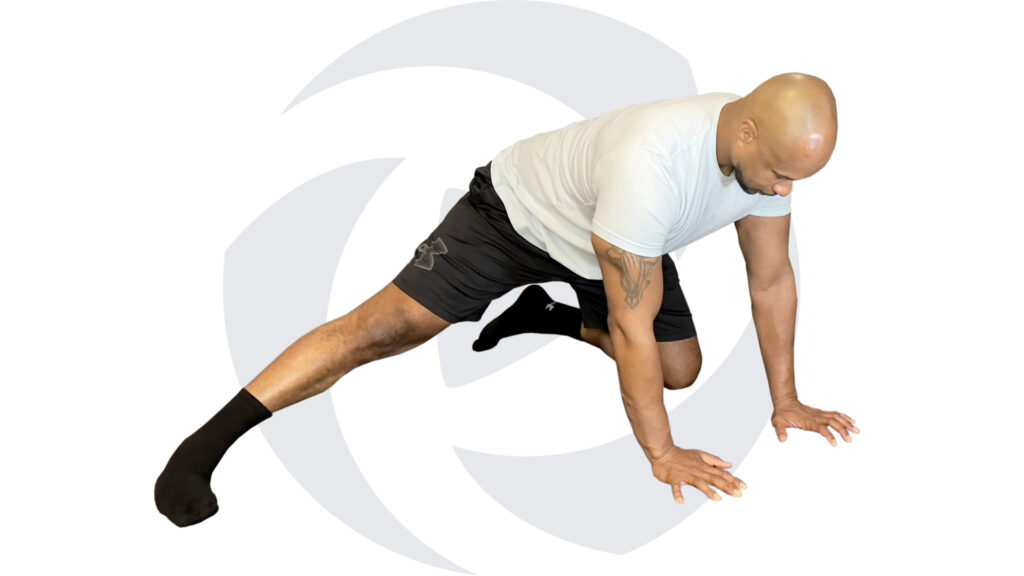
Stretching and mobility exercises to improve flexibility
-
Strengthening programs to support muscle balance
-
Education on safe training and recovery habits
With Physiotherapy services in Edinburgh, treatment focuses on both recovery and injury prevention, helping individuals stay active safely.
Active Recovery and Movement Guidance
Complete rest is not always the best approach. Active recovery, when guided correctly, helps maintain circulation and reduces stiffness.
Physiotherapists recommend gentle movements, low-impact activities, and controlled exercises to support healing. These activities encourage blood flow and prevent muscles from becoming tight.
Through Physiotherapy services in Edinburgh, individuals receive structured guidance on when to rest and when to move, ensuring recovery without setbacks.
Preventing Muscle Injuries Through Proper Recovery
Recovery is not just about healing after exercise. It is also about preventing future injuries. Poor recovery increases the risk of muscle strains, tendon issues, and joint stress.
Physiotherapy focuses on identifying muscle imbalances and movement patterns that increase injury risk. Correcting these issues improves performance and protects the body over time.
With Physiotherapy services in Edinburgh, prevention becomes part of the recovery process, supporting long-term physical health.
Recovery Support for Different Activity Levels
Muscle recovery needs differ depending on activity level. Athletes, gym-goers, and physically active workers all place different demands on their bodies.
Physiotherapists adjust recovery plans based on lifestyle and goals. Whether returning to sport or maintaining daily activity, Physiotherapy services in Edinburgh ensure recovery strategies are realistic and effective.
Final Thoughts
Muscle repair and recovery are essential for maintaining strength, mobility, and performance in active bodies. Ignoring recovery can lead to pain, injury, and reduced activity levels over time.
By choosing Physiotherapy services in Edinburgh, individuals gain expert support to manage muscle recovery safely. Through personalised care, movement guidance, and preventive strategies, physiotherapy helps active bodies heal properly and stay strong for the long term.