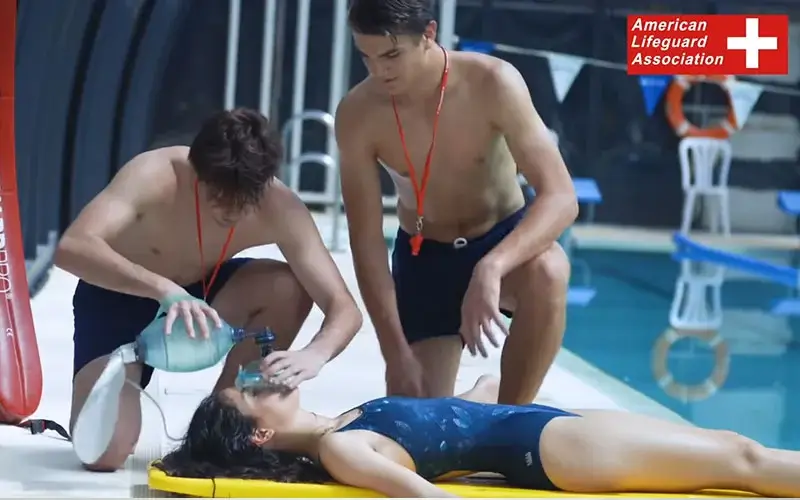

A quality lifeguard training program is essential for anyone who wants to protect lives and ensure water safety. It prepares individuals with the knowledge, skills, and confidence needed to respond quickly during emergencies.
Whether you want to work at a pool, beach, water park, or aquatic facility, professional training helps you stay alert, act fast, and handle critical situations effectively. Lifeguard programs also include certification, which is often required for lifeguard jobs.
Today, it’s easier than ever to find lifeguard training programs through trusted organizations and professional training websites like American Lifeguard USA.
This guide explores what is included in a high-quality lifeguard training program, including essential skills, certification steps, and what to look for when selecting the best course.
Summary
A quality lifeguard training program includes both classroom learning and hands-on practice to ensure lifeguards are prepared for real-life emergencies. It covers water rescue techniques, CPR and first aid, use of safety equipment, surveillance and scanning skills, emergency action plans, and teamwork. It also includes certification requirements, practical testing, and recertification guidance—helping lifeguards build confidence, professionalism, and readiness for any aquatic environment.
Why a Quality Lifeguard Training Program Matters
High-quality lifeguard training is critical for preventing drowning incidents and maintaining safety in aquatic environments. Lifeguards must be trained to recognize danger early and respond within seconds.
Strong training ensures lifeguards can perform rescues safely while minimizing risk to themselves and others. It also teaches responsibility, professionalism, and the ability to remain calm under pressure.
Certified and properly trained lifeguards build public trust in pools, beaches, schools, camps, and recreational centers.
A quality program helps lifeguards master:
-
Water surveillance and scanning
-
Emergency response procedures
-
Rescue methods and victim support
-
CPR, First Aid, and AED skills
-
Team communication and leadership
What to Expect in a Quality Lifeguard Training Program
what is included in a quality lifeguard training program both theory and practical sessions. Participants learn water safety rules, rescue strategies, and medical emergency procedures, then practice them through drills and simulations.
Courses often begin with basic skill assessments such as swimming endurance and timed rescues. After that, students are trained in rescue techniques using backboards, rescue tubes, and proper lifting methods.
Expect:
-
Water rescue drills
-
CPR and First Aid training
-
Emergency simulations
-
Team-based rescue practice
-
Written and skill exams
A typical quality program includes:
Swimming endurance training
Rescue approach and victim removal
Spinal injury management techniques
CPR/AED certification practice
Emergency action plan training
Key Skills and Certifications Included
Quality lifeguard training covers a wide range of skills that make lifeguards prepared for real emergencies, not just basic swimming.
1. Water Surveillance and Prevention
Lifeguards learn scanning techniques, zone coverage, and how to recognize swimmers in distress before an emergency happens.
2. Water Rescue Skills
Training includes passive and active victim rescues, deep-water retrievals, and proper rescue tube use.
3. CPR, First Aid & AED
A quality course teaches lifeguards how to handle:
-
Cardiac arrest
-
Bleeding injuries
-
Fractures
-
Heat exhaustion
-
Respiratory emergencies
4. Emergency Communication
Lifeguards learn how to call for help, use whistle signals, and coordinate with emergency responders.
Certification programs often include:
-
CPR + AED certification
-
First Aid certification
-
Lifeguard certification
-
Water rescue competency testing
Lifeguard Certification: What a Good Program Includes
Certification is an important part of a quality lifeguard course because it confirms that a lifeguard meets national safety standards.
A professional program includes:
-
Pre-course swimming test
-
Classroom learning modules
-
Hands-on skills training
-
Written exam
-
Final water rescue test
It also provides proper certification documentation that employers require.
Many programs also include training for:
-
Pool lifeguards
-
Beach/open water lifeguards
-
Water park lifeguards
-
Facility-specific rescue protocols
How to Find a Quality Lifeguard Training Program Near You
Finding a good lifeguard training program is easier when you choose a trusted provider with recognized certification and professional instructors.
Start your search using:
Local aquatic centers
Community pools or parks departments
National lifeguard training organizations
Professional websites like American Lifeguard USA
When choosing a program, look for:
-
Certified instructors
-
Updated training standards
-
Practical training sessions
-
Clear certification validity
-
Positive student reviews
-
Flexible schedules (weekend/hybrid options)
Types of Lifeguard Training Programs Offered
Different lifeguard programs are designed for different environments. A quality training provider will offer multiple course options depending on where you plan to work.
Common training types include:
-
Pool Lifeguard Training
-
Beach Lifeguard Training
-
Water Park Lifeguard Training
-
CPR/First Aid Only Courses
-
Recertification Courses
-
Advanced Rescue Training
Each course focuses on the hazards and rescue techniques needed in that environment.
Real-Life Scenarios Included in Professional Training
The best programs include realistic rescue simulations so lifeguards practice under pressure.
Training scenarios may include:
-
Unconscious swimmer rescue
-
Multi-victim rescue situations
-
Spinal injury emergencies
-
Drowning rescue drills
-
CPR with AED emergency response
Scenario-based training improves decision-making skills and prepares lifeguards for real emergencies.
Lifeguard Training FAQs
What makes a lifeguard training program “high quality”?
A high-quality program includes hands-on practice, up-to-date CPR and rescue training, certified instructors, and recognized certification.
How long does a quality lifeguard training program take?
Most courses take 20–30 hours, depending on the course type and format.
Do quality programs include certification and CPR?
Yes, a professional course includes lifeguard certification, CPR, AED, and First Aid training.
Can I take lifeguard training online?
Many providers offer a hybrid option with online learning plus in-person water skills training.
Conclusion: Choosing the Right Lifeguard Training Program
A quality lifeguard training program includes everything needed to prepare for real-life emergencies: rescue skills, CPR/First Aid training, certification exams, and realistic scenario practice. It builds confidence, professional ability, and strong safety awareness.
If you want trusted training and recognized certification, choose a reputable provider like American Lifeguard USA and begin your journey toward becoming a professional lifesaver.