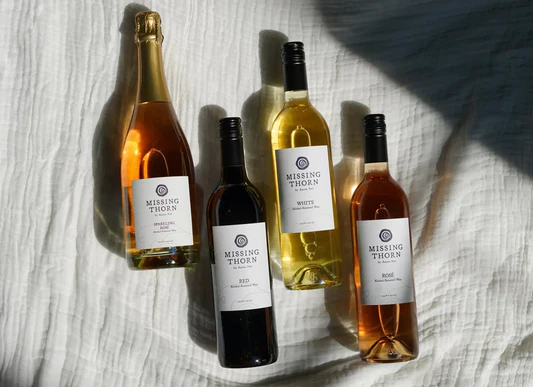

We are experiencing a profound transformation in global drinking habits, where premium alcohol-free beverages are no longer viewed as substitutes but as intentional, high-quality choices. Among these, Best Non-Alcoholic Champagne has become a standout category, offering elegance, celebration, and complexity without the effects of alcohol. This evolution reflects changing lifestyles, wellness priorities, and a growing appreciation for mindful indulgence.
Modern alcohol-free sparkling wines are crafted with precision, drawing on traditional Champagne-making techniques while using advanced alcohol-removal technology. The result is a refined, celebratory beverage that honors tradition and innovation equally.
What Defines High-Quality Alcohol-Free Champagne
Crafted From Fully Fermented Wine
True premium alcohol-free champagne-style wines begin their journey as authentic sparkling wine. Grapes are harvested, fermented, aged, and structured before alcohol is gently removed. This process ensures the wine retains its aromatic complexity, acidity, and mouthfeel, elements that distinguish superior products from simple carbonated drinks.
Advanced De-Alcoholization Techniques
Top producers rely on methods such as spinning cone column distillation, vacuum distillation, and reverse osmosis. These techniques preserve volatile aroma compounds while reducing alcohol content to 0.0%–0.5% ABV, allowing the wine to remain balanced and expressive.
Flavor Profile and Sensory Experience
The defining characteristic of the Best Non-Alcoholic Champagne is its ability to replicate the sensory pleasure of traditional Champagne. Expect:
-
Crisp acidity with refreshing minerality
-
Fine, persistent bubbles
-
Notes of green apple, pear, citrus zest, and white peach
-
Subtle hints of brioche, almond, or floral tones
Premium options avoid excessive sweetness, delivering a clean, dry finish that pairs seamlessly with food and formal occasions.
Types of Alcohol-Free Champagne Styles
Brut and Extra Brut Styles
These are the most sought-after styles for those who appreciate dryness and structure. Brut alcohol-free sparkling wines offer low residual sugar, sharp acidity, and a refined palate, making them ideal for sophisticated celebrations.
Blanc de Blancs
Crafted primarily from white grape varietals, these wines emphasize freshness, citrus brightness, and elegance. They are often considered among the most refined expressions within the Best Non-Alcoholic Champagne category.
Rosé Sparkling Wines
Rosé styles introduce red berry notes such as strawberry and raspberry while maintaining crisp effervescence. They are visually appealing, versatile, and popular for social gatherings and brunch settings.
Health and Lifestyle Advantages
Choosing alcohol-free champagne is a conscious lifestyle decision that offers numerous benefits:
-
Zero or minimal alcohol intake
-
Fewer calories than traditional Champagne
-
No hangovers or impaired focus
-
Suitable for pregnancy, fitness goals, and professional settings
Additionally, these wines often retain polyphenols and antioxidants, supporting heart health and overall well-being without compromising enjoyment.
Who Chooses Alcohol-Free Champagne
We see widespread adoption across a diverse audience:
-
Health-conscious individuals
-
Expectant parents
-
Designated drivers
-
Professionals avoiding alcohol
-
Cultural or religious abstainers
-
Wine enthusiasts seeking balance
The Best Non-Alcoholic Champagne serves as an inclusive option, allowing everyone to participate fully in celebratory moments.
How to Identify the Best Bottle
Check the Production Method
We recommend selecting brands that clearly disclose their alcohol-removal process. Transparency signals quality and craftsmanship.
Review Sugar Levels
Dry and brut-labeled bottles typically offer the most authentic Champagne-like experience. Excessive sweetness often masks lack of complexity.
Origin and Winemaker Reputation
Producers with established winemaking credentials or Champagne-region expertise tend to deliver more nuanced and refined alcohol-free sparkling wines.
Serving and Storage Recommendations
Alcohol-free champagne should be served well-chilled, ideally between 6–8°C (43–46°F). Use traditional Champagne flutes or tulip glasses to enhance aroma and bubble retention.
Once opened, bottles should be resealed and consumed within 3–5 days, as the absence of alcohol reduces natural preservation.
Food Pairing Excellence
Classic Pairings
-
Oysters and shellfish
-
Sushi and sashimi
-
Soft cheeses
-
Light appetizers and canapés
Rosé Pairings
-
Charcuterie boards
-
Fresh berries
-
Brunch dishes
-
Mediterranean cuisine
The versatility of the Best Non-Alcoholic Champagne allows it to complement a wide range of flavors without overpowering the palate.
Why Alcohol-Free Champagne Is the Future
We are entering a new era where quality, inclusivity, and wellness define luxury. Alcohol-free Champagne alternatives are now featured in Michelin-starred restaurants, luxury hotels, airlines, and high-end events worldwide.
Innovation continues to elevate this category, with producers refining texture, acidity, and aroma to rival traditional Champagne. The Best Non-Alcoholic Champagne is no longer defined by what it lacks, but by the excellence it delivers.
Final Thoughts on Choosing Excellence
We recognize alcohol-free Champagne as a modern symbol of sophistication—one that respects tradition while embracing evolving lifestyles. It offers celebration without compromise, elegance without excess, and flavor without limitation.
Selecting the Best Non-Alcoholic Champagne ensures that every toast remains meaningful, refined, and inclusive—no matter the occasion.