
Restaurant owners know that food appearance matters as much as taste does. Customers eat with their eyes first before they take the first bite. A beautiful plate creates excitement and makes diners want to share photos online. A good presentation leads to better reviews and more customers walking through the door. Learning the right methods can transform ordinary dishes into something special that people remember. These methods work for any type of restaurant, from small cafes to big restaurants. The following steps will guide anyone who wants to create dishes that look great.
How does color selection affect plate presentation?
Colors on a plate need to work well together without looking too busy. Bright greens from fresh herbs look nice against the golden browns of cooked chicken. Red tomatoes stand out against white cheese or cream sauces on the plate. Cooks should think about colors that go together when planning their dish parts. Three to four colors work best for most plates without making things confusing. Real ingredient colors always look better than fake dyes or processed food items. The plate color itself plays a big part in how the food looks. White plates remain the most common choice because they make colors easy to see. Black plates work well for lighter colored foods that need a big difference.
Why does the plating technique matter for visual appeal?
The way food sits on a plate tells customers something about the restaurant. Random placement makes dishes look careless, while a neat arrangement shows good work and care. Height adds interest and makes flat plates look more exciting to restaurant guests. Stacking food items carefully creates layers that make people look around the plate. Cooks often use the clock method to place items at certain spots on plates. Protein goes at six o’clock, with vegetables at two and starch at ten. This method creates balance and shows people where to look first on their plates. Space on plates keeps things from looking crowded and lets each part shine. Too much food wrapped together looks messy and bad to people paying for dinner.
What role does texture play in food appearance?
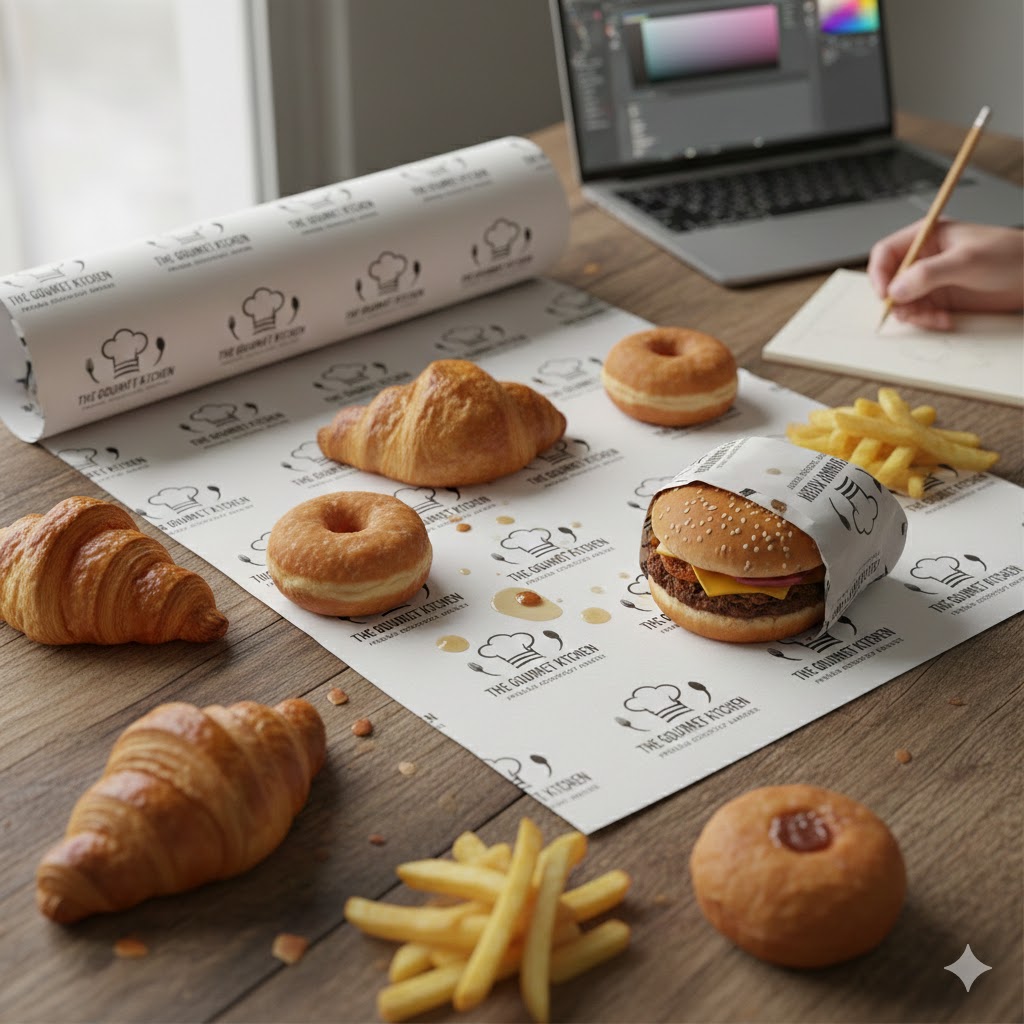
Different textures on one plate create interest and make dishes look more appealing. Crispy things next to creamy ones provide a difference that looks good and inviting. Smooth sauces paired with chopped vegetables give plates variety and make them interesting. Greaseproof paper manufacturers supply materials that help keep crispy textures good during service time. Toppings should add different textures rather than just sitting there looking nice but useless. Seeds and nuts bring crunch, while fresh herbs add soft, delicate touches to plates. Sauces with different thickness levels can be poured or spread for interesting looks.
How can garnishes enhance overall dish presentation?
Toppings must do something useful beyond decoration to belong on the final plate. Edible flowers add beauty but should work well with the flavors of the main parts. Fresh herb leaves bring color and smell when placed near meat or fish items. WaxPapersHub offers solutions for presenting and protecting decorated dishes during moving and serving time. Small greens provide a delicate look without taking over the other things on the plate. Lemon or lime zest adds bright bits of color while also adding flavor. Every topping should be safe to eat and make sense with other ingredients present.
What impact does sauce placement have on appearance?
Sauces can make or break how good any restaurant dish looks to customers. Pouring sauce around the plate creates movement and guides eyes across the different parts. Dots of sauce placed in certain spots add rhythm and make things look professional. Lines made with the back of a spoon look modern and make plates special. Puddles of sauce under meat lift it up and create depth on flat surfaces. Food paper items help have sauces during plating to keep the plate edges looking nice. Squeeze bottles give cooks control over sauce placement and create the same patterns every time. The sauce color should be different from both the plate and the food items.
Why is portion size important for visual balance?
Right-sized servings make plates look full without appearing wasteful or too much for diners. Too much food crowds the plate and ruins the carefully planned look of the dish. Too little food makes plates look empty and leaves customers feeling cheated about their money. Good cooks know that proper amounts allow for the right spacing between items on plates. Each part should be sized based on how important it is in the dish. The main meat or fish typically takes up about one-third of plate space. Side items fill the rest of the space without touching or covering other things.
How does lighting affect food photography and presentation?
Restaurant lighting directly changes how dishes appear to guests and in pictures they share. Natural daylight makes food colors appear real and good-looking to people eating there. Golden lighting creates nice feelings but can make some foods look less bright overall. Lights from above should not create hard shadows that hide details of plated dishes. Light from the side creates dimension and shows textures that might go unnoticed otherwise. Many restaurants in the USA now design lighting just for social media picture taking. Special lights at tables help customers take beautiful images of their restaurant dishes. Professional food photographers always test lighting before shooting to make sure colors look right.
What tools help achieve professional plating results?
The right equipment makes careful plating faster and easier for kitchen workers doing the job. Squeeze bottles control sauce amounts and create nice patterns with the same pressure each time. Special spreaders help spread soft foods smoothly without messing up other parts of the plates. Small spoons create dots and lines of sauce with better control than big ones. Round molds shape rice and other soft ingredients into neat round tower presentations. Brushes apply glazes and oils evenly across meats for a shiny, professional-looking finish. Good plates in different shapes give cooks options for different types of food dishes. Having the right tools ready during busy times ensures the presentation stays the same.
Conclusion
Beautiful food presentation separates average restaurants from great dining places that customers tell others about. The steps to improve food aesthetics in restaurant settings require practice and paying close attention. Color choices, plating methods, and texture differences all work together to create great plates. The right toppings and sauce placement add a professional look that makes restaurant guests feel impressed. The right serving sizes and good lighting help make dishes worth taking pictures of. These methods apply to any food style and can make any restaurant better overall.