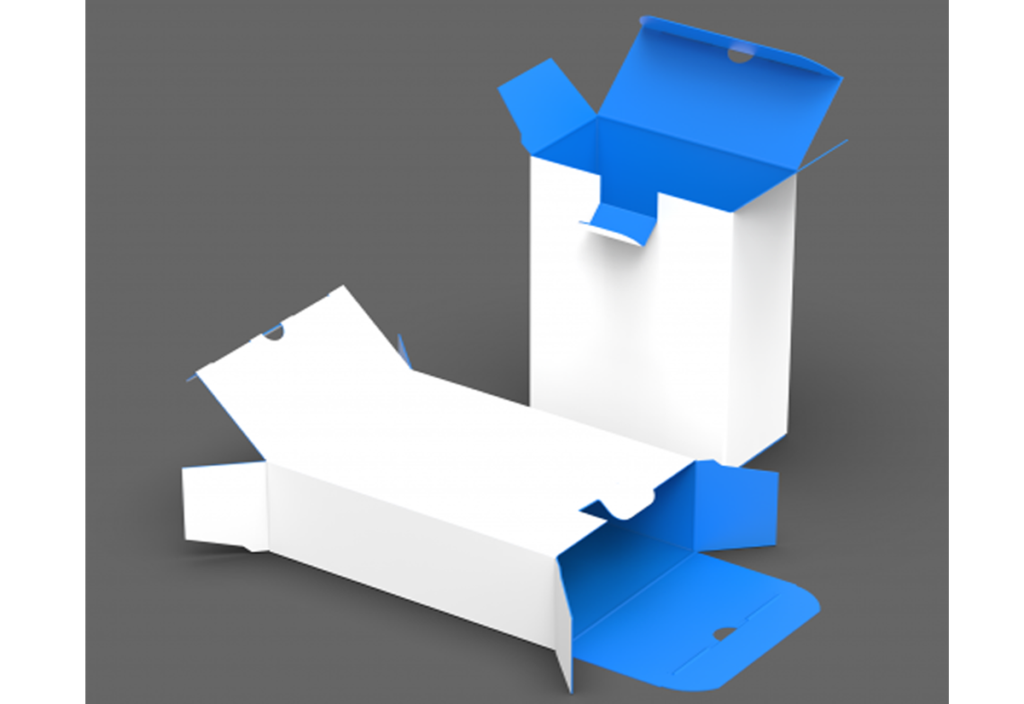

Retail brands focus on packaging behavior during purchase, handling, storage, and opening moments. Packaging creates first physical contact with the product. When opening feels smooth, customer response stays calm. When opening requires force, delay appears. Easy-open folding designs help remove that delay. These designs allow access without tools, tearing, or sharp movement.
Retail brands prefer such structures because damage risk drops and handling time improves. The folding structure also supports storage flow and transport movement. Over time, brands observe better feedback when packaging opens without struggle. This article explains reasons behind folding design preference using real retail use cases and user behavior patterns.
What Makes Easy-Open Folding Designs Useful for Retail Brands?
Easy-Open Folding Designs allow direct access through fold guidance. Retail brands select structures that work without instruction or symbols. When a customer ‘s hand follows a fold line, the opening process feels natural. No guessing step appears. Packaging remains intact after opening. This matters for reuse, storage, and returns. Retail operations also benefit during checkout and shelf loading. Handling speed improves. Brands rely on packaging that reduces manual effort across the supply chain. Folding structure supports that need through predictable motion.
How Do Folding Structures Affect Product Opening Process?
Folding structure controls opening direction and pressure point. Fold placement guides movement. The customer follows the design path without pause. Opening feels expected. Retail brands observe stronger engagement when packaging opens smoothly on first attempt. Focus stays on the product inside. Clean opening also supports reuse. Many customers keep packaging for storage. Folding structure allows repeated opening without damage. Brands value packaging that stays functional beyond first use. Structural planning allows that outcome.
Why Is Ease of Use Important in Retail Packaging?
Ease of use shapes brand perception before product use begins. Difficult opening creates tension. That tension transfers toward brand image. Retail brands work to remove such friction. Folding designs support fast access during short shopping breaks or busy routines. Packaging that opens smoothly works across skill levels. No learning step required. Brands prefer designs that fit a wide user base without adjustment. Folding structure allows access without tools, sharp edges, or force. That safety matters for household use.
How Do Folding Designs Help Store Staff and Shelf Handling?
Store staff handle packaging during transport, stocking, and display setup. Folding designs help maintain shape during repeated movement. Boxes remain stable during stacking. Shelf layout stays consistent. Staff often open packaging for display units. The folding structure allows opening and closing without damage. Time spent fixing packaging issues drops. Retail brands benefit from improved store flow.
Why Do Retail Brands Avoid Packaging That Creates Frustration?
Customer frustration during opening creates silent loss. Many customers do not complain. Many choose not to return. Retail brands study such patterns carefully. Packaging that causes delay becomes a risk. Folding designs reduce frustration by guiding opening motion. Customers do not fight packaging. Product access feels controlled. Brands notice fewer negative reactions when packaging opens without force.
Frustration also leads to packaging damage. Torn boxes affect storage and disposal. Folding structure limits such outcomes.
How Do Folding Designs Balance Protection and Access?
Retail packaging must protect products during shipping while allowing access during use. Folding structure supports that balance. Fold tension keeps the box closed until the opening moment. Pressure spreads across panels during transport. During opening, fold releases without resistance. The product remains secure until removal. Retail brands trust designs that manage both protection and access without added layers.
Transport movement creates vibration and stacking pressure. Folding structure absorbs such forces through panel alignment. Damage risk lowers.
What Is Connection Between Folding Designs and Recycling?
Folding designs often rely on single-board structure. This supports recycling systems. The box opens without tearing. Shape remains whole after use. Customers prefer packaging that folds flat after use. Disposal becomes easier. Retail brands select designs that support waste handling without extra effort.
Packaging that stays intact improves recycling success. Folding structure supports that goal through planned tear-free opening.
Why Do Folding Designs Work Across Many Retail Products?
Retail brands operate across product categories. Folding designs adapt to size, weight, and use patterns. Food items, care products, and household goods all use similar folding structures. One structural system supports multiple product lines. Brands maintain consistency without redesign. Folding designs also support labeling, printing, and barcoding needs.
How Does Packaging Structure Support Brand Recognition?
Brand recognition forms through repeated experience. Packaging structure plays a role in that process. When opening motion stays consistent across products, familiarity grows.
Customers may not describe structure, yet memory forms through use. Folding designs create predictable interaction. That predictability supports trust. Retail brands rely on repeated exposure rather than explanation. Packaging structure becomes silent signal.
How Does Custom Packaging Fit Folding Design Needs?
Structure maintains balance during storage and transport. Retail brands select such structures for compact items. Reverse Tuck Packaging supports access through opposing panels.
Opening motion remains controlled. Closure stays firm until use. Structural simplicity supports printing alignment. Brands choose such designs for functional reasons rather than appearance. This structure supports production efficiency without sacrificing user access.
Why Do Brands Use Custom Folding Structures for Users?
User behavior varies by product type. Some products require frequent access. Others open once. Retail brands study such patterns.
Custom styles of boxes allow fold adjustment without material change. Structure matches use cycle. Brands prefer solutions that respond to real behavior rather than assumption.
Folding design supports testing and adjustment. Small fold changes create a major usability impact.
How Can Businesses Choose the Right Folding Packaging Partner?
Businesses seek partners with structural knowledge and retail awareness. Packaging choice affects handling, storage, and customer response.
UPacked works with brands to design folding solutions based on real handling needs rather than trends. Focus remains on access, protection, and movement. When packaging supports retail flow, the result fits the product life cycle from shelf to home.