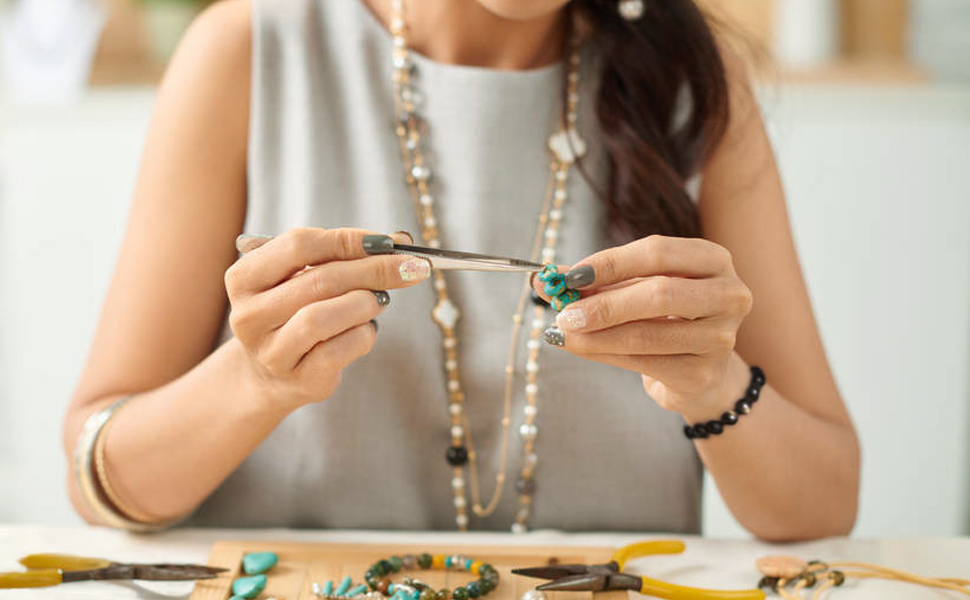

Adornment has always served as more than mere decoration, operating as a tangible expression of identity, emotion, and heritage across centuries. From ancient civilizations to modern societies, jewelry has functioned as a symbol of power, protection, and personal narrative, capturing meaning beyond mere aesthetics. In contemporary culture, handmade jewelry continues this tradition by emphasizing individuality, authenticity, and artistic intention over mass production and standardization. Unlike factory-produced pieces, handcrafted items exhibit subtle imperfections that reflect the artisan’s personal touch, establishing a connection between creator and wearer. These imperfections, rather than detracting, enhance uniqueness, offering emotional resonance that machine-made jewelry often cannot replicate. The value of handmade jewelry, therefore, extends beyond its material components, encompassing time, skill, and human effort invested in each creation. This intangible quality fosters emotional attachment, encouraging wearers to appreciate connection and narrative over simple visual appeal.
Additionally, the cultural significance of handmade jewelry strengthens its lasting appeal. Many artisans incorporate local traditions, ancestral techniques, or symbolic motifs, preserving heritage while creating contemporary designs. Consumers increasingly seek meaningful possessions that convey personal or cultural stories, reflecting broader societal interest in authenticity and sustainability. Handcrafted jewelry often uses ethically sourced materials, reinforcing the alignment between personal values and purchase decisions. As environmental awareness and mindful consumption grow, artisans who combine creativity, ethical practice, and technical skill enjoy greater recognition and appreciation. In this context, handmade jewelry is no longer merely decorative; it becomes a statement of personal philosophy, artistic admiration, and cultural respect. By investing in handcrafted pieces, individuals participate in a cycle of preservation, creativity, and meaningful ownership, highlighting why such items endure both emotionally and monetarily through generations.
Emotional Resonance and Meaning in Handmade Jewelry
The emotional significance of handmade jewelry often emerges from the intimate circumstances surrounding its creation or acquisition, reflecting human connections and shared experiences. Each piece crafted by hand carries the artisan’s dedication, vision, and deliberate choices, forming an invisible narrative that enhances wearer attachment. When gifted or selected for special occasions, handcrafted jewelry becomes a symbol of remembrance, love, or personal milestones. Over time, repeated wear and life experiences enrich the emotional weight of these items, allowing them to act as tangible representations of memory and identity. Unlike mass-produced alternatives, which may lack narrative or sentiment, handmade pieces foster deep psychological bonds, connecting owner and object across time.
Additionally, emotional resonance is amplified by design symbolism and material selection. Artisans often embed meaningful elements such as birthstones, cultural motifs, or engraved inscriptions, ensuring the wearer perceives personal significance beyond surface beauty. A single necklace, ring, or bracelet may carry multiple layers of story, reflecting family heritage, personal triumph, or intimate milestones. Moreover, the process of selecting and owning handmade jewelry often involves conscious decision-making, aligning the individual’s values with artistry, ethics, and aesthetics. This deliberate approach transforms acquisition into an experiential journey, heightening personal satisfaction and emotional fulfillment. When pieces like dark purple gem floral earrings are introduced into collections, they combine symbolic beauty with functional adornment, representing creativity, elegance, and intentional design simultaneously. Emotional resonance increases when jewelry accompanies transformative life experiences, such as weddings, graduations, or professional milestones, creating lasting memories anchored in tactile, wearable forms.
This dual role of ornament and memory ensures that handcrafted jewelry maintains enduring significance, both psychologically and socially, elevating it beyond transient fashion trends into cherished personal heirlooms that communicate stories across generations.
Craftsmanship, Time, and Artistic Integrity in Handmade Jewelry
Craftsmanship is the cornerstone of handmade jewelry, defining both its aesthetic appeal and enduring value across generations. Every piece reflects the artisan’s dedication, technical skill, and creative insight, demonstrating hours of meticulous work that cannot be replicated by machines. From the initial selection of metals and gemstones to shaping, soldering, polishing, and finishing, each stage requires precision, patience, and deep understanding of materials. These deliberate steps ensure durability while preserving artistic integrity, allowing jewelry to withstand daily wear and retain its visual and structural quality for decades. Unlike mass-produced items, which prioritize efficiency and volume, handcrafted jewelry celebrates uniqueness and imperfection, where each slight irregularity becomes a mark of authenticity.
Artisans often innovate within traditional techniques, experimenting with textures, color combinations, and forms, resulting in designs that are original and reflective of individual vision. Furthermore, the value of time invested in production imbues pieces with a sense of worth that surpasses material cost alone, turning accessories into heirlooms with emotional and monetary significance. The interplay between skill, time, and artistry encourages collectors and wearers to appreciate handcrafted pieces not merely as adornment but as wearable works of art. Over time, such jewelry often appreciates in value, especially when created using ethically sourced metals and stones, which further enhances desirability among environmentally conscious consumers. By choosing handmade jewelry, individuals celebrate human creativity, support artisan livelihoods, and secure objects of lasting beauty that combine technical mastery with deeply personal meaning.
Symbolism and Identity Through Handmade Jewelry
Handmade jewelry transcends decoration by functioning as a medium for storytelling, self-expression, and symbolic communication. Each piece communicates identity, cultural heritage, or personal experience through thoughtfully chosen materials, motifs, and forms. Artisans often draw inspiration from nature, historical traditions, or emotional states, embedding these influences into jewelry with subtle yet meaningful design elements. The act of choosing handcrafted jewelry becomes a reflection of individual values, conveying intentionality and emotional resonance. Over time, the stories attached to these objects grow, as pieces accompany life events, forming tangible memories that strengthen their significance. Unlike mass-produced jewelry, which can feel impersonal, handmade pieces retain narrative weight and emotional authenticity that deepen with use and observation.
Cultural symbolism often informs design as well; artisans may incorporate motifs representing heritage, spiritual beliefs, or communal identity, fostering connection to larger traditions. Wearing such pieces becomes both an expression of personal identity and a continuation of human artistic lineage. As jewelry accumulates layers of meaning through lived experience, it transforms into more than an accessory; it becomes a companion and witness to personal growth, joy, and achievement. This unique combination of artistry, symbolism, and emotional significance ensures that handmade jewelry maintains relevance, personal impact, and enduring desirability across years and generations.
Investment Potential of Handmade Jewelry
Beyond emotional and artistic value, handmade jewelry carries notable monetary potential due to rarity, quality, and craftsmanship. Each piece is often produced in limited quantities, offering exclusivity that mass-produced items cannot replicate. High-quality materials, including ethically sourced metals and gemstones, contribute to both aesthetic appeal and long-term financial stability. Skilled artisans employ techniques that enhance durability, ensuring jewelry maintains structural integrity and visual beauty over decades, which further strengthens investment potential. Collectors and buyers recognize that well-crafted handmade pieces often appreciate in value, especially those associated with respected artisans or unique design techniques. The scarcity of handcrafted items, combined with the rising demand for authenticity and ethical sourcing, amplifies market desirability.
Unlike trend-based accessories, which depreciate quickly, artisanal jewelry retains relevance due to timeless design principles, material quality, and emotional attachment, creating dual value as both wearable art and financial asset. Furthermore, pieces that carry personal significance, such as heirlooms or gifts marking milestones, increase in both emotional and monetary worth over time, often becoming family treasures. Investors increasingly consider handmade jewelry for portfolio diversification, acknowledging that rarity, provenance, and craftsmanship contribute to value stability. By understanding the intersection of artistry, durability, and scarcity, buyers can make informed decisions that combine aesthetic satisfaction, emotional resonance, and strategic financial consideration, reinforcing the enduring appeal and multifaceted value of handmade jewelry.
Enduring Relevance of Handmade Jewelry
Handmade jewelry continues to hold relevance in modern culture as consumers increasingly prioritize authenticity, sustainability, and meaningful ownership. In a market saturated with mass production and disposable fashion, handcrafted pieces stand out for their individuality, ethical sourcing, and artisanal skill. Beyond visual appeal, handmade jewelry reflects personal values, cultural heritage, and conscious consumer choices. Digital platforms now connect global artisans with buyers, facilitating access to diverse techniques and culturally inspired designs, enriching collections with unique stories. Consumers appreciate the transparency of handmade production, which often includes sustainable practices, fair labor, and environmentally responsible material sourcing.
These factors reinforce both personal satisfaction and social responsibility, aligning contemporary purchases with broader ethical considerations. Moreover, the emotional and symbolic dimensions of handcrafted jewelry create deep connections, enhancing the longevity of interest and wear. Whether for self-expression, gift-giving, or long-term collection, handmade jewelry transcends fleeting trends, remaining valued for artistry, meaning, and quality. By integrating pieces thoughtfully into everyday life, individuals cultivate collections that celebrate creativity, support artisans, and preserve heritage. In this way, handmade jewelry functions simultaneously as functional adornment, cultural artifact, and personal expression, ensuring its continued importance in contemporary fashion and lifestyle practices.